How to Build a Customer Loyalty Program That Keeps Customers Coming Back?
Effective customer loyalty programs for small businesses in 2026 focus on simple enrollment, achievable rewards, personalized offers, POS integration, SMS marketing, consistent online and in-store experiences, and regular performance tracking.

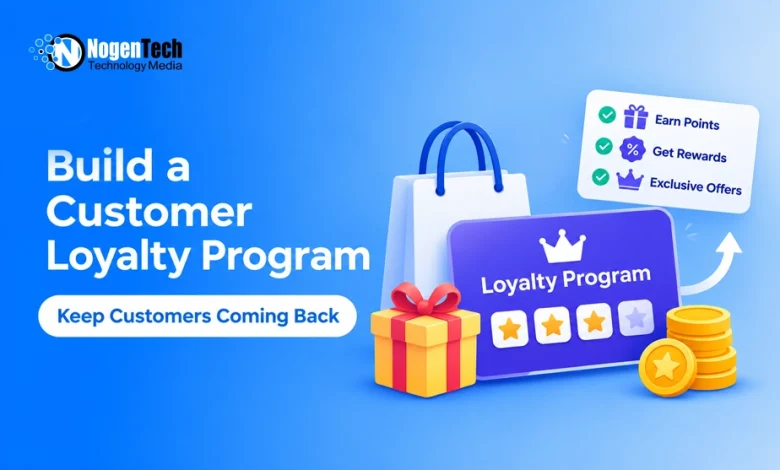
Every small business owner knows the feeling: a new customer walks in, buys something, and you never see them again. Acquiring new customers costs money, and advertising, delivery app fees, and promotions can quickly add up.
Retaining existing customers is often more cost-effective because regular customers already know and trust your business. That is why customer loyalty programs are no longer just for big chains.
In 2026, small businesses can run loyalty programs that are easy to join, offer achievable rewards, and integrate with their checkout systems. Here are seven practical ways to build a customer loyalty program that encourages repeat purchases and keeps customers coming back.
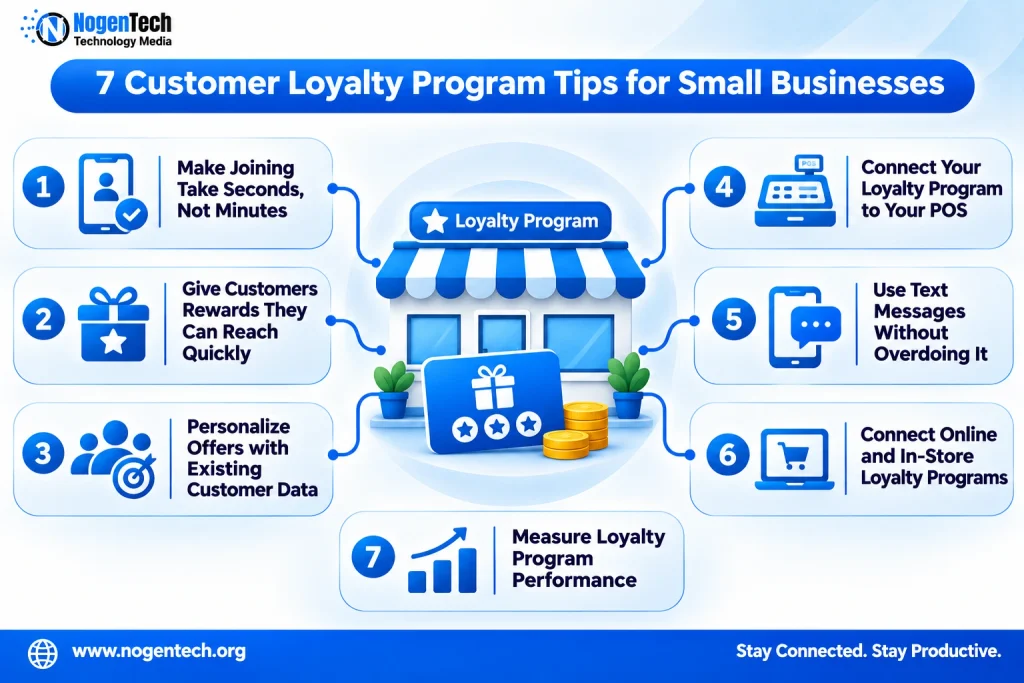
1. Make Joining Take Seconds, Not Minutes
A common reason loyalty programs fail is a complicated sign-up process. If customers have to fill out a long form, download an app, or create a password at the counter, they may decide not to join.
A simple loyalty program can ask for just a phone number. The cashier enters it, or the customer types it into a screen at checkout. There is no physical membership card to lose or app to download.
Pro Tip: Train your staff to invite customers to join at checkout. A short question like “Do you want to earn points on this purchase?” can be more effective than relying on a sign on the wall.
2. Give Customers Rewards They Can Reach Quickly
A program that offers a reward after $500 of spending may feel unrealistic for a customer who spends $10 per visit. Customers are more likely to stay motivated when they can see their progress toward a reward.
Effective loyalty reward options for small businesses include:
- Points-based rewards: Customers earn points per dollar spent and redeem them for discounts.
- Purchase-based rewards: Offer a “Buy 9, get the 10th free” deal for frequently purchased items like coffee, sandwiches, or snacks.
- Birthday rewards: Give customers a small discount or complimentary item on their birthday.
Start with one simple reward structure. You can introduce additional rewards as your program grows and you understand customer preferences.
3. Personalize Offers with Existing Customer Data
Small businesses have an advantage when it comes to understanding their regular customers. A loyalty program helps turn that knowledge into useful customer data.
When the program connects to your register, you can track what participating customers buy and how often they visit. Use this information to create relevant offers, such as:
- A discount on a customer’s favorite coffee rather than a random product.
- A “We miss you” offer for someone who used to visit weekly but hasn’t returned for a month.
- Early access to new products for your most loyal customers.
Personalized offers can feel more like good customer service than generic advertising. Collect and use customer information responsibly, and respect their privacy and communication preferences.
4. Connect Your Loyalty Program to Your POS
Standalone loyalty apps can create additional work when they do not integrate with the register. Staff may have to enter purchases twice, resulting in inconsistent records and unnecessary checkout delays.
With customer loyalty software that connects directly to the register, points can be added automatically at every sale, and rewards can be applied at checkout without extra steps. Business owners can also track loyalty results alongside daily sales reports.
If you are choosing new POS software, check whether it includes loyalty features or supports integration with your preferred loyalty platform.
5. Use Text Messages Without Overdoing It
Text messages offer a direct way to reach loyalty program members. A short message about a weekend deal or limited-time reward can encourage customers to return.
Follow these SMS marketing practices to keep messages useful rather than annoying:
- Get permission first: Only text customers who have agreed to receive marketing messages, and make it easy to opt out.
- Keep messages short: Focus on one clear offer per message.
- Limit message frequency: Start with one or two messages per month and adjust based on customer engagement.
- Choose the right time: Send relevant offers when customers are most likely to use them. For example, promote a lunch deal before lunchtime.
6. Connect Online and In-Store Loyalty Programs
Small businesses that sell online or through delivery apps should consider how customers earn and redeem rewards across different sales channels.
If customers earn points in-store but not on your website, the loyalty experience can feel inconsistent.
Whenever possible, use one loyalty program across all supported channels. Customers should be able to earn points on an online order and redeem them in-store, or the other way around.
A connected loyalty system also gives business owners a more complete view of customer purchasing behavior. However, third-party delivery platforms may have limitations on loyalty integrations.
7. Measure Loyalty Program Performance
A loyalty program should encourage repeat purchases and contribute to business growth. Reviewing its performance every month helps you understand whether the rewards and offers are working.
Track the following loyalty program metrics:
- Number of new loyalty program members
- Purchase frequency of members and non-members
- Average spending per visit
- Reward redemption rate
If customers join but rarely redeem their rewards, the rewards may be too difficult to reach. If members are not visiting more frequently, review the relevance of your offers and reward structure.
Make small changes, test them individually, and compare the results before making further adjustments.
Common Customer Loyalty Program Mistakes to Avoid
Even a well-designed loyalty program can struggle if it becomes difficult to manage or fails to offer meaningful rewards. Avoid these common mistakes:
- Too many rules: If your staff cannot explain the program in one sentence, it may be too complicated.
- Expensive rewards: Start with affordable rewards that encourage repeat purchases without reducing profit margins excessively.
- Poor promotion: Mention your loyalty program at checkout, on receipts, on your website, and across social media channels.
- Ignoring customer data: Use the information collected through your program to understand purchasing habits and improve future offers.
Conclusively, Building Customer Loyalty That Lasts
A customer loyalty program does not need to be complicated to work. For small businesses in 2026, the formula is simple: make it easy to join, offer achievable rewards, personalize offers, and connect the program to your checkout system.
Start with a reward structure that suits your customers and budget. Monitor its performance and make adjustments based on customer behavior to encourage repeat purchases and build lasting customer relationships.