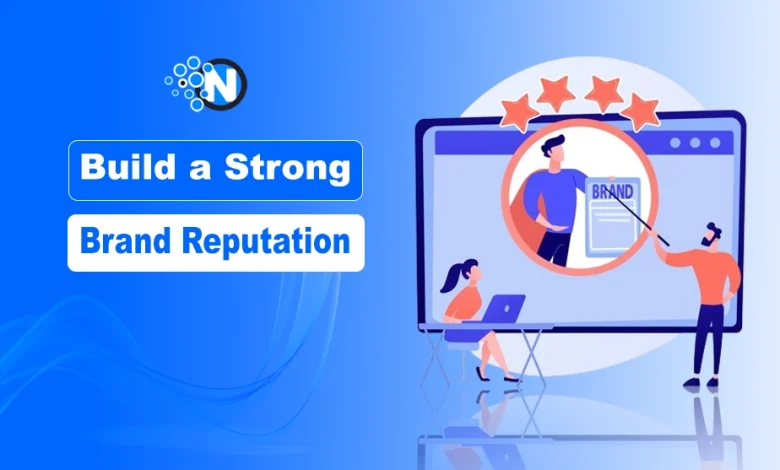
In 2025, your brand’s reputation on Google is often the first, and sometimes only, impression people get of you. Every search result, Google Business Profile, Google reviews, and featured snippet shapes how potential customers perceive the brand.
Over the years, I’ve noticed that even small inconsistencies, like an outdated profile or a negative review left unaddressed, can quietly damage trust and impact public decisions. That’s why I’ve created this guide to walk you through proven strategies I’ve used to build a strong, trustworthy brand presence on Google.
So, Let’s Get Started!
What is Brand Reputation?
Brand reputation is the public’s overall perception of a brand based on experiences, reviews, trust, and how consistently it delivers on its promises across all touchpoints.
A Clearer Breakdown:
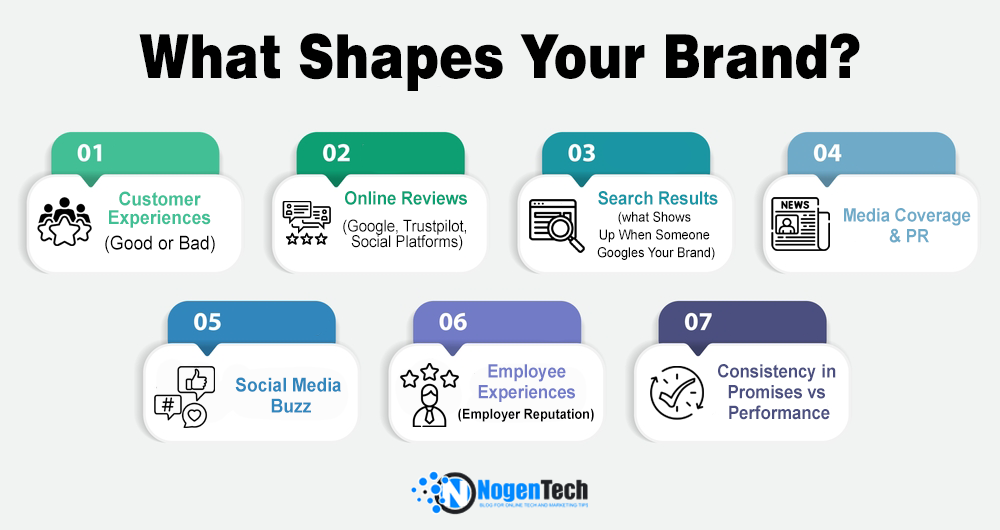
Brand reputation is shaped by:
- Customer experiences (good or bad)
- Online reviews (Google Reviews, Trustpilot, social platforms)
- Search results (what shows up when someone Googles your brand)
- Media coverage & PR
- Social media buzz
- Employee experiences (employer reputation)
- Consistency in promises vs performance
Why Reputation on Google Matters (Short Answer)
Google dominates the search industry with a 90.06% market share, highlighting its massive reach and influence. Your brand’s reputation is often first seen through Google searches, making it crucial to strengthen your presence on the platform.
The chart below illustrates the global search engine market share for 2024–2025.
Global Search Engine Market Share (2024–2025)
Source: StatCounter Global Stats – Search Engine Market Share
A strong brand reputation will reward you with three main benefits: scale, social proof, and Trust. Here is the breakdown:
- Scale: Google controls the majority of search traffic, so being visible there exposes you to the largest pool of prospects.
- Social proof lives on Google: Google Business Profiles, star ratings, and review snippets are often the social proof users see before visiting your site. Managing these purchase decisions.
- Trust is strategic: Consumers now expect brands to act responsibly and transparently, trust influences purchase choices, and brand loyalty.
“Authenticity, responsiveness, and clear action build trust, not just purpose statements!”
Proven Tips to Build a Brand Reputation on Google
Here are some strategies for building, improving, and maintaining a strong brand reputation to win more customers and sales.
1. Develop a Clear Brand Identity (Google Business Profile)
Your Google Business Profile (formerly GMB) is often the single-most visible card in Google Search and Maps results. Complete it with working hours, photos, services, product lists, and a short, keyword-friendly description to make it more visible to massive audiences.
Profiles with complete information are more likely to appear in top local results and get clicks.
Quick checklist:
- Claim and verify your profile.
- Fill every field (business hours, description, services, attributes).
- Upload 10–20 high-quality photos (logo, storefront, team, products).
- Use Posts and Products to keep the profile fresh.
- Add service-area and appointment options if relevant.
2. Actively Manage Reviews
Google houses a dominant share of customer reviews, and consumers rely on those reviews to make data-driven decisions. Encourage happy customers to leave reviews, respond quickly (both to praise and to complaints), and never delete negative feedback, but address it publicly and constructively.
This demonstrates transparency, which helps you earn trust from both future searchers and UGC creators.
Tactics that work:
- Ask for reviews at peak satisfaction moments (after purchase, delivery, or successful support).
- Automate polite review requests (SMS or email) but don’t incentivize with rewards that violate platform rules.
- Respond within 24–48 hours; thank positive reviewers and offer solutions for negative feedback.
- Use review snippets as testimonials on your website and in schema markup to increase rich results visibility.
3. Create Search-first Content That Answers Intent
Google increasingly surfaces quick answers (featured snippets, People Also Ask). Structure content to match query intent: short definitions followed by longer explanations, clear H2/H3 question headings, and easy bullets so Google can lift precise answers.
You can use the FAQ schema for Q&A pages because it helps Google present your content directly in search on Zero Positions.
Example approach:
- FAQ pages for common queries and FAQ schema.
- “How-to” pages with numbered steps and a short 40–60 word summary at the top (snippet-friendly).
- Local landing pages for each physical location with NAP (name, address, phone) and unique content.
“Customers are more likely to revisit and recommend businesses that offer instant and efficient customer service!”
–Fawad Malik, CEO at WebTech Solutions
4. Build Authority with Consistent, Helpful Backlinks and Brand Signals
Earning high-quality mentions from credible outlets, like trade press, industry blogs, and recognized magazines, remains a major trust signal for Google’s algorithms and for human readers. Aim for a mix of brand mentions that include a link back, branded searches, and author pages that tie content to known experts.
Forbes and other reputable outlets: being cited, featured, or ranked by well-known publishers (Forbes lists, major trade journals) increases both SEO authority and perceived trustworthiness among users. Cite or aim for coverage in such outlets as part of a long-term reputation strategy.
Example: NoGenTech has received a premium mention from Forbes. Their story and actionable strategies are featured in How to Get Backlinks From Big News Sites With $0 Spending.
5. Use Data Transparency and Social Responsibility to Build Emotional Trust
Modern customers expect brands to act responsibly and be transparent. That means publishing clear privacy policies, sustainability or social-impact pages, and transparent customer policies (returns, dispute resolution).
When Google surfaces your brand, users should see consistency between search snippets, your website, and third-party mentions.
Practical steps:
- Publish an annual “Brand Trust and Impact” page summarizing customer support metrics, sustainability progress, or community programs.
- Use press pages to aggregate official statements, awards, and coverage (Forbes mentions, industry awards).
- Ensure all public statements are mirrored on your site and on authoritative third-party pages to avoid contradiction in search results.
6. Monitor SERP Reputation and React Fast to Misinformation
Misinformation often damages your brand’s reputation and builds the wrong perception in your targeted audience’s minds. Set up Google Alerts, and other professional brand reputation monitoring tools, and weekly checks for the first page results of your brand name.
If false or damaging content appears:
- Prioritize takedown requests for defamation or illegal content.
- Publish corrective content (owning top SERP spots with positive official content reduces the visibility of harmful pages).
- Use press releases and authoritative partners to push corrective narratives into the index.
7. Local SEO Matters: “Near Me” Intent Converts Fast
Local search intent is strong: a large share of Google searches have local intent, and users searching with local intent often become customers quickly. Optimize for local keywords, maintain consistent citations (directories), and encourage local backlinks (business associations, local press).
Tips to strengthen your local presence:
- Use local keywords: Include city, neighborhood, or region in page titles, meta descriptions, headings, and content. Example: “Tech Gifts for Your Friend in New Rochelle.”
- Encourage local reviews: Ask customers to leave reviews on Google and other local platforms, and respond to each review promptly.
- Build local backlinks: Get featured in local news, blogs, or business directories to strengthen authority in your area.
- Create location-specific pages: For businesses with multiple locations, have separate pages with unique content for each area, including NAP and map embed.
8. Technical Hygiene: Speed, Security, and Structured Data
Google rewards sites that load fast and are mobile-friendly, as 60% searches come from smartphones. Use HTTPS, compress images in WebP, implement lazy loading, and deploy structured data (Organization, LocalBusiness, Product, Review schemas) to communicate trust signals directly to Google.
What to do:
- Ensure mobile responsiveness: Design for mobile-first users and test across devices to provide a seamless experience.
- Use HTTPS everywhere: Secure your website with SSL to protect user data and signal trust to Google.
- Implement structured data: Add schema markup (Organization, LocalBusiness, Product, Review) to help Google understand your content and display rich results.
- Regular technical audits: Monitor Core Web Vitals, fix broken links, ensure proper indexing, and maintain XML sitemaps for smooth crawling.

Slow sites lose visitors, conversions, and revenue. Nogentech optimizes your site for faster load times, better SEO, and smoother user experience.
Final Thoughts on Brand Reputation
A strong brand reputation on Google in 2025 is not a one-time project. It’s a daily routine (reviews, GBP, content freshness), combined with strategic investments (PR, data-led stories, technical SEO).
It starts by securing the fundamentals, creating content that answers real search intent, and earning third-party validation. Over time, you’ll control more of the SERP narrative, and that control is the most resilient reputation insurance you can buy.
People Also Ask
How fast should I respond to Google reviews?
Respond to all reviews within 24–48 hours to show responsiveness and build trust with both customers and search engines.
Can I remove negative reviews from Google?
Only if they violate Google’s policies (spam, fake, or illegal content). Otherwise, respond constructively to demonstrate transparency.
Do backlinks affect brand reputation?
Yes, mentions and links from authoritative websites increase trust and improve Google search visibility, strengthening your reputation.
Can voice search improve my brand visibility?
Absolutely, optimized FAQ content with concise answers increases the chances your brand appears in voice search results on devices like Google Assistant and Siri.