Apple Plans Privacy-First Smart Glasses for 2027, Taking Direct Aim at Meta
Apple is preparing to unveil its first smart glasses at WWDC 2027, with privacy protections positioned as the product's central selling point against Meta's camera-equipped Ray-Ban glasses.

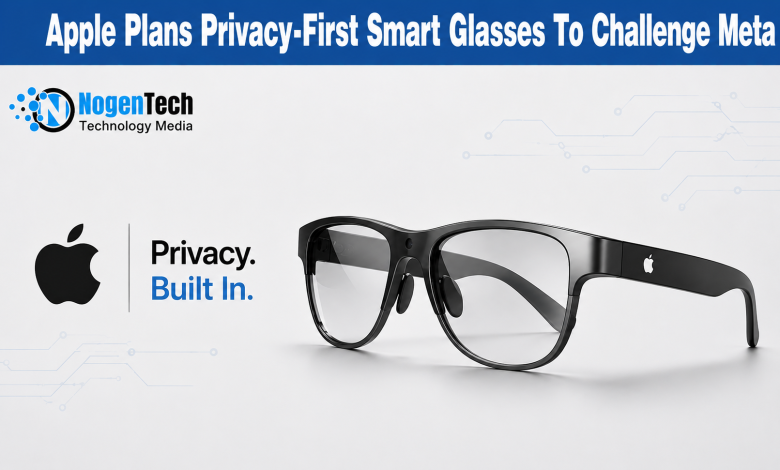
Bloomberg’s Mark Gurman reported that Apple intends to unveil its long-rumored smart glasses at next year’s Worldwide Developers Conference, with privacy serving as a defining feature rather than an afterthought.
The move comes as camera-equipped wearables from Meta have drawn sustained criticism over covert recording, giving Apple an opening to differentiate a product category so far dominated by a single well-known rival.
Apple Weighs Cameras Against a Camera-Free Design
MacRumors reported that Apple is prototyping a slew of new hardware and software-related privacy features that don’t exist on any of its current products, though Gurman offered no specifics on what those features might look like.
The company has reportedly gone as far as considering glasses that support AI features without any photo or video recording at all, and has even built prototypes with no camera system whatsoever.
Still, MacRumors noted that the most probable outcome remains a version with cameras attached, just paired with the kind of privacy safeguards Apple has built its brand around.
Like Meta’s Ray-Ban glasses, which have recently curbed the LED tampering, Apple’s version is expected to include speakers and microphones for calls, music, and Siri AI notifications, keeping the core hardware format familiar even as the privacy approach diverges.
Apple’s Timeline Shifts to Make Room for Both Hardware and Messaging
TechCrunch reported that Gurman’s account shows Apple pushing its launch target back from an earlier 2027 date to specifically the June WWDC unveiling, with the product reaching customers by year’s end.
That shift, TechCrunch suggested, gives Apple more room to work not just on the glasses themselves but on how it communicates their privacy protections to a skeptical public.
Reported features under consideration include on-device processing rather than cloud-based analysis, along with the deliberate absence of facial recognition capability, for which Meta has faced strict regulatory backlash.
TechCrunch also noted that Apple will likely avoid training AI models on customer recordings and is unlikely to mirror what it described as Meta’s reported practice of using contractors to review footage captured by its glasses.
The Meta Comparison Apple Can’t Avoid
Reports note that critics had at times labeled Meta’s smart glasses “pervert glasses” following reports they were used to record people without consent.
MacRumors said Apple is expected to emphasize privacy over rivals like Meta Ray-Bans, making it a central part of its marketing.
That promise will be tested as Apple’s camera-equipped glasses expand the company’s privacy commitments beyond the iPhone and Mac lineup.
Whether Apple’s privacy-focused approach can change public perception of camera glasses remains uncertain until the product reaches consumers alongside Meta’s established lineup.
Source: Apple’s Smart Glasses Will Need to Overcome Meta’s Privacy Reputation