Meta Smart Glasses Face Heavy Privacy Backlash From ACLU Coalition
A massive coalition of advocacy groups demands that Meta halt facial recognition.

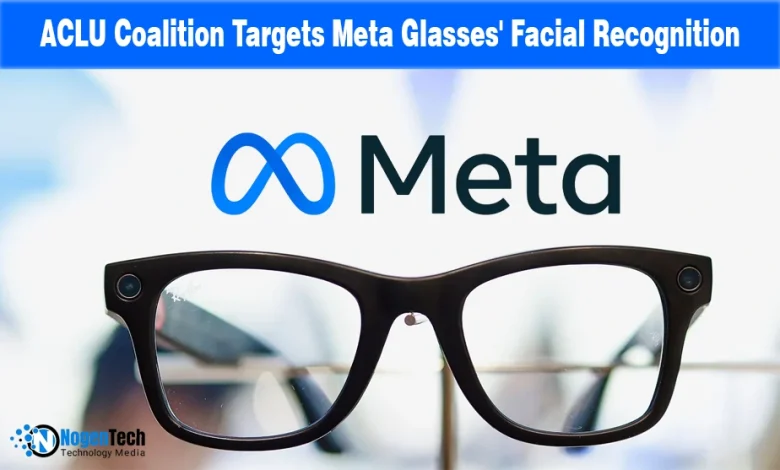
On April 14, 2026, the American Civil Liberties Union (ACLU) and a coalition of 75 organizations issued an urgent demand for Meta to immediately abandon plans to integrate facial recognition into its wearable technology.
The group, which includes advocates for domestic violence survivors and civil rights, argues that equipping Ray-Ban and Oakley smart glasses with “name tag” capabilities creates a “dystopian” surveillance risk.
This collective action follows leaked internal documents suggesting Meta intended to deploy these features while civil society resources were diverted to political distractions. The group demands a public rejection of biometric development for all Meta eyewear products.
ACLU Coalition Opposes Meta Biometric Integration
The primary friction point involves a proposed software update that would allow Meta’s smart glasses to identify strangers in real-time.
According to the official ACLU press release, the technology would enable wearers to secretly match faces against social media databases, effectively stripping away public anonymity.
The coalition, which reportedly includes groups like Fight for the Future and the Electronic Privacy Information Center (EPIC), asserts that this “name tag” feature transforms a consumer accessory into a professional-grade surveillance tool.
The letter specifically urges Meta CEO Mark Zuckerberg to halt any biometric scanning development for the Ray-Ban Meta line, citing a lack of meaningful public consent.
Advocates argue that once this capability is released, the “genie cannot be put back in the bottle,” permanently altering how people interact and perceive privacy within the smart wearables ecosystem.
Privacy Risks Fuel Smart Glasses Controversy
The urgency behind the protest comes from concerns about misuse in sensitive public spaces where anonymity is essential for safety. ACLU notes that identifying people in places like medical clinics, protests, or public transit could enable new levels of stalking and harassment.
The report also points out that because the glasses are designed to look like regular eyewear, bystanders would have no clear way of knowing if their identity is being scanned against Meta’s large data systems.
This lack of transparency is further reinforced by a Swedish newspaper investigation, cited by Engadget, which found that human contractors had previously reviewed sensitive footage captured by the glasses.
The coalition argues that Meta’s design prioritizes user convenience over public safety and constitutional rights, effectively creating a constant “surveillance gaze” in everyday life.
Advocacy Groups Condemn Meta Surveillance Strategy
Industry reactions say Meta is crossing an ethical “red line” that society may not be able to reverse without serious consequences for civil liberties.
Kade Crockford, a director at the ACLU of Massachusetts, described the technology as a “massive invasion of privacy” that could empower both stalkers and government surveillance.
EPIC has also urged the Federal Trade Commission to investigate Meta’s data practices, arguing that its history of privacy settlements makes it an unreliable steward of real-time biometric data.
The coalition’s pressure is building as more groups recognize that facial recognition in glasses is not just a feature but a major shift in privacy norms.
The group insists that Meta’s “privacy by design” claims fall short when the hardware itself enables non-consensual identification of every face the wearer sees.
Civil Liberties Impact Future Wearable Regulation
Looking ahead, the tension between wearable AI and privacy law is expected to intensify as lawmakers respond to the coalition’s concerns.
The ACLU of Massachusetts is supporting the Massachusetts Consumer Data Privacy Act, which would ban the collection of biometric data through consumer wearables without clear opt-in consent from all individuals involved.
This regulatory push gains urgency as Apple accelerates its own smart glasses development, potentially standardizing how the industry handles biometric data.
While Meta says the glasses are “designed for privacy,” the Information Commissioner’s Office has asked for evidence that they comply with global data protection laws and adequately protect bystanders.
The coalition’s letter serves as a warning that the tech industry may no longer tolerate “move fast and break things” when it comes to the fundamental right to remain anonymous in public.
Source: ACLU and 75 Organizations Sound Alarm on Meta’s Plan