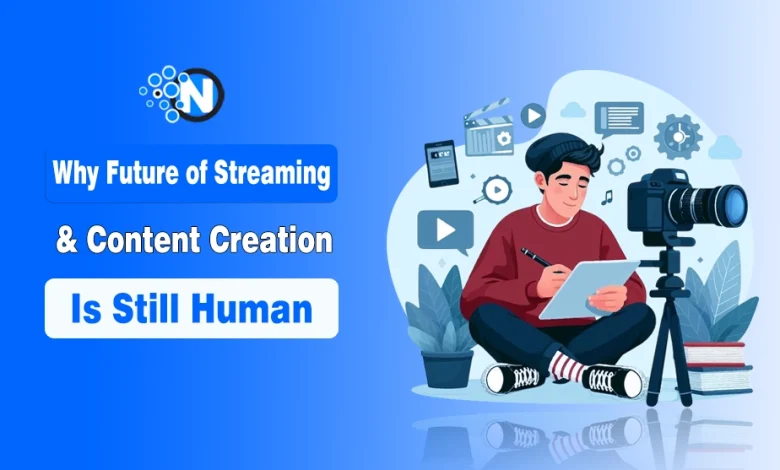
- AI is transforming content creation, but it is not replacing human creativity.
- Modern creators can now handle research, editing, and production faster using AI tools.
- The strongest content comes from a balance between human storytelling and machine efficiency.
- AI removes technical barriers, allowing creators to focus more on emotion, storytelling, and ideas.
- Human perspective remains essential because only humans create meaning, not algorithms.
The world of digital media is moving faster than most of us can keep up with. Honestly, I find myself blinking at a new headline every other day and wondering how we got here so fast.
We’re currently witnessing a massive shift in how stories are told and how entertainment is delivered. At the heart of this change is artificial intelligence. It isn’t just a futuristic concept anymore. It’s the engine driving the modern content ecosystem.
And that’s the reality we live in now.
From the way a writer outlines a script to the way a streaming platform knows exactly what you want to watch on a rainy Tuesday night, technology is reshaping the landscape. This transformation is deep, and it’s permanent. But have you ever stopped to wonder if we are losing the “magic” in the process of making everything so efficient? I guess it’s a trade-off we’re all still figuring out.
In this blog post, you will learn why the future of streaming and content creation lies somewhere in the balance between technology and human imagination.
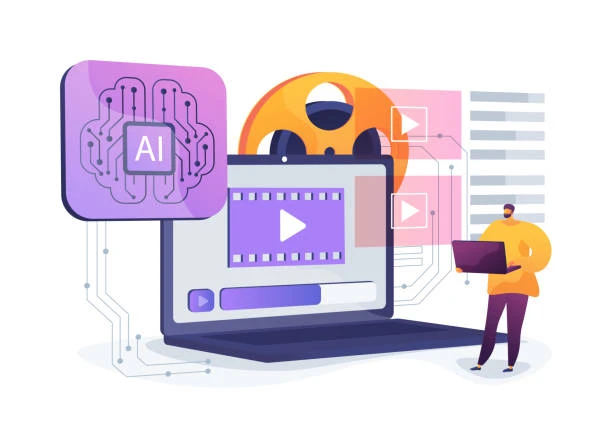
A New Era for Content Creators
For a long time, the barrier to high-quality production was high. You needed expensive equipment and massive teams. Today, a single creator can do what once required an entire studio.
AI-powered tools and modern creative platforms now assist with:
- Research and topic discovery in seconds
- Script outlining and ideation
- Video editing and enhancement
- Audio cleanup and transcription
- Content repurposing across platforms
When we talk about content creation, we often think of the final product. But the real change starts much earlier. Research that used to take days now takes minutes. I remember spending hours scrolling through archives just for one lead.
Now? It’s just there. Brainstorming sessions are boosted by algorithms that can suggest structural outlines or highlight trending topics.
So, does this make the creator more powerful, or just faster?
This allows creators to focus on the “why” of their work rather than getting bogged down in the “how.” It’s about efficiency, but it’s also about expanding the boundaries of what’s actually possible. You know, it’s that feeling of having a hundred ideas at once and finally having the hands to build them.
The Impact on Production Logistics – From Technical Work to Creative Focus
Beyond the creative side, the logistics of production are seeing a massive overhaul. Editing is a prime example. Tasks like color grading, noise reduction, and even basic assembly are being handled by intelligent software.
An auto caption generator can now transcribe hours of dialogue in seconds. This makes content accessible to global audiences and those with hearing impairments without the grueling manual labor of the past. It frees up editors so they can focus on the narrative flow and the emotional beats of a scene.
But what happens when the technical struggle is gone entirely?
In the world of streaming, the delivery of content is also being optimized. Bandwidth management and video compression are being handled by systems that ensure the best possible quality regardless of your internet speed. This technical backend is invisible to the viewer, but it’s essential for a seamless experience. It ensures that the story remains the focus, not the loading bar.
Streaming Beyond the Algorithm
Streaming services have already changed the way we consume media, but the next phase is even more personal. We’re moving away from broad categories and toward hyper-individualized experiences. The recommendation engines we interact with every day are becoming much more sophisticated.
They’re learning to understand context. They don’t just see that you liked a specific movie. They understand the mood, the pacing, and the themes that really resonate with you.
This shift affects more than just your watch list. It influences what gets produced in the first place. Data provides a map of what audiences are actually craving.
It’s a strange thought.
When streaming platforms greenlight new projects, they’re using insights to minimize risk. While some worry this might lead to predictable content, it actually allows for the discovery of niche stories that might’ve been ignored by traditional gatekeepers. If an algorithm knows there are ten thousand people dying for a specific type of documentary, isn’t that a win for the filmmaker? And that’s the point. It’s finding the “us” in the data.
The Balance Between Human Creativity and Machine Intelligence
There’s a common fear that automation will strip the soul out of art. Maybe that’s true if we let it. However, history shows that every technological leap has eventually empowered human expression. The camera didn’t kill painting. Synthesizers didn’t kill live music. Instead, they provided new languages for creators to speak.
In the current landscape, the most successful content is the stuff that maintains a human core while leveraging technical speed. The human element provides the empathy and the unique perspective that an algorithm just can’t replicate.
The machine provides the scale and the precision. When these two forces work in harmony, the result is content that’s both high quality and deeply resonant. It’s like the hum of the laptop at midnight. The machine is running, but the person is the one with the vision.
Looking Toward the Future of Content
We’re only at the beginning of this journey. As these technologies continue to evolve, we’re going to see even more immersive forms of content. Interactive storytelling where the viewer influences the plot in real time is becoming more viable. The line between gaming and traditional viewing is starting to blur.
The future of content creation and streaming isn’t about the replacement of humans. It’s about the enhancement of human potential. It’s about giving every person with a story the tools to tell it and every viewer the ability to find the content that speaks to them. It’s an exciting time to be a creator, and it’s an even better time to be a fan. Honestly, I can’t wait to see what we build next.