- SaaS (Software as a Service) is a cloud-based model where software is accessed online instead of installed locally.
- Users typically pay a subscription (monthly or yearly) instead of a large upfront cost.
- It allows access from anywhere, making it ideal for remote and hybrid work environments.
- SaaS reduces technical burden since no installation or maintenance is required by users.
- It plays a major role in digital transformation across industries like healthcare, education, and e-commerce.
- The SaaS market is rapidly growing, making it a core part of modern business operations.
The global SaaS market is set to exceed $250 billion and is projected to reach $1.25 trillion by early 2034, with 95 % of organizations already using SaaS for critical operations.
This rapid adoption highlights how Software as a Service (SaaS) is no longer optional, but it’s a core component of modern business operations. At its core, SaaS delivers software over the internet, which eliminates the need for complex installations, costly hardware, or ongoing maintenance.
From collaboration tools like Slack to customer management platforms like Salesforce, SaaS solutions empower teams to work smarter, scale faster, and innovate without being limited by technology infrastructure.
For businesses of all sizes, understanding SaaS is essential. It’s not just about convenience, but it’s about efficiency, agility, and staying competitive in a cloud-first world.
In this guide, I’ll break down what SaaS is, how it works, the benefits it offers, and why it’s transforming industries across the globe.
What is SaaS?
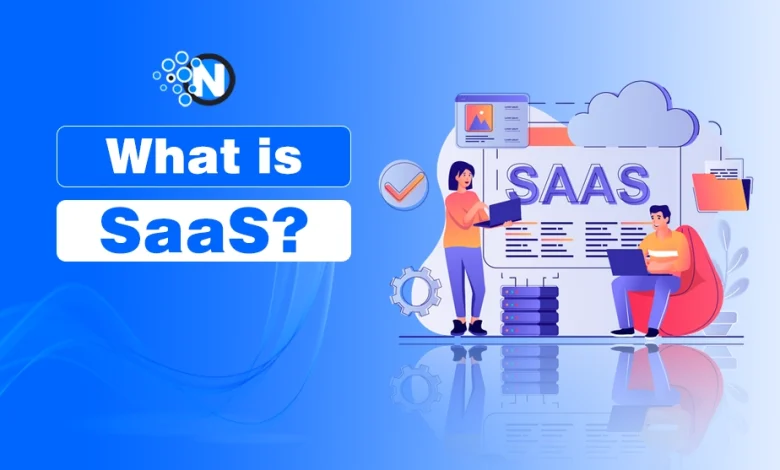
SaaS (Software as a Service) is a cloud-based software delivery model where applications are hosted online and accessed through the internet instead of being installed on individual computers or servers.
In simple terms, you use SaaS software through a web browser instead of installing it on your computer. The software provider hosts the application on secure cloud servers and handles everything behind the scenes.
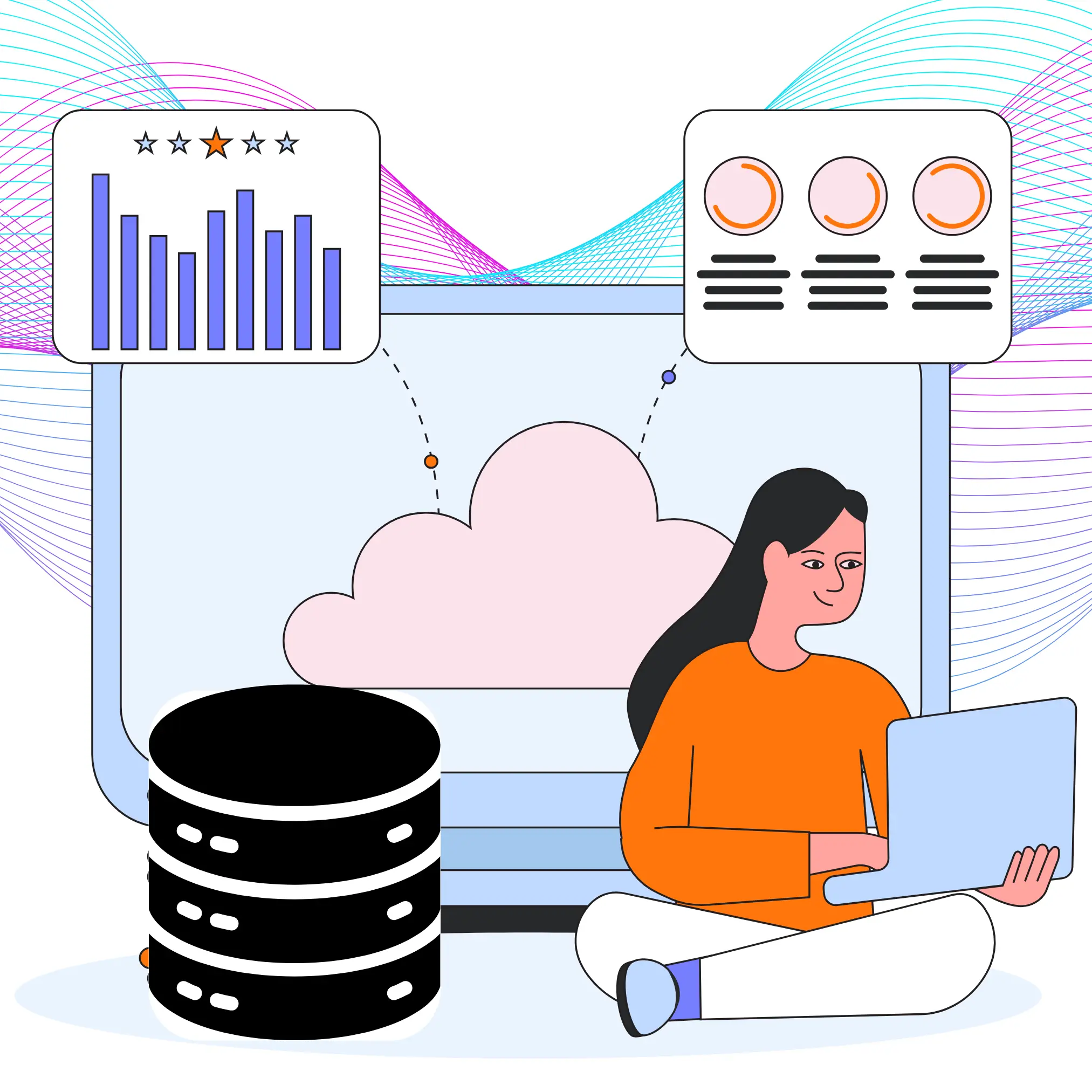
This means users always access the latest version of the software without worrying about technical setup, downtime, or manual upgrades. This is what allows businesses and individuals to focus entirely on using the tool rather than managing it for their purposes.
Common SaaS Examples You Use in Daily Life
- Google Workspace – email, docs, and collaboration
- Salesforce – customer relationship management (CRM)
- Slack – team communication
- Zoom – video conferencing
How Does SaaS Work?
SaaS applications run on cloud servers managed by the software vendor. Users access the platform via the internet, typically through a browser or a lightweight app. Think of SaaS like watching Netflix. You don’t download movies to your computer or manage servers; you just log in and start watching.
Similarly, with tools like Google Workspace, you simply sign in online to use apps like Docs or Sheets without installing anything locally.
Here’s how the SaaS model works step by step:
1. Subscription-Based Access
Instead of paying a large amount upfront to buy software, users pay a monthly or yearly subscription. This makes SaaS affordable and flexible, especially for small businesses and individuals. You can usually cancel, upgrade, or downgrade your plan anytime.
2. Cloud Hosting
The software company stores the application and your data on secure cloud servers. These servers are designed to handle large numbers of users at once and can grow as demand increases. You don’t need to worry about storage, backups, or system crashes; the provider manages it all.
3. Automatic Updates
With traditional software, users had to manually install updates or buy new versions. With SaaS, updates happen automatically in the background. New features, performance improvements, and security fixes are added without interrupting your work, so you’re always using the latest version.
4. Anywhere Access
Because SaaS runs online, you can access it from anywhere in the world using a phone, tablet, laptop, or desktop computer. Whether you’re working from home, the office, or traveling, your tools and data are always available as long as you have an internet connection.
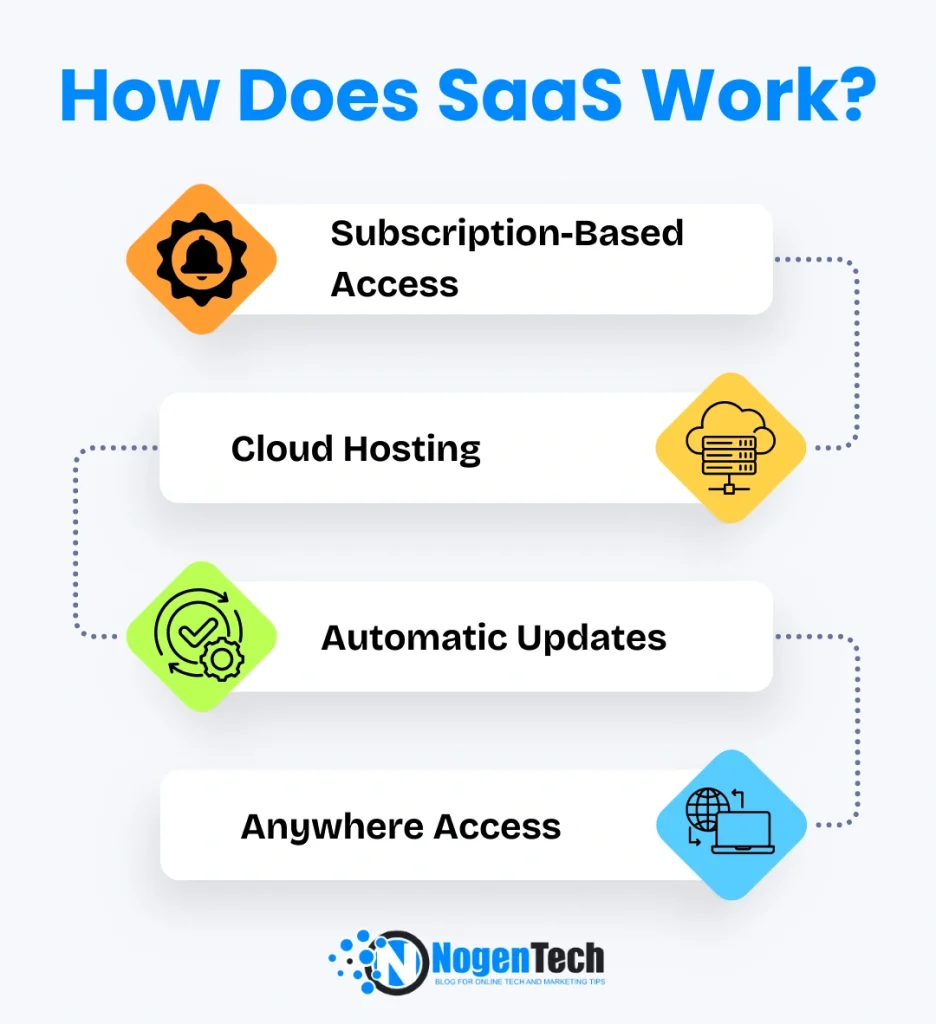
This model eliminates the complexity of software management while ensuring reliability and performance.
Key Benefits of SaaS (Explained Simply)
SaaS has become so popular because it removes many of the problems people face with traditional software.
Here’s how it helps businesses and everyday users in practical ways:
1. Lower Costs and Easy Pricing
Traditional software often requires a large upfront payment, powerful computers, and an IT staff to manage everything. With SaaS, you only pay a small monthly or yearly fee. There’s no need to buy expensive hardware or worry about installation costs.
This makes SaaS especially helpful for startups, small businesses, and freelancers with limited budgets.
2. No Technical Hassle
With SaaS, users don’t need technical knowledge to keep the software running. The provider handles maintenance, updates, security, and system fixes. If something breaks, it’s not your problem, because the service provider takes care of it.
This saves time and reduces stress for non-technical users, which allows them to get the most out of SaaS.
3. Easy to Scale as You Grow
As your business grows, your software needs change. SaaS allows you to add or remove users, storage, or features instantly. You don’t need to buy new servers or reinstall anything. This flexibility makes SaaS ideal for fast-growing businesses.
4. Faster Setup and Immediate Use
Most SaaS tools can be used within minutes. You sign up, log in, and start working right away without stressing out about the software updates. There’s no long setup process or complicated installation, which means quicker results and better productivity.
5. Access From Anywhere
Since SaaS works over the internet, you can use it from any device, anywhere in the world. This supports remote work, flexible schedules, and global teams. Your data stays synced, so everyone sees the same information in real time.
6. Better Team Collaboration
Many SaaS tools are built for teamwork. Multiple users can work on the same files, projects, or dashboards at the same time, which is the best way for collaboration. This improves communication, reduces mistakes, and keeps everyone aligned with the given task.
7. Automatic Security and Data Backup
SaaS providers invest heavily in security, encryption, and regular data backups. Your data is protected even if your device is lost or damaged. For most businesses, this level of security would be difficult and expensive to manage on their own.
Why SaaS Is Transforming Industries Globally
SaaS is not just changing how software is delivered, but it is changing how entire industries work. By removing technical barriers and lowering costs, SaaS allows organizations of all sizes to use powerful digital tools that were once only available to large enterprises.
1. Businesses Can Operate Faster and Smarter
In the past, companies needed large IT teams and expensive systems to run operations. SaaS removes this complexity. Businesses can quickly adopt tools for customer management, accounting, communication, marketing, and analytics without building their own infrastructure.
This leads to faster decision-making, improved efficiency, and better customer experiences that work as a customer retention strategy.
2. Small Businesses and Startups Can Compete Globally
One of the biggest impacts of SaaS is that it levels the playing field. Small businesses can now access the same high-quality tools used by large corporations without huge investments. This allows startups to scale faster, reach global audiences, and compete with established brands.
3. Remote and Hybrid Work is Now Possible
SaaS has made remote work practical and reliable. Since software and data are accessible online, teams can work from different cities or countries while staying connected. Tools for communication, file sharing, and project management enable flexible work environments, which are now standard across many industries.
4. Healthcare Becomes More Accessible and Efficient
In healthcare, SaaS helps manage patient records, appointments, billing, and telemedicine services. Doctors and healthcare providers can securely access patient data from anywhere, which improves response times and patient care while reducing paperwork and operational costs.
5. Education Reaches More People
SaaS platforms power online learning, virtual classrooms, and digital collaboration. Schools, universities, and training centers can deliver education to students regardless of location. This has expanded access to learning and supported lifelong education across the globe.
6. Retail and E-Commerce Grow Faster
Online stores rely on SaaS for website hosting, inventory management, payments, and customer support. Businesses can launch stores quickly, track customer behavior, and personalize shopping experiences, all without managing technical systems.
The Future of SaaS: What’s Next and Why It Matters
The SaaS industry is far from slowing down. In fact, it’s entering one of its most dynamic growth phases yet, driven by cloud adoption, automation, and intelligent software features.
Worldwide SaaS revenue continues to expand, and projections show this trend accelerating in the coming decade.
Massive Market Growth Ahead
Experts estimate that the global SaaS market will grow from around $399 billion in 2024 to more than $819 billion by 2030, nearly doubling in size over six years. This reflects a steady annual growth rate of about 12% as more businesses shift to cloud-delivered software.
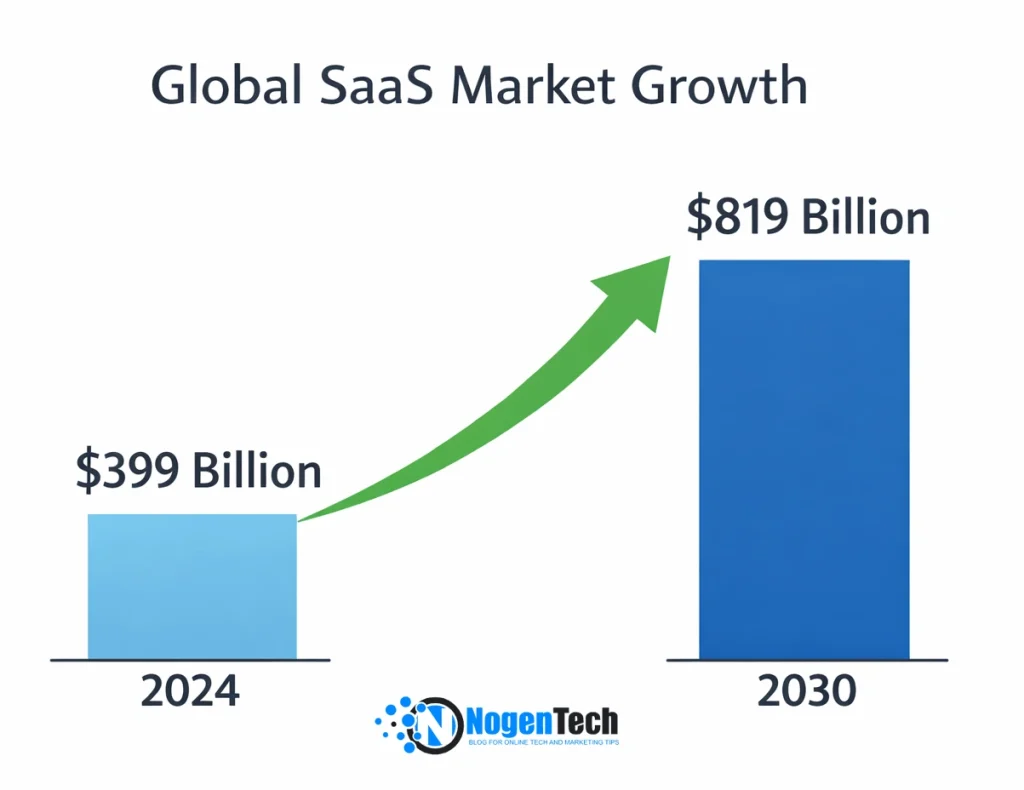
Other forecasts are even more optimistic, suggesting the SaaS market could even surpass $1 trillion before the mid-2030s as subscription-based services become the dominant model for business software.
This isn’t just numbers on a chart, but it shows that companies worldwide are increasingly ditching traditional software installs in favor of SaaS tools they can access anywhere, with lower cost and less technical overhead.
Cloud and AI are Driving the Next Phase
A major reason for this growth is the rise of cloud-native strategies and AI integration. Around 95% of organizations are expected to use AI-powered SaaS applications by 2025, meaning intelligent automation, predictive insights, and personalized experiences are becoming standard features in business tools. (Source Hostinger)
Compared to older software, SaaS platforms are much easier to update, and as vendors rapidly add AI features, tools become smarter and more capable, which helps businesses automate routine tasks, analyze data faster, and make better decisions.
More Specialized and Industry-Focused Solutions
Another trend shaping the future of SaaS is vertical specialization, which means SaaS that’s built for specific industries. Instead of generic tools, companies are creating software tailored for healthcare, retail, finance, logistics, education, and more.
This shift helps businesses solve real problems faster because the software understands their industry needs. As SaaS becomes more “embedded” into daily operations, it increasingly influences everything from customer service workflows to product development cycles.
Broader Global Adoption
While North America remains a major hub for SaaS revenue, regions like Asia-Pacific are among the fastest-growing markets, with digital transformation accelerating cloud adoption in countries including India, Southeast Asia, and China.
This global footprint means SaaS is not just a tool for Silicon Valley companies; it’s powering businesses in every major economy and industry.
What This Means for Users and Businesses
For everyday users and organizations, the future of SaaS means:
- Smarter Tools: With AI baked into workflows, software won’t just respond to commands; it will help predict needs, automate tasks, and deliver insights.
- Greater Flexibility: With cloud-native systems, users can work from anywhere, from offices, homes, or even while traveling, without losing access to critical systems.
- More Innovation: Because SaaS providers update their systems frequently and automatically, users always benefit from the latest features and security protections without manual upgrades.
- Lower Barriers for Startups: New SaaS businesses can launch faster and scale with lower upfront costs, opening opportunities for startups and innovators worldwide.
Final Thoughts on Software as a Service
Software as a Service (SaaS) has completely changed the way we access and use software. By delivering applications over the internet, SaaS removes technical barriers, lowers costs, and makes powerful tools accessible to businesses and individuals of all sizes.
The benefits are clear: flexibility, scalability, real-time collaboration, automatic updates, and stronger security. SaaS also fuels innovation, which allows companies to experiment with new solutions and integrate advanced technologies like Artificial Intelligence without heavy investment.
People Also Ask about SaaS
SaaS means Software as a Service. It’s a cloud-based model where software is delivered over the internet on a subscription basis instead of being installed locally.
Traditional software requires installation on individual devices and often involves large upfront costs. SaaS, on the other hand, is accessed via a web browser, requires no installation, and is usually billed monthly or annually.
Saas examples include Google Workspace, Microsoft 365, Salesforce, Zoom, Netflix, and Spotify. These services are widely used across industries for productivity, communication, and entertainment.
An online platform where users access cloud-hosted software directly through a browser, usually with login and subscription features.
A company that develops and sells software delivered over the internet, typically using a subscription-based revenue model.