Ever spent more time choosing a game than actually playing one?
Imagine opening a gaming platform with hundreds of titles. Within seconds, game artwork, icons, color palettes, and interface design shape which games catch your attention even before you read a description. That’s why visual design is essential to game discovery, not just aesthetics.
A well-designed platform makes browsing easier by offering:
- Organized game libraries with clear categories
- Consistent visual themes and recognizable artwork
- Intuitive navigation that reduces decision fatigue
- A seamless, secure browsing experience across browser and mobile gaming platforms
Moving forward, you will explore how visual design, game interface design, and thoughtful library organization help players discover new games faster while creating a smoother, more engaging user experience.
Why Does Visual Design Matter for Game Discovery?
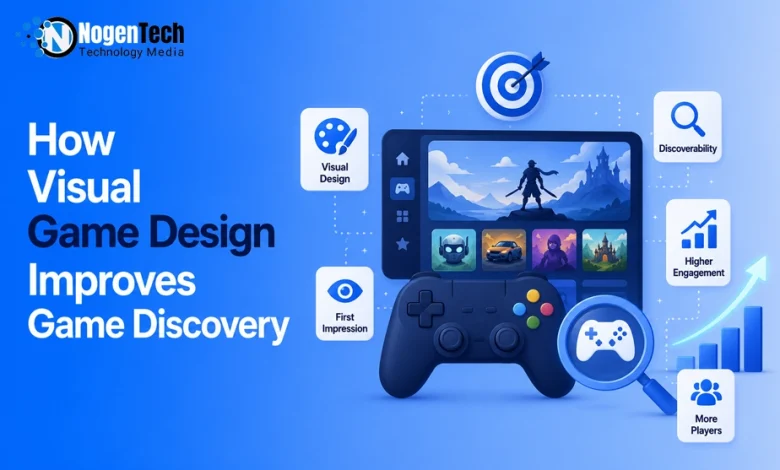
Visual design improves game discovery by using game artwork, interface design, and organized game libraries to help players find relevant games faster.
Visual design shapes a player’s first impression before they read a game’s description or watch gameplay. Strong visuals communicate a game’s style, genre, and overall appeal, making it easier to identify titles that match individual interests.
A well-designed gaming platform improves discovery through:
- Consistent game artwork that creates a recognizable identity.
- Clear typography that improves readability.
- Organized game libraries with logical categories.
- Recognizable icons that simplify navigation.
- Balanced color palettes that create a clear visual hierarchy.
Together, these elements reduce decision fatigue, improve navigation, and cater directly to why players prefer personalized gaming experiences by helping them discover games tailored to their specific tastes.”
How Does Visual Design Help Players Discover New Games?
Visual design improves game discovery through consistent artwork, visual hierarchy, and intuitive navigation, helping players find relevant games faster.
Players don’t explore every title in a game library. Instead, they rely on visual cues to identify games that match their interests.
Key elements that improve game discovery include:
- Game artwork that reflects the game’s theme and genre.
- Visual hierarchy that highlights featured and new games.
- Consistent color palettes that create a recognizable identity.
- Clear icons that simplify browsing.
- Animated previews that showcase gameplay before launching.
Some gaming platforms also group related titles into visually consistent collections. For example, the Kendoo Slots collection uses recognizable artwork, recurring characters, and a familiar interface design to help players browse similar games more efficiently.
Together, visual consistency, organized collections, and interface design make game libraries easier to browse and improve game discovery.
What Makes a Game Library Easy to Browse?
An organized game library uses clear categories, filters, and interface design to improve game discovery and help players find games quickly.
A well-structured game library helps players locate relevant titles without unnecessary searching. Clear organization reduces confusion and makes browsing faster across browser and mobile gaming platforms.
Its key elements include:
| Design Element | Purpose | Player Benefit |
| Clear categories | Group similar games | Faster discovery |
| Search and filters | Narrow game choices | Quicker results |
| Consistent artwork | Create visual recognition | Easier browsing |
| Animated previews | Showcase gameplay | Better decisions |
| Featured collections | Highlight trending or new games | Encourage exploration |
| Clean interface | Reduce visual clutter | Better usability |
When these elements work together, players spend less time searching and more time discovering games that match their interests.
Why Do Consistent Visual Themes Improve Navigation?
Consistent visual themes improve navigation by creating familiar interface design, helping players browse game libraries with less effort.
Players navigate more confidently when games share familiar visual patterns. Consistent layouts, menus, and artwork reduce the time needed to understand where to find key features.
Benefits of visual consistency include:
- Recognizable game artwork across related titles.
- Consistent interface design that keeps menus predictable.
- Standardized icons for faster recognition.
- Uniform color palettes that reinforce visual identity.
- Familiar layouts that reduce the learning curve.
By maintaining consistent visual themes, gaming platforms create a seamless browsing experience, allowing players to focus on discovering and playing games instead of learning a new interface for every title.
How Do Seasonal Updates Improve Game Discovery?
Seasonal updates improve game discovery by highlighting featured games with themed visual design, encouraging players to explore new and returning titles.
This refreshes game libraries without changing core gameplay. Limited-time visuals and themed collections draw attention to games that players might otherwise overlook.
Common seasonal design elements include:
- Holiday-themed artwork that refreshes game visuals.
- Seasonal badges that highlight limited-time content.
- Featured collections that group event-related games.
- Themed banners that improve content visibility.
- Limited-time events that encourage players to revisit games.
By updating visual design instead of gameplay, gaming platforms keep game libraries engaging, promote featured titles, and encourage players to discover more content throughout the year.
What Are the Best Practices for Designing a Game Library?
An effective game library uses organized navigation, consistent visual design, and responsive layouts to improve game discovery and usability.
To create a seamless browsing experience, gaming platforms should follow these best practices:
- Use clear categories to group similar games.
- Maintain consistent game artwork across related titles.
- Add search and filter options for faster navigation.
- Prioritize readable typography and accessible color contrast.
- Highlight new, trending, and seasonal games with visual indicators.
- Design responsive layouts for desktop and mobile devices.
- Keep the interface design clean by removing unnecessary clutter.
- Display key game information without overwhelming the player.
Following these practices improves user experience (UX), simplifies game discovery, and helps players find games that match their interests with minimal effort.
What Else Should You Know About Visual Design in Games?
How Does Game Artwork Influence Player Decisions?
Game artwork creates the first impression of a title, helping players quickly judge its theme, genre, and visual style. High-quality artwork attracts attention, builds interest, and supports faster game discovery without relying on lengthy descriptions.
Why Are Game Categories Important for Navigation?
Game categories organize similar titles into logical groups, making game libraries easier to browse. Combined with filters and search tools, they reduce browsing time and help players find games that match their interests.
How Does Visual Hierarchy Improve the Browsing Experience?
Visual hierarchy uses size, spacing, colors, and placement to highlight important content. It guides players toward featured, trending, or newly released games, making game discovery faster and more intuitive.
What Role Does Accessibility Play in Game Interface Design?
Accessible interface design uses readable typography, sufficient color contrast, clear icons, and responsive layouts to make game libraries easier to use for a wider range of players across desktop and mobile devices.
Can Better Interface Design Increase Player Retention?
Yes. A well-designed user interface (UI) reduces friction by making games easier to find, browse, and access. A smoother user experience (UX) encourages players to return and explore more titles over time.
Final Thoughts: What Does Better Visual Design Mean for Game Discovery?
Visual design is more than aesthetics; it’s a key part of game discovery. From game artwork and interface design to organized game libraries and intuitive navigation, every visual element helps players find games faster and browse with confidence.
As browser and mobile gaming platforms continue to expand their libraries, prioritizing usability, consistency, and accessibility will become even more important.
In my view, the best gaming platforms aren’t the ones with the most games they’re the ones that make discovering the right game feel effortless. Thoughtful visual design doesn’t just improve the browsing experience; it creates a smoother, more engaging journey from the first click to the first play.