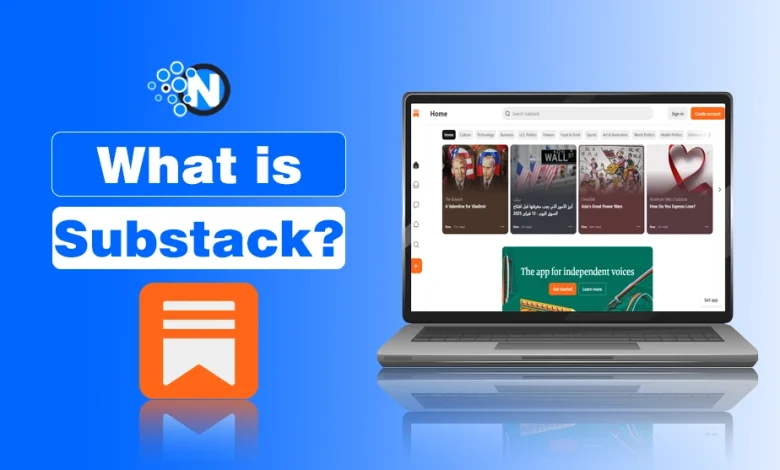
Want to share your ideas, stories, or expertise with people who actually want to read them, and even make money from it? Substack makes this super easy. With just a few clicks, you can start your own newsletter, publish posts, and send them straight to your subscribers’ inboxes.
It doesn’t matter if you’re new to writing or already have an audience, Substack helps you connect with readers, grow your community, and even earn through paid subscriptions.
In this guide, we’ll explore what Substack is, how it works, how to get started and simple tips to grow your newsletter.
What is Substack?
Substack is an online platform that provides tools for writers and creators to publish newsletters, articles, and other content directly to their subscribers.
The platform supports multiple content formats, including:
- Text (long-form newsletters, essays, or short updates)
- Audio (podcasts)
- Video (embeds and recorded content)
Key Features of Substack
- Publishing: Substack lets creators send content directly to subscribers’ inboxes. As a result, they can build personal connections with readers.
- Monetization: Offers options for free and paid subscriptions which enable content writers to generate revenue from their work.
- Analytics: You can get insights into subscriber growth, engagement metrics, and revenue statistics for better performance analysis.
- Customization: Allows personalization of publication design, including logos, cover photos, and layout adjustments.
- Community Engagement: You can enjoy discussion threads and comments to facilitate interaction with subscribers and readers.
Pros and Cons of Substack
| Pros | Cons |
|---|---|
| Easy to use, no coding required | Substack takes a 10% fee on paid subscriptions |
| Allows both free and paid content | Limited design and customization options |
| Automatic email delivery to subscribers | Relies on Stripe for payments, which has processing fees |
| You own your subscriber list | Not ideal for large businesses needing full website features |
| Built-in analytics to track performance | |
| Can monetize directly through subscriptions |
Why is Substack Popular?
Substack has become a popular alternative to blogging platforms like Medium and WordPress because it gives creators control. Substack gives you ownership of your subscribers, unlike platforms where visibility is determined by algorithms, which means that you always have direct access to your readers.
Here are the main reasons creators flock to Substack:
- Direct audience connection (content goes straight to inboxes)
- Built-in monetization (paid subscriptions, memberships, donations)
- Low barrier to entry (easy setup, no coding required)
- Creative independence (no reliance on traditional publishers)
How Does Substack Work?
Substack works through a very simple process: you write → people subscribe → Substack delivers your content → you can earn money. Below is a more structured breakdown to help you understand exactly how it functions.
1. Writers Create and Publish Content
Once you create an account, you get your own Substack publication (like your own mini-website).
You can write:
- Newsletters
- Blog posts
- Personal stories
- Tutorials
- Podcasts
- Updates
- Long and short articles
You write your content inside Substack’s simple editor, just like writing an email or a Google Doc. No coding or technical skills are required.
2. Readers Subscribe to Your Publication
People who like your content can subscribe in two ways:
- Free Subscription – They get your free posts in their email.
- Paid Subscription – They pay monthly or yearly to get premium content (optional).
Readers can also read your posts on your Substack website without subscribing if you allow it.
3. Substack Sends Newsletters Automatically
After you hit Publish, Substack:
- Sends your post directly to every subscriber’s email
- Publishes it on your Substack website
- Shares it through Substack Notes (if enabled)
This email delivery system is what makes Substack powerful, your content doesn’t get lost like social media posts.
4. Free vs Paid Content
You get to decide which posts are:
- Free for everyone
- Paid-only for subscribers
- Mixed posts (free preview, paid full article)
This helps creators earn money while still offering valuable free content to attract new readers.
5. Community Interaction
Substack also gives you tools to stay connected with your audience:
- Comments section under each post
- Chat feature for community discussion
- Likes and replies
- Subscriber-only messages
It works like a small community where your readers can engage with your work.
6. Managing Subscribers
Inside the dashboard, Substack shows:
- How many subscribers you have
- How many are paid
- Growth analytics
- Open rates and engagement
This helps you understand what your audience loves and what topics perform best.
7. Payments and Monetization
If you enable paid subscriptions:
- Substack handles payments through Stripe
- You get paid monthly or yearly
- Substack takes a 10% fee
- Stripe charges processing fees
You don’t have to manage anything, Substack automates everything.
8. You Own Your Audience
One of Substack’s biggest advantages is that you own your email list. Even if you leave Substack, you can export your subscribers anytime. This gives creators more control compared to social media platforms.
How to Get Started on Substack: Step-by-Step
If you are new to the content writing field, Substack provides you with the best opportunity to start your journey. I have detailed a step by step guide here so that you can find ease in utilizing the potential of this platform.
Before creating your Substack account, identify the specific topic or niche you want to focus on. Understanding your target audience’s interests and needs will guide your content strategy and help attract dedicated subscribers and build personal connections with them.
- Type Substack in your browser and press enter.
- Click on the official website, (https://substack.com/) from the search result.
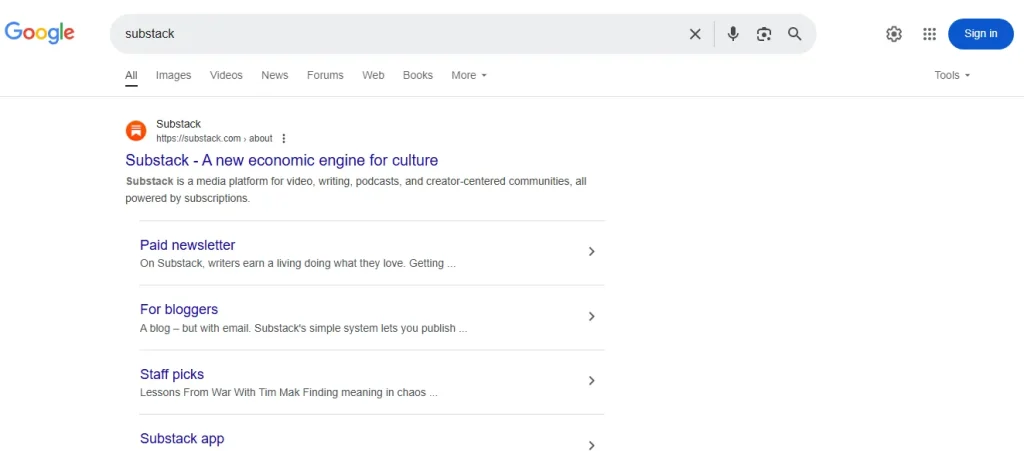
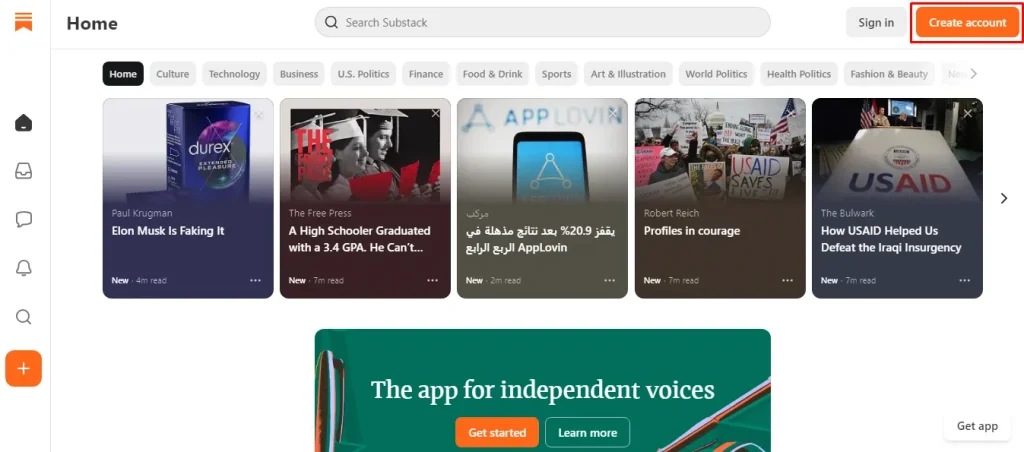
- From the homepage, you have to click on the Create Account button.
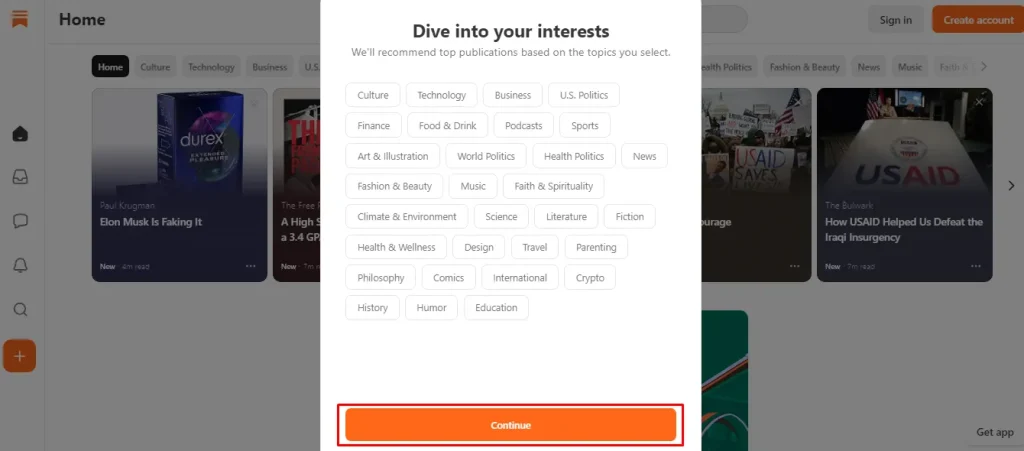
- Choose the categories of your interest and click Continue.
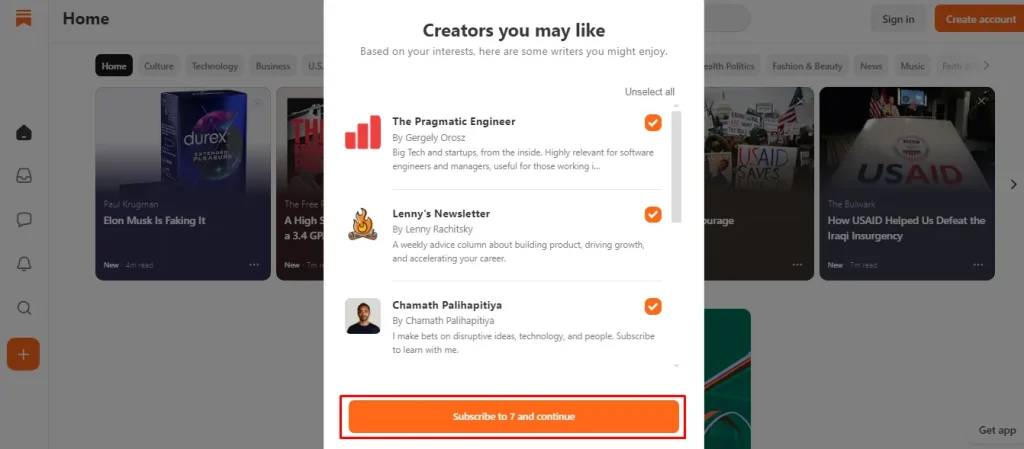
- Follow the creators and press the Continue button again.
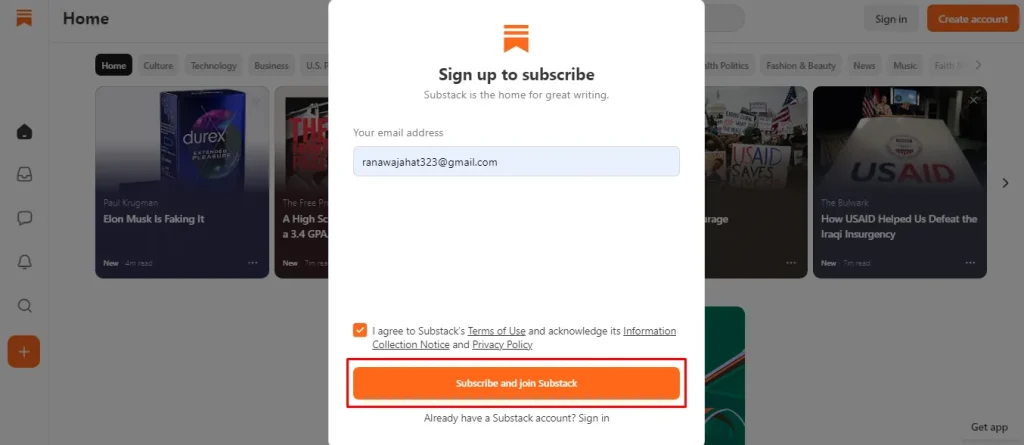
- Add your email address and tap the Join button on the next window.
- Next, enter your name, handle, and bio, and press continue.
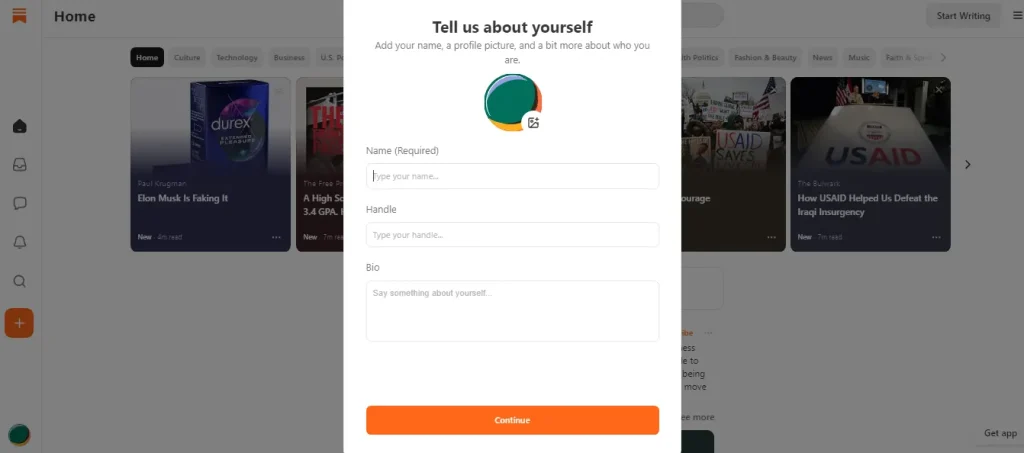
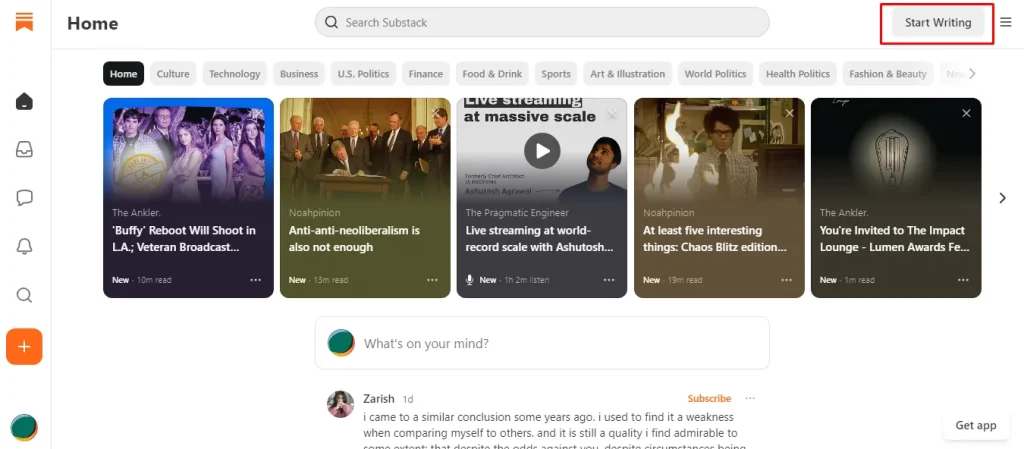
- After creating your account, click on the Start Writing option.
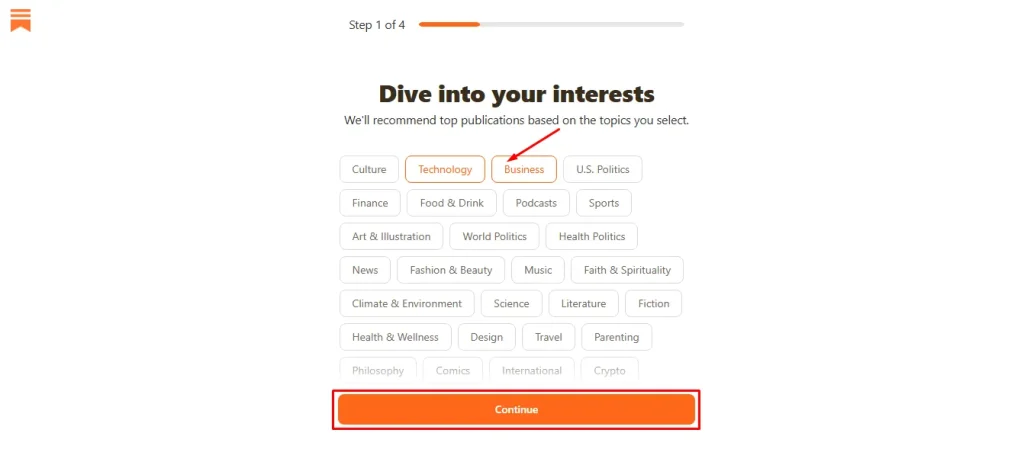
- Again, choose the categories in which you want to write.
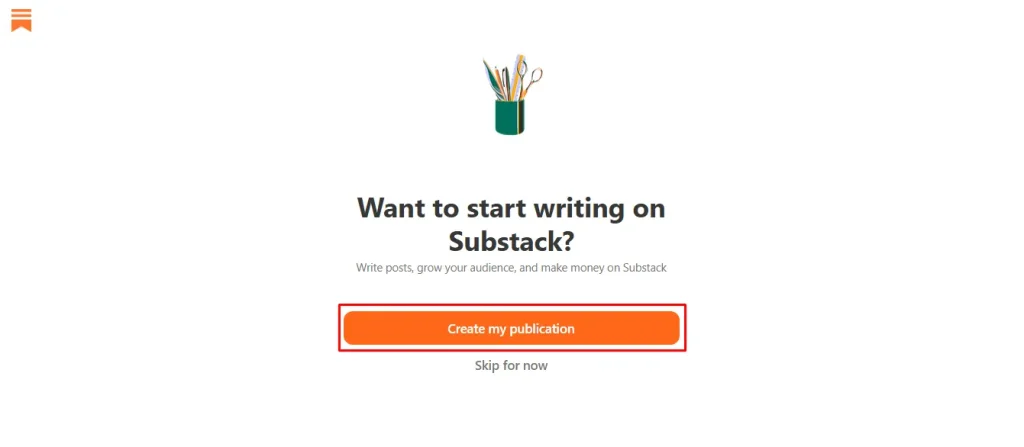
- Then, click on the Create My Publication button.
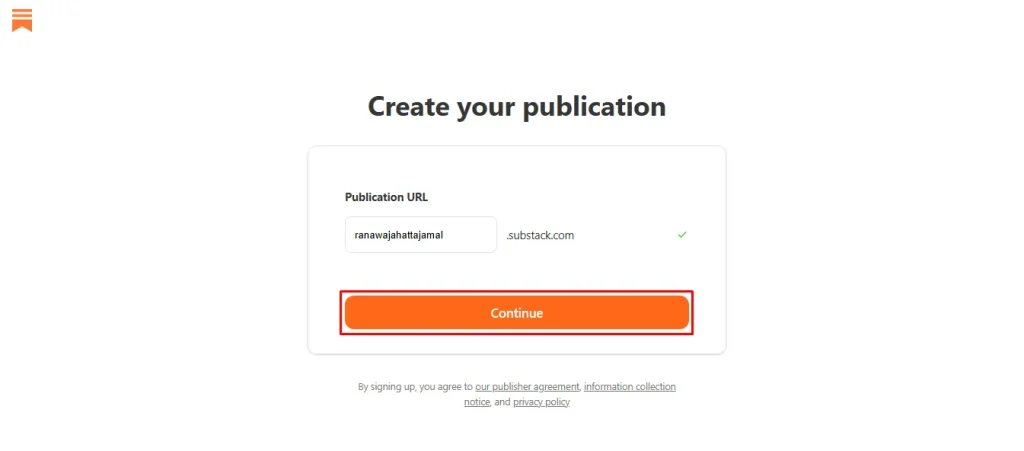
- Set the publication URL on Substack.
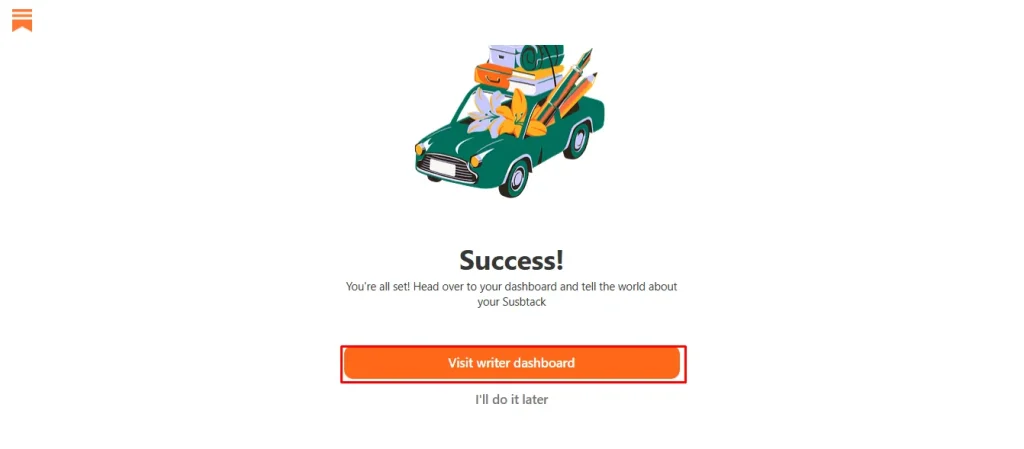
- Lastly, press the Visit writer dashboard.
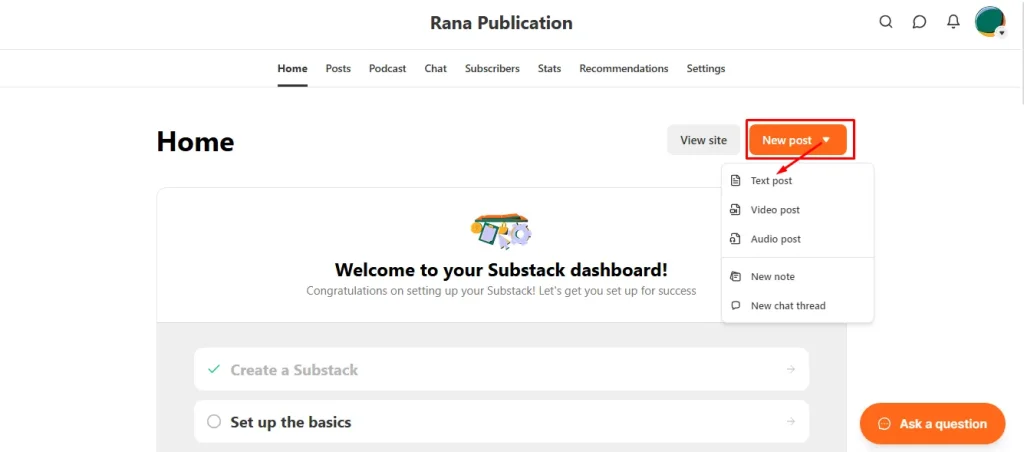
- On the next page, click on the New Post button and then select the Text Post option.
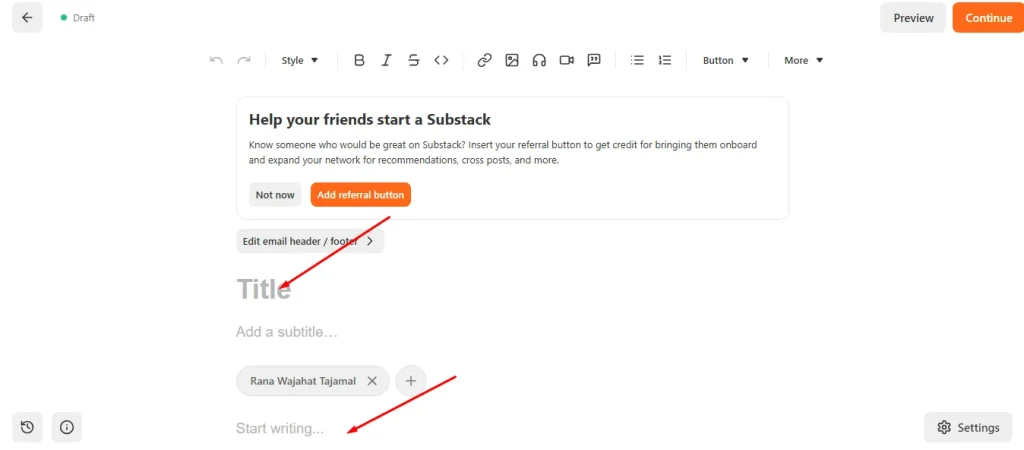
- Add the title and your writing in the designated sections and then click Continue on the top right corner.
- Choose the privacy options and then select “Send to everyone now.”
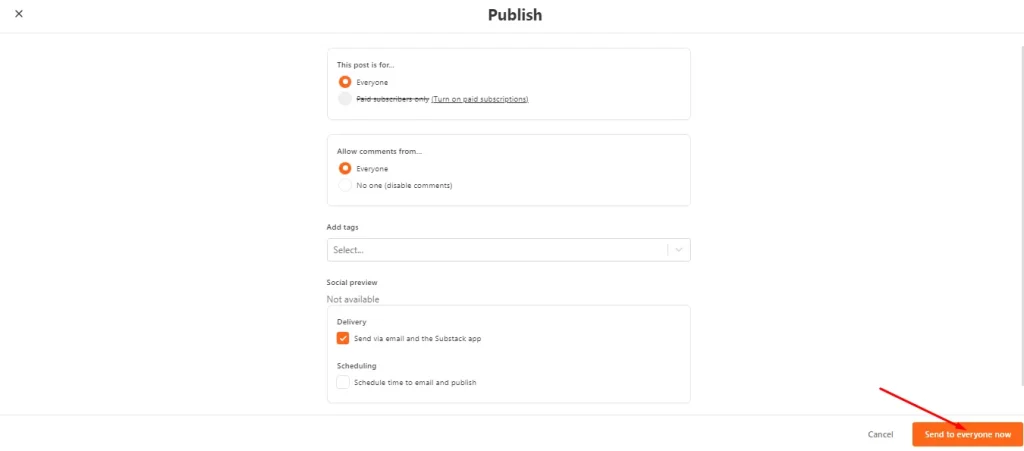
Pro Tip: You should utilize formatting tools to enhance readability, and consider adding images or audio to enrich the experience. Once satisfied, preview your post, adjust settings like tags and SEO descriptions, and publish it to your subscribers.
How to Grow Your Substack Newsletter?
- Consistent Posting Schedule: Establish a regular posting schedule to keep your audience engaged and anticipate your content.
- Engage with Your Audience: Create a sense of community by responding to comments and encouraging discussions with your audience.
- Use Social Media: Promote your Substack publication on social media platforms to attract new subscribers.
- Offer Exclusive Content: Provide paid subscribers with exclusive content or perks to add value to their subscriptions.
- Analyze Performance Metrics: Regularly review analytics to understand which content resonates most with your audience.
How Substack Creators Earn Money?
Substack allows creators to earn money mainly through paid subscriptions. When you publish content, you can choose to make it free for everyone or reserve it for paid subscribers. Paid subscribers pay a monthly or yearly fee to access exclusive posts, newsletters, or other premium content.
This makes it easy for writers and creators to monetize their work without relying on ads or sponsorships.
Substack handles all the payment processing through Stripe, so creators don’t have to worry about billing or collecting payments. Substack takes a 10% platform fee, and Stripe charges a small payment processing fee. The rest of the income goes directly to the creator.
Some creators also offer tiered memberships, where subscribers pay more for extra benefits, such as behind-the-scenes content, early access to posts, or personal interaction with the writer.
This is a great way to increase earnings while rewarding loyal subscribers.
The best part is that creators own their subscriber list, which means they can grow their audience and maintain control over their income. Even if they decide to leave Substack, they can export their subscribers and continue connecting with them elsewhere.
Substack vs Other Platforms – A Table Comparison
| Feature | Substack | Medium | WordPress |
|---|---|---|---|
| Ease of Use | Very easy | Easy | Moderate (requires setup) |
| Monetization | Paid subscriptions | Medium Partner Program | Ads, memberships, plugins |
| Audience Control | Full ownership | Medium controls | Full ownership |
| Cost | Free + revenue share | Free | Hosting costs apply |
| Community | Built-in threads/comments | Medium followers | Plugins required |
Final Thoughts
These are the details about what is Substack along with its features, how to use it, and tips for better results.
Shortly, it is a powerful platform that allows creators to publish, monetize, and connect with their audience to earn significant revenue from the very beginning of their content creation journey.
You only have to understand its different aspects and implement effective strategies to ensure that you can build trust with your audience. Choose a niche that resonates with the preferences of your targeted users. In this way, you can pocket the maximum beneficial results possible.
FAQs About Substack
Who owns my email list on Substack?
You do. One of Substack’s biggest advantages is that you always own your subscriber list, even if you leave the platform.
How much does Substack charge?
Substack takes 10% of your subscription revenue, and Stripe adds around 2.9% + $0.30 per transaction as processing fees.
Do I need technical skills to use Substack?
No. Substack is beginner-friendly and does not require coding or design experience. The platform handles formatting, payments, and distribution automatically.
Can I make money on Substack?
Absolutely. Writers can set up paid subscriptions, offer exclusive content, and even create tiered memberships.