When someone says “sign here,” what comes to mind?
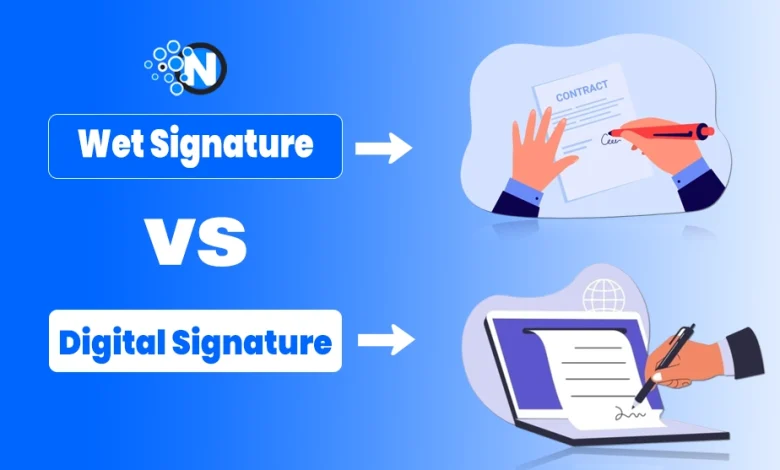
For many of us, it’s the familiar act of grabbing a pen and scribbling our name on a piece of paper. That’s a wet signature, literally ink that leaves a mark. But in today’s digital-first world, we’re just as likely to click a button or type our name into a secure platform. That’s where digital signatures come in.
This blog post will break down the differences between a wet signature and a digital signature, so you know when each makes sense.
What Is a Wet Signature?
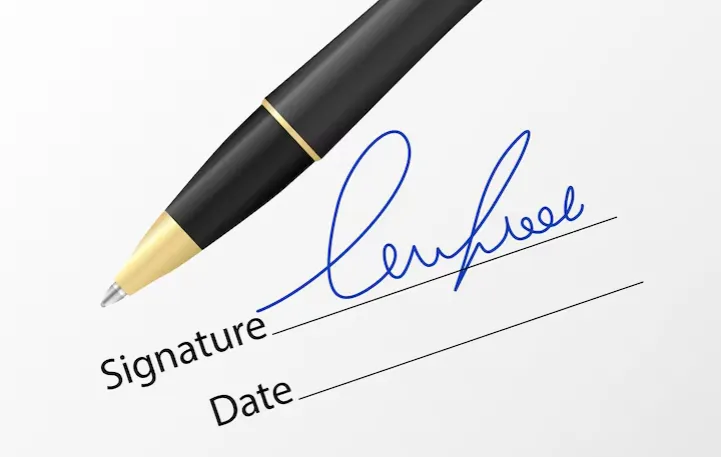
A wet signature is the traditional handwritten method to sign a document. “Wet” means the ink is fresh and needs time to dry. This method is often required for documents that need in-person verification, such as agreements or some government forms.
In many cultures, a wet signature shows official authenticity, as do name seals in Asia. The process is simple but involves several steps: print, sign, scan, and deliver. This adds time and increases errors in today’s digital world.
For high-stakes contracts, a wet signature still builds trust, but its slow pace and security risks are pushing people toward digital alternatives.
When do you still need a Wet Signature?
Some documents require wet signatures, especially those needing witnesses or physical handover. This includes wills, deeds, adoption papers, or powers of attorney in many places. Courts and governments favor ink for tamper evidence at a specific time.
eIDAS allows digital signatures for most things, but real estate and probate still want physical ink due to long-standing traditions against forgery. International acceptance varies because some countries reject even scanned wet signatures.
So you should always check local laws or consult legal advice. Fewer situations need compulsory wet signatures today, but it’s still the default where required.
The Process of Getting a Wet Signature
Getting a wet signature means printing the document, signing in the correct spot, letting the ink dry, and scanning it to share digitally. You can deliver it in person, by mail, or as a PDF. Smartphone scanning helps avoid mail delays.
This personal mark is important, but it creates risks like loss or forgery. With multiple signers, coordination becomes complex, and either everyone meets or the document is passed around.
Blue ink appears more authentic. While reliable for making things official, the process is slower than digital options and introduces unnecessary errors with remote work.
What Is a Digital Signature? The Secure Electronic Evolution
A digital signature is a secure electronic signature that uses encryption to verify identity and prevent alteration. It works by placing a unique encrypted code or a digital footprint on the document. And it is issued by a trusted authority that contains a digital certificate.
And keep in mind that any tampering is obvious; if anything changes, the signature fails. It is used in business, finance, and government. Digital signatures follow regulations such as eIDAS in the EU and ESIGN in the US.
Unlike basic electronic signatures such as typed names or checked boxes, digital signatures confirm the signer’s identity, making them suitable for sensitive contracts.
How Digital Signatures Work?
Digital signatures use public key infrastructure for creating a special identity. This involves linked cryptographic keys, such as a private key kept by the signer and a public key shared for verification. The signer creates a hash of the document and then encrypts it with their private key, and others verify with the public key.
There are various providers, like Adobe Sign, that may embed digital certificates to enhance compliance. Signing takes seconds through apps or browsers.
A qualified electronic signature (QES) is as trusted as written signatures under eIDAS. Only the private key holder can sign; anyone can check with the public key.
The Legality of Digital Signatures
Digital signatures hold equivalent legal authority to handwritten signatures in most jurisdictions. These are empowered by statutes like US ESIGN, EU eIDAS, and Australia’s Electronic Transactions Act.
They provide tamper evidence and cryptographic proof. eIDAS establishes three legal tiers, which include simple, advanced, and qualified, where QES matches handwritten validity for high-risk documents.
Let me tell you that there are over 60 countries that endorse digital signatures. And most business contracts are now valid in digital form. Adhering to ISO 27001 ensures high security.
Key Differences: Wet Signature vs. Digital Signature Compared
Wet and digital signatures both express intent, but they have some pretty fundamental differences. These include how they work, how secure they are, and how practical they are in real-world situations.
Here are some of the key differences that will help you understand better and help you pick the right solution for your workflow:
Security
Wet signatures don’t really offer any built-in security; they can be easily faked or changed after someone’s signed them. It’s all down to witnesses to vouch for their authenticity. Digital signatures, on the other hand, use some pretty advanced encryption methods.
This includes public key infrastructure (PKI) for starters, document fingerprints (hashes), and digital certificates from a trusted authority. PKI ensures that only the owner of a private key can actually sign a document. And the public key lets anyone check the signature is valid.
All these together ensure that any changes to the document can be spotted, so it’s clear who signed and when.
Efficiency and Convenience
Wet signatures are a real hassle because you’ve got to print them out, sign them, scan them, and then send them off. This can take days, or even weeks if you’ve got people in different time zones. Digital signatures, on the other hand, can be done in just a few seconds through a secure app or website.
Wet signatures are really best suited to situations where you need to build trust face-to-face. However, digital signatures let teams from all over the world work together on the fly. International agreements can be wrapped up in minutes digitally, whereas they can take weeks to get done by mail.
Cost and Environmental Impact
Wet signatures require ongoing spending on printing, ink, postage, and storage, plus environmental costs from paper and transport. Digital signatures reduce this long-term process, as they support paperless, eco-friendly processes, saving trees and lowering emissions.
Wet signatures have psychological value for some, but digital’s cost savings and sustainability are better for high volumes. Digitally, firms can cut paper use by 95%. Wet signatures still contribute to deforestation; digital aligns with ESG goals.
Legality and Use Cases
Both are legally binding under global laws (ESIGN, eIDAS), but digital ones offer stronger evidence through trials and encryption. Even accepted in courts worldwide for most transactions. Wet signatures can be the best option for witnessed documents and digital for everyday business, faster, verifiable contracts, invoices, and NDAs.
Digital signatures excel in high-volume scenarios such as global supply chains or SaaS agreements where speed and auditability matter. Wet signatures remain in niches requiring physical witnessing or a cultural preference for ink.
Scalability and Integration Capabilities
Wet signatures don’t scale; each document needs individual handling. This limits high-volume operations, whereas digital signatures integrate seamlessly with CRM, ERP, or cloud systems. It helps in automating workflows for thousands of contracts monthly.
Platforms like Adobe Sign or DocuSign connect to Salesforce or Microsoft Dynamics, triggering actions post-signature. Wet signatures lack this ecosystem, but the digital ones enable rules like auto-approvals or data extraction.
Final Words
In today’s fast-paced world, choosing between wet and digital signatures comes down to security, efficiency, and legal acceptance. Wet signatures still hold weight for traditional, high-stakes documents, but digital signatures are the clear winner for modern business.
This is because they offer strong encryption, instant processing, and eco-friendly benefits. From my own experience, adopting digital signatures has streamlined my workflow and reduced hassle. If you value convenience, security, and sustainability, making the switch is a smart move.
Still, always check local legal requirements. Ultimately, the right choice depends on your needs, but for most, digital is the future.