UK Announces Sweeping Social Media Ban for Under-16s, Including TikTok, YouTube, Instagram, and More Platforms
Britain will ban under-16s from using social media platforms including Snapchat, TikTok, YouTube, Instagram, Facebook, and X; following an "Australia plus" model expected to take effect in spring 2027, with WhatsApp and Signal exempted.

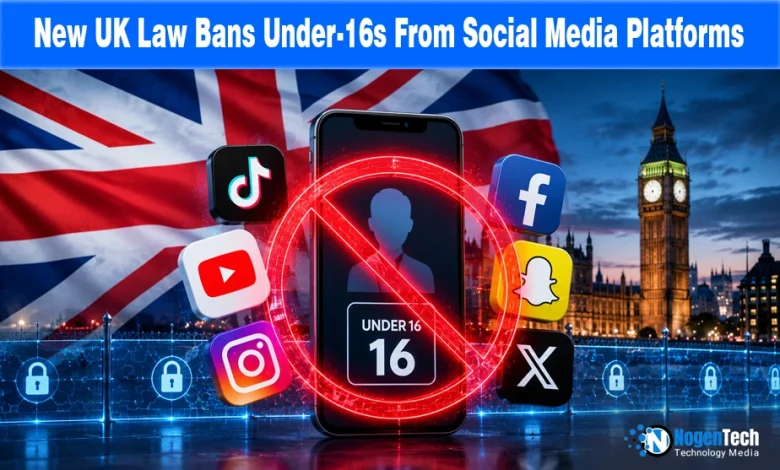
British Prime Minister Keir Starmer has announced a sweeping ban on social media use for those under 16, joining other countries in tightening child online safety rules.
“It’s a big step for our country,” he said in a video message, warning that social media is making children “unhappy and unsafe.” He added that, as a parent and Prime Minister, he could not let it continue.
Starmer said the government would not compromise despite expected pushback from tech companies, stressing the ban “must happen.”
How the “Australia Plus” Model Actually Works
Following Australia’s decision to lock teens out of popular social media apps in December 2025, the UK has promised “world-leading additional restrictions” on features like livestreaming and strangers communicating with children.
The government says the legislation, “backed by 9 in 10 parents,” will be introduced before Christmas and could take effect in Spring 2027.
The plan follows an “Australia plus” model, restricting underage social media access while adding extra limits across platforms that aren’t fully banned, including gaming platforms.
Officials are also considering overnight curfews and breaks from infinite scrolling for under-18s. Starmer said the process will be faster than the Conservative rollout of the Online Safety Act, building on existing Ofcom enforcement.
The Resistance Starmer Is Already Preparing For
Starmer told a news conference that he will fight back if technology companies resist the move and acknowledged some teens would try to find their way around a platform ban, a technique that carries risks.
The prime minister admitted this will “not be easy” as some social media giants want people to think things are “unchangeable.”
“We have to resist that kind of learned helplessness,” he insisted, saying the government “can” and “will” change things.
This firm stance follows a series of growing compliance disputes earlier this year, building on the momentum from February when the government strengthened its approach to content moderation with a 48-hour compliance deadline.
Starmer’s government has now tied its child safety agenda to pushing legislation against tech industry resistance on two fronts within the same week, a move that signals either strong political conviction or notable political risk, depending on how enforcement unfolds.
The Personal Story Behind the Policy
Per BBC, Esther Ghey, a British campaigner, whose 16-year-old daughter Brianna tragically lost her life in 2023 following exposure to harmful online content, said the ban would “potentially save so many children’s lives,” but stressed it must be supported by additional measures.
She told the BBC she is also pleased the government is investing in after-school clubs, noting that “we can’t just take things away from children.”
MPs previously voted against a social media ban for under-16s in March, making the latest move a reversal of a parliamentary decision just months earlier, shaped by sustained public pressure.
Britain’s approach has developed through a January consultation and February efforts to address gaps in AI chatbot safety rules, marking this as the culmination of a longer, visible policy process rather than a sudden shift.