


Since 2014, NoGenTech has been explaining global tech trends, which helps readers understand how innovation changes the world. Over the years, we’ve witnessed countries advancing at dramatically different speeds.
However, it’s clear that not every country moves at the same speed. Some adopt new technologies almost overnight, while others take small, careful steps to catch up.
In this statistical article, “Global Technology Adoption,” we’ll take you on a journey to see how different countries are using technology in 2026. You’ll discover who’s leading, who’s catching up, and what it means for the future.
Country-by-Country Stats on Global Tech Adoption
On September 4, 2025, Statista Research Department displayed the results for Global IT spending for 2025, which is $5.6 trillion. This massive investment underscores the scale and importance of technology in all sectors.
That’s why NogenTech has come up with such stats to help its readers know what exactly the world is up to:
1. The Most Advanced Technology Country in the World
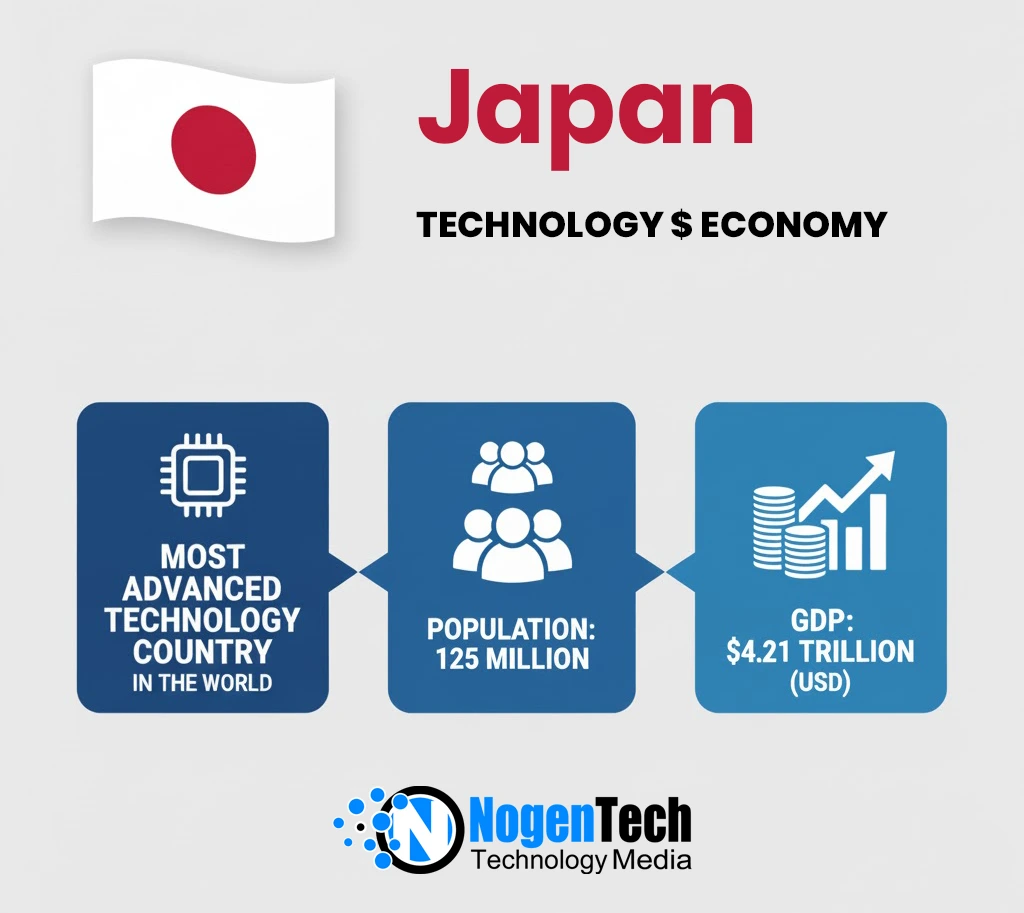
Japan is the most advanced technology country in the world with a population of 125 million of population and $4.21 trillion GDP. (USNews)
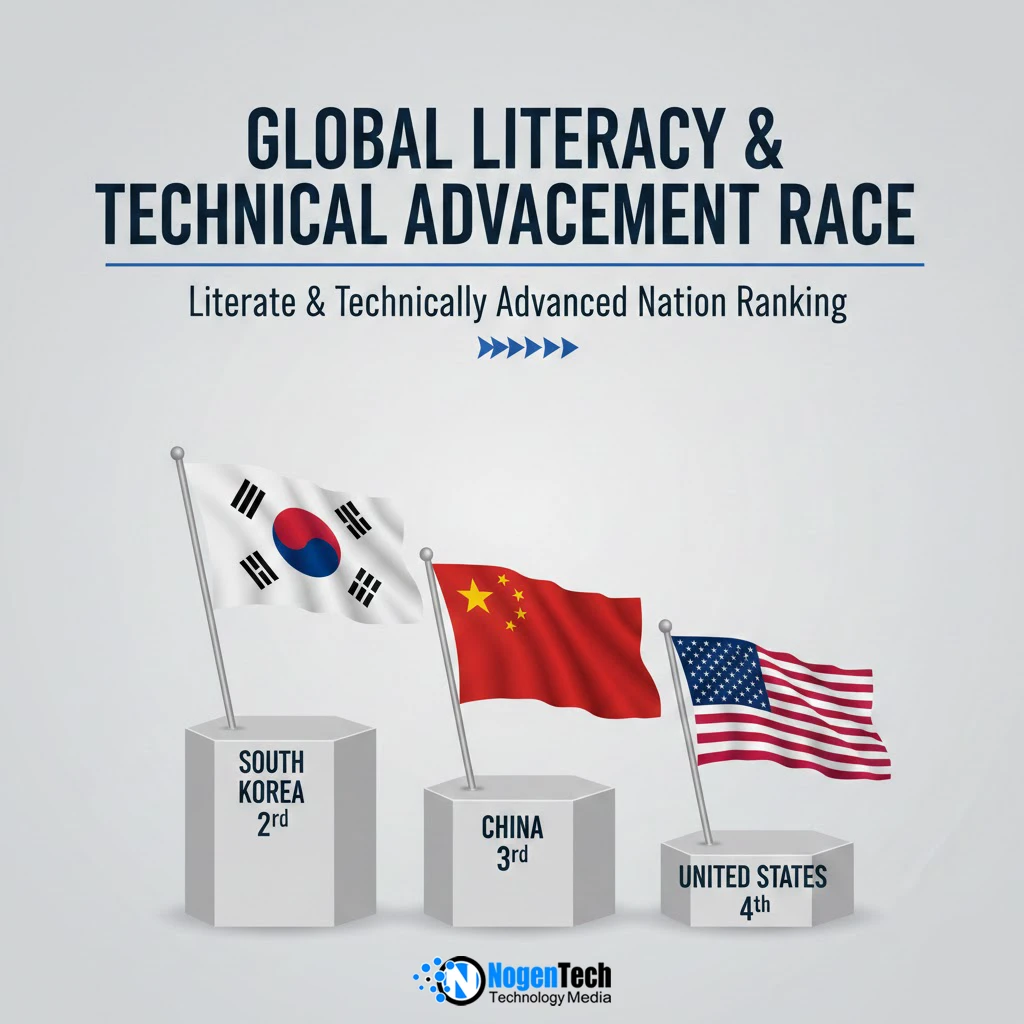
South Korea, China, and the United States hold second, third, and fourth positions, respectively, in the race to become the most literate and technically advanced nation.
2. Internet Users
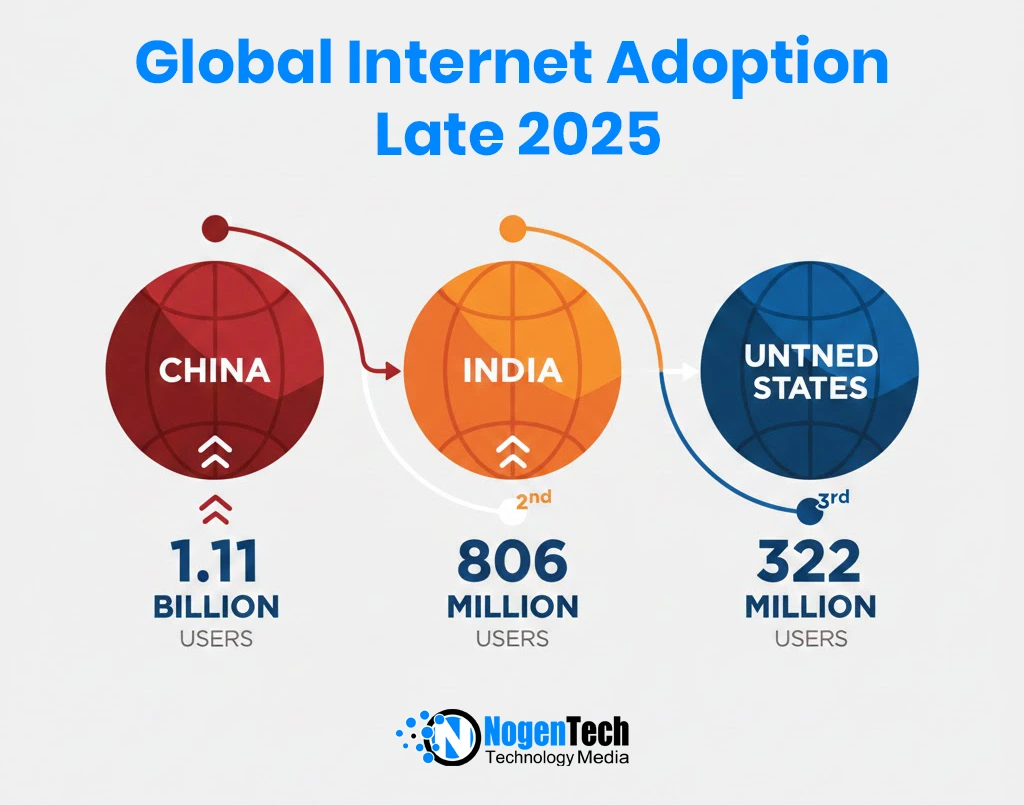
China tops with 1.11 billion internet users in the adoption of the Internet as of late 2025, while India and the United States rank second with 806 million and third positions with 322 million, respectively. (World Population Review)
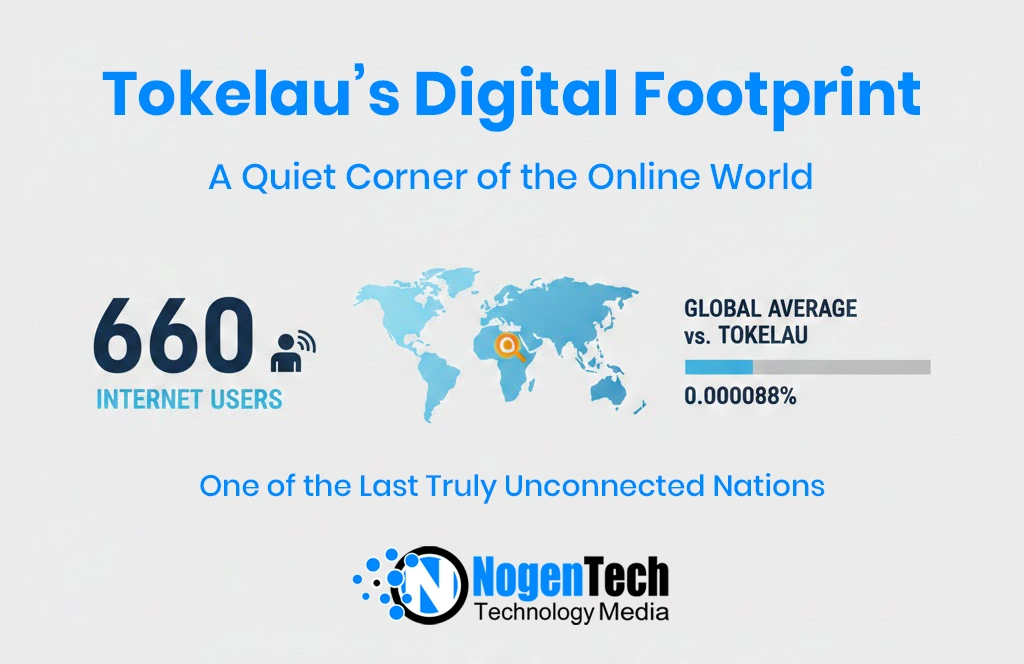
Tokelau’s digital footprint is barely a footprint at all. With just 660 internet users, it remains one of the last truly quiet corners of the online world. (NogenTech)
3. AI adoption
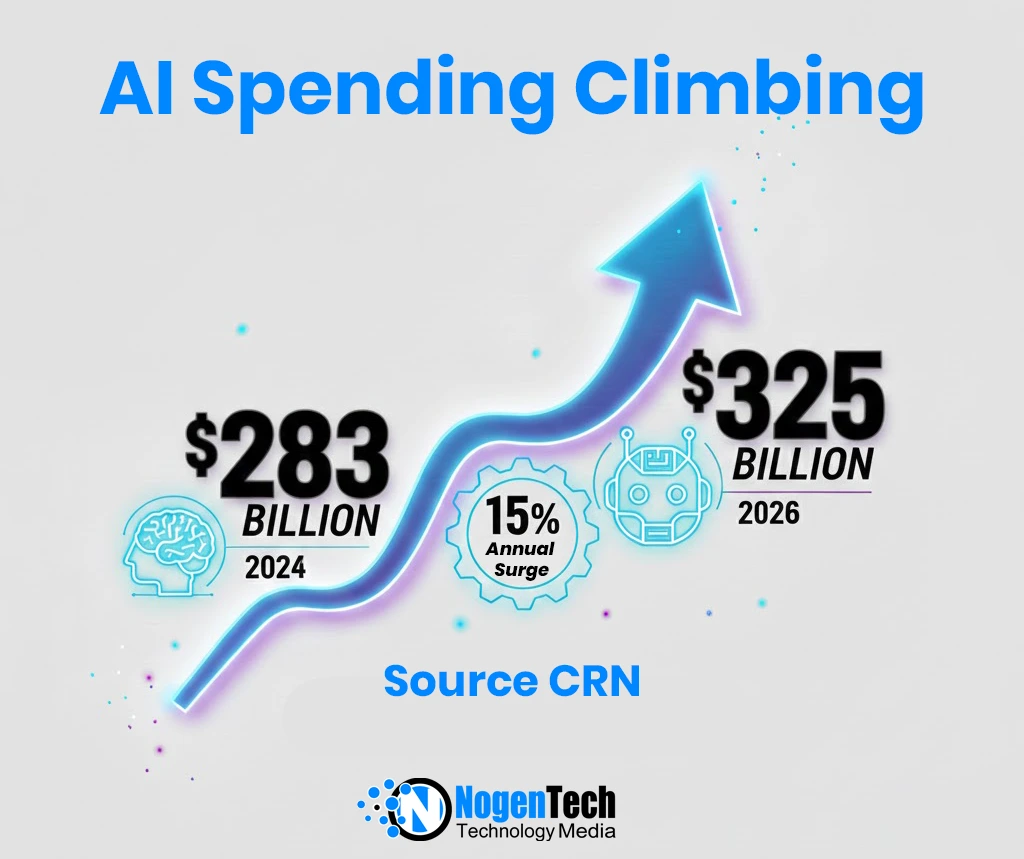
The world is pouring money into artificial intelligence (AI) like never before. AI spending will climb from $283 billion this year to $325 billion in 2026, a powerful 15% annual surge. (CRN)
Generative AI is exploding worldwide. Spending is projected to hit $644 billion in 2025, up a staggering 76.4% from just a year earlier. (Gartner)

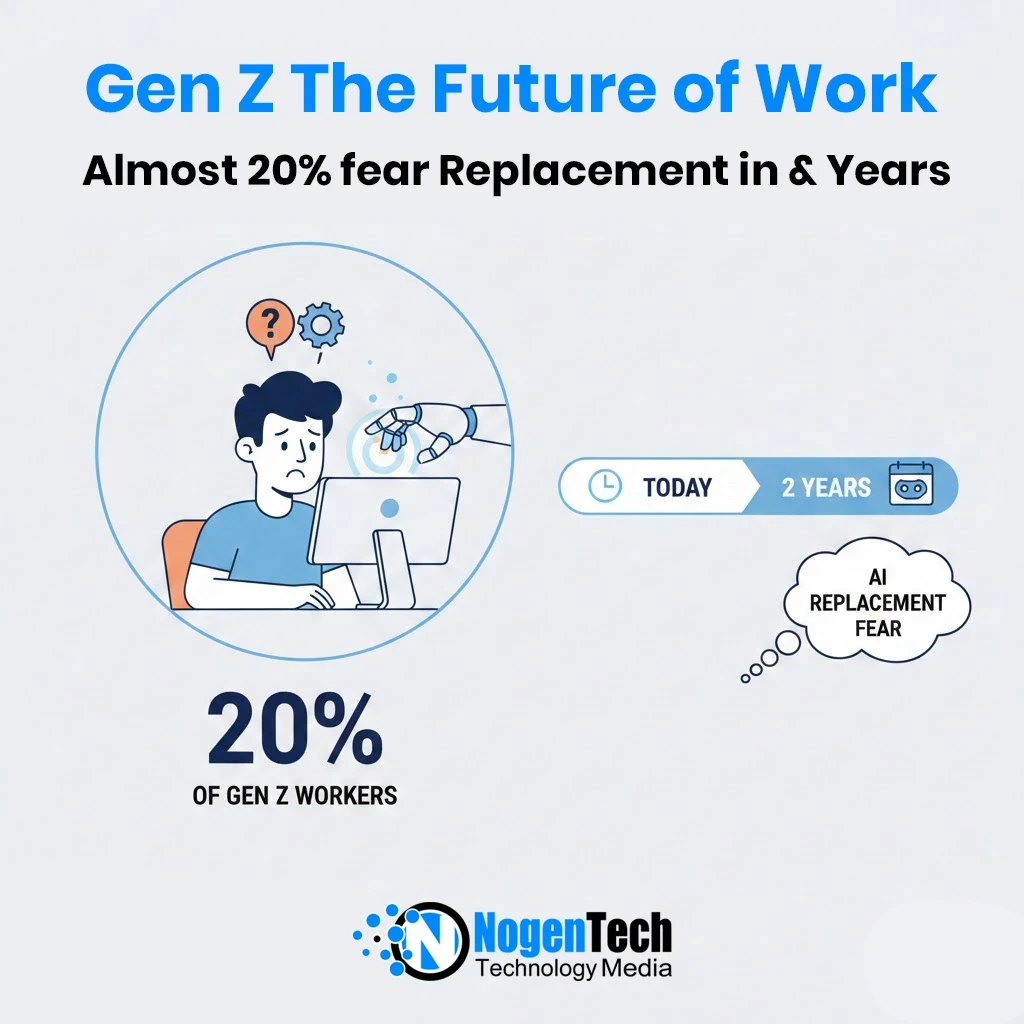
Almost 20% of Gen Z workers admit they’re seriously afraid AI could replace them in just two years. (Fortune)
4. AI Companies
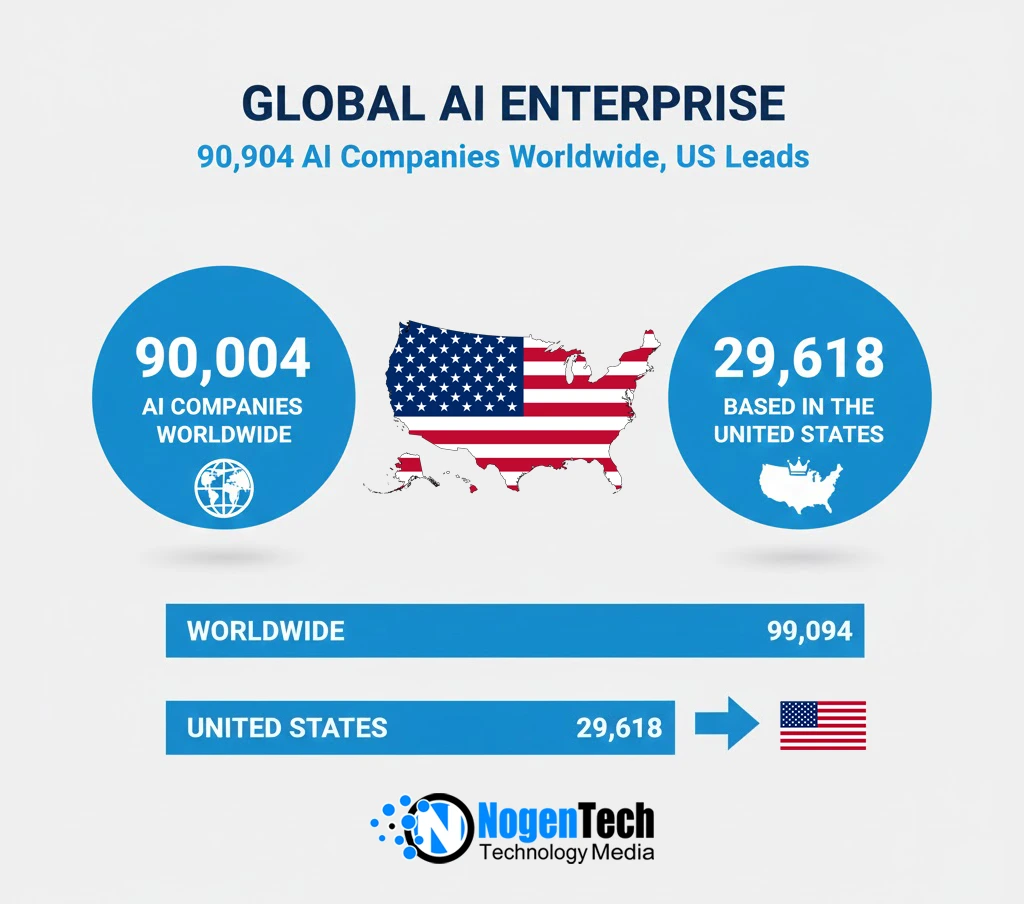
There are a total of 90,904 AI companies worldwide, with 29,618 based in the United States, making it the global leader in AI enterprises. (Hostinger)
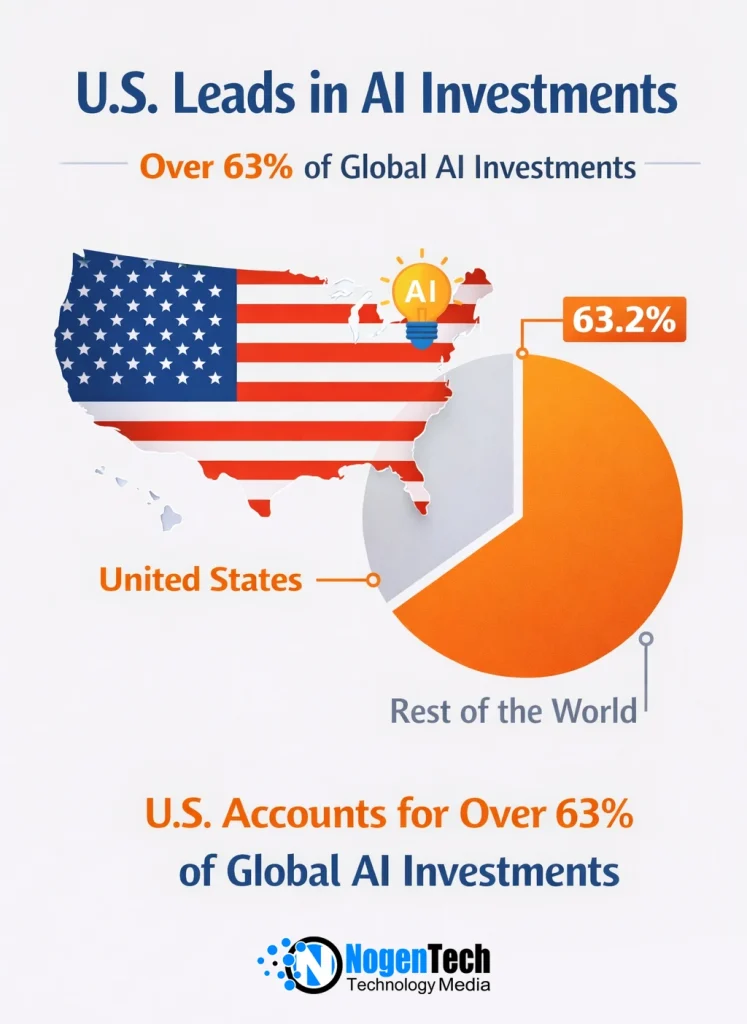
When it comes to investing in Artificial Intelligence (AI) technology, the United States leads the world by a wide margin, accounting for over 63% of global AI investments. (Stanford University)
78% of businesses have integrated AI into their workflows for better outcomes. (McKinsey)

5. Technology in the Workplace
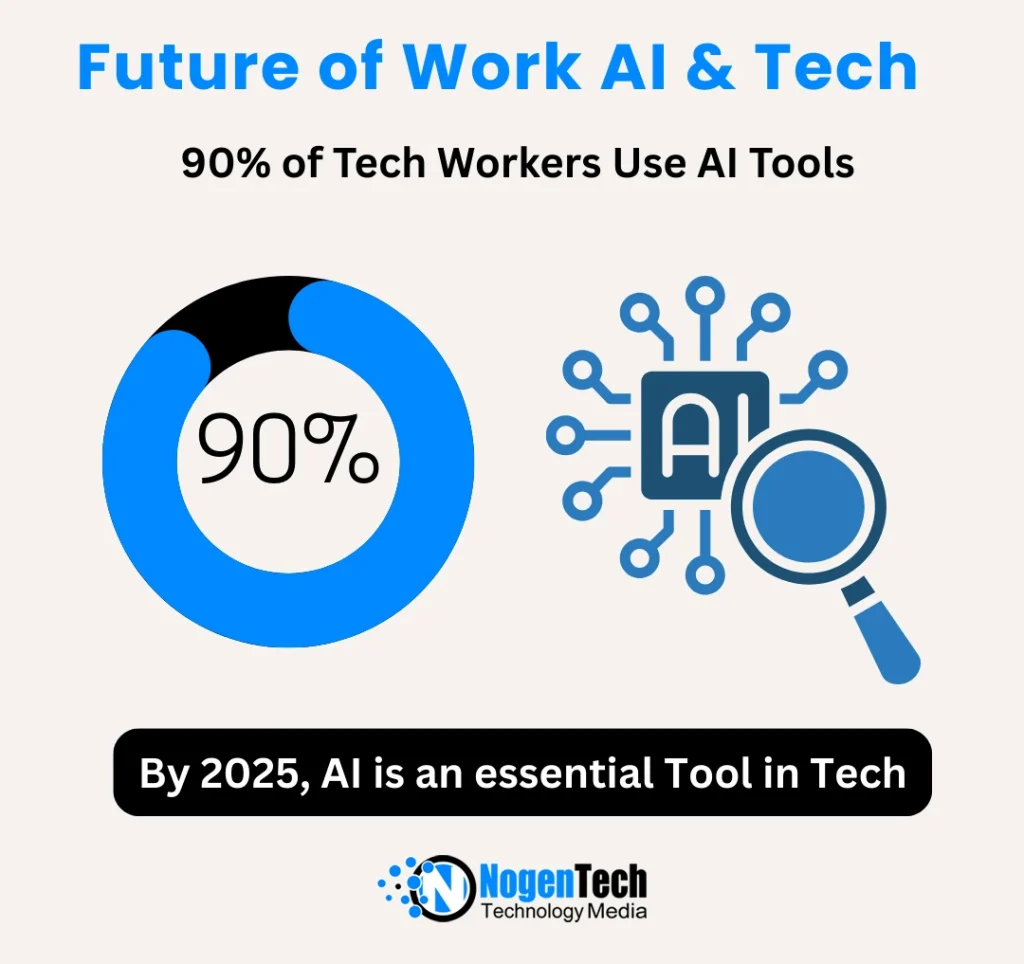
In 2025, 90% of tech workers are actively using AI tools in their work. (CNN/Google)
Across every sector and every market, artificial intelligence is now embedded in 100% of industries, improving productivity, decision-making, and the future of work. (PwC)

Marketing and sales departments are at the forefront of adopting Generative AI technologies. (McKinsey)

6. Digital Payment Adoption
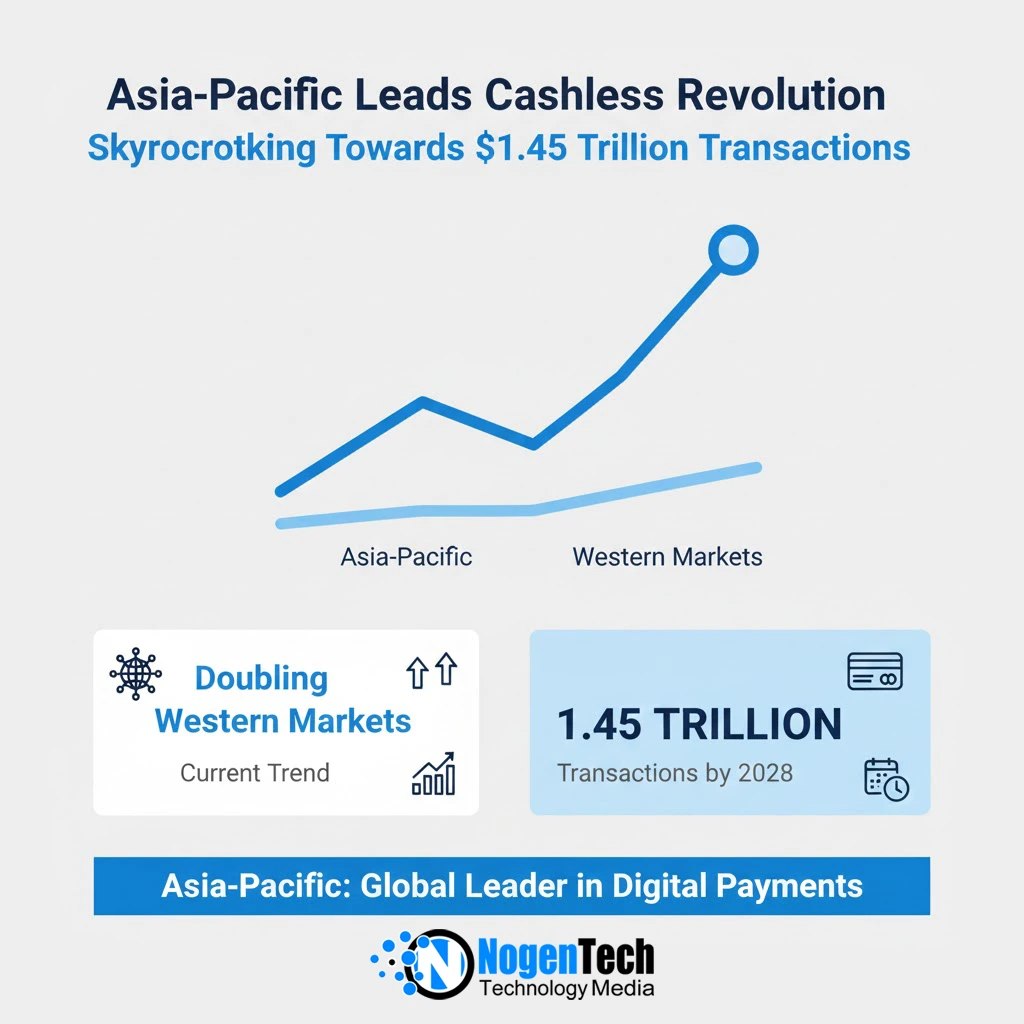
Cashless payments are skyrocketing in Asia-Pacific, already doubling Western markets and racing toward 1.45 trillion transactions by 2028. (Statista)
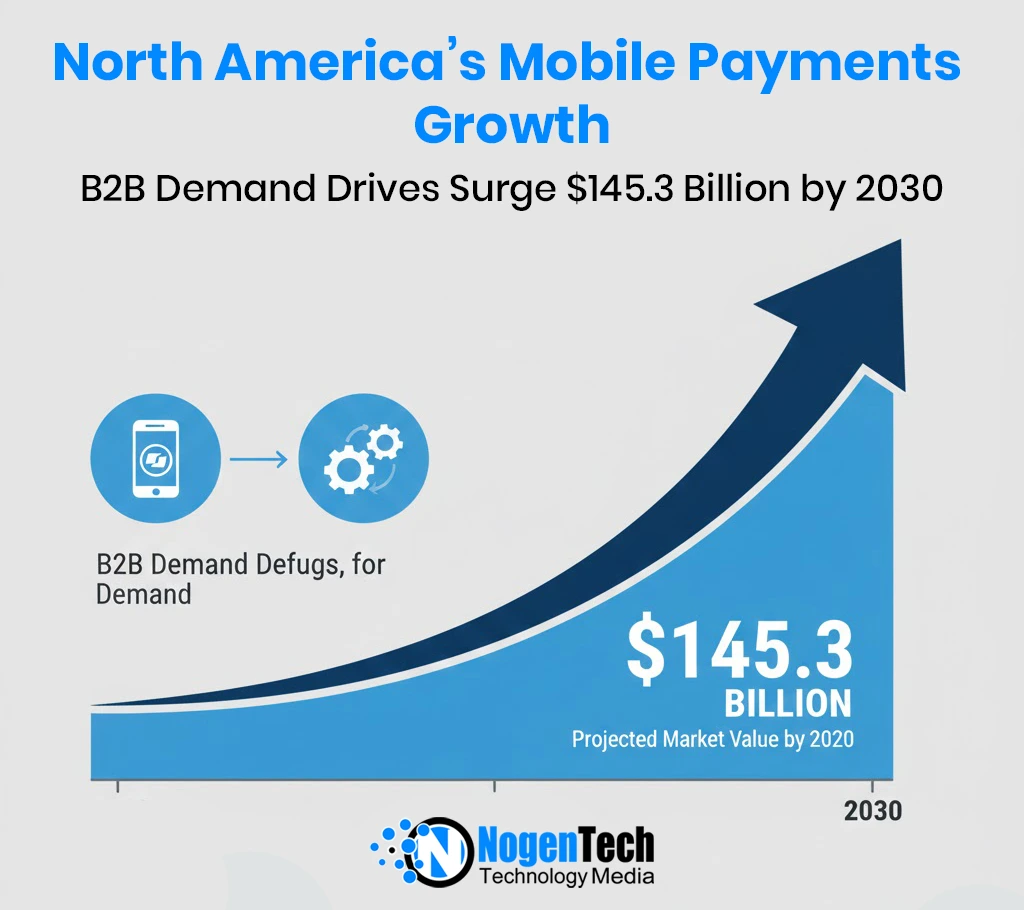
North America’s mobile payments are entering a growth surge, driven by B2B demand and projected to hit $145.3 billion by 2030. (US Bank)
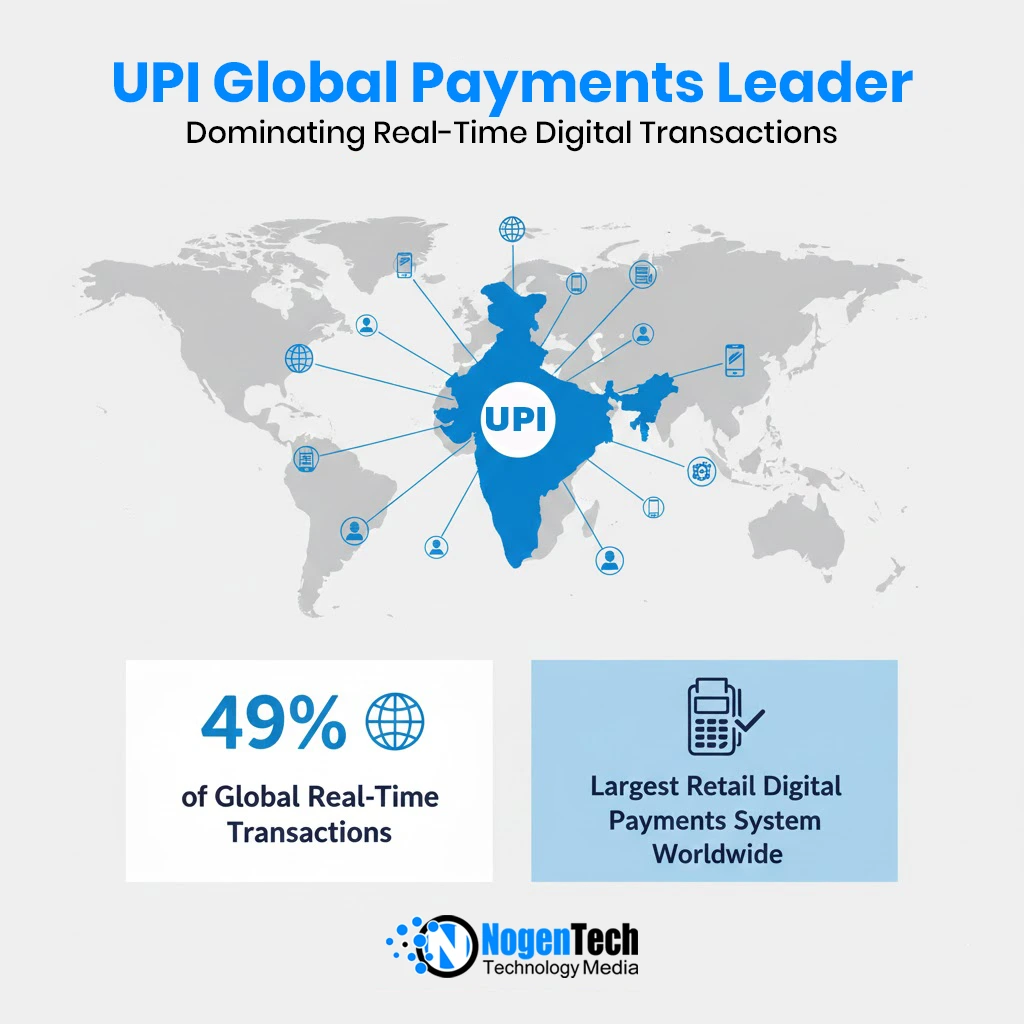
UPI now processes ~49% of global real-time payment transactions, which makes it the largest retail digital payments system worldwide. (IMF)
7. E-commerce Adoption
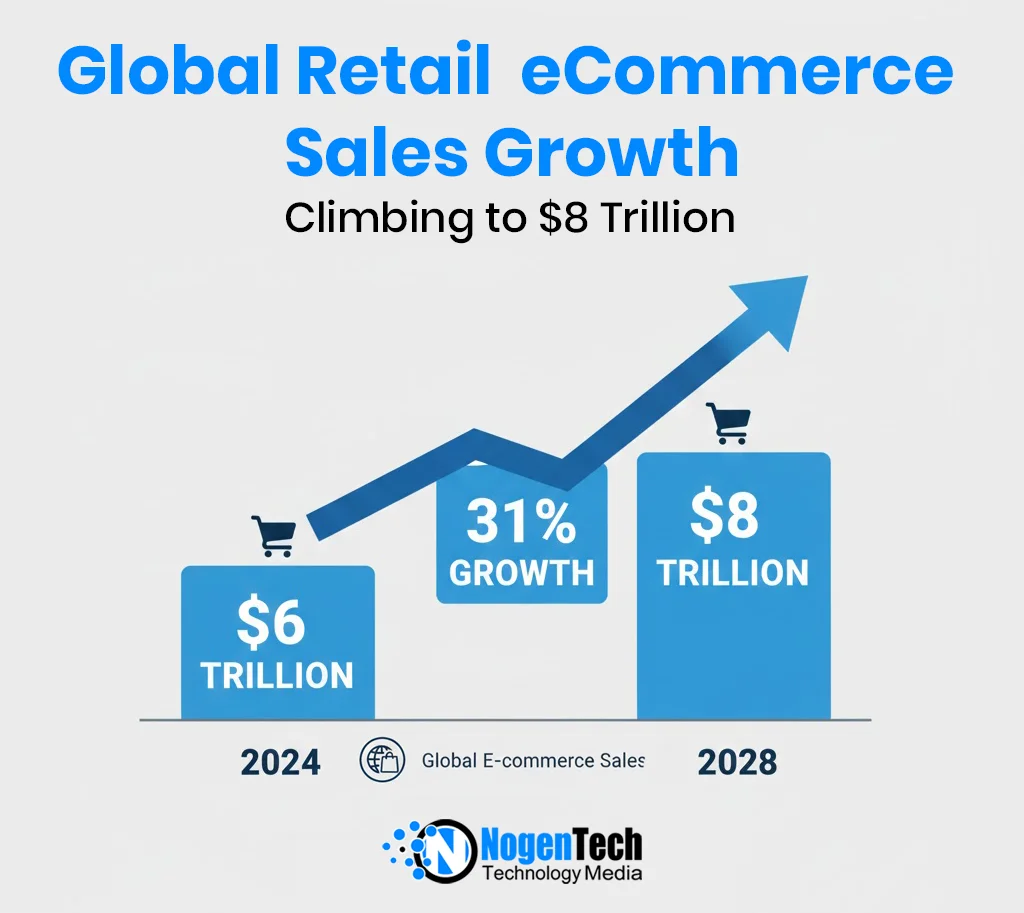
Global retail e-commerce sales hit $6 trillion in 2024 and are projected to grow 31%, approaching $8 trillion by 2028. (Statista)
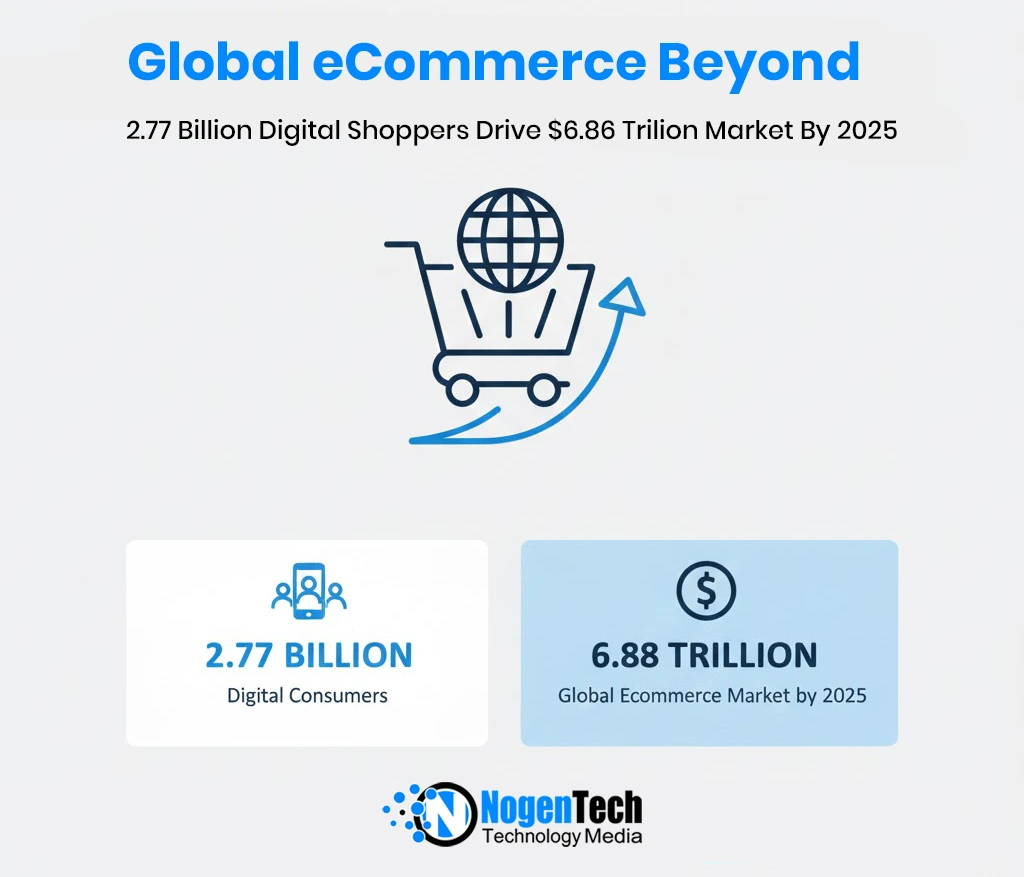
A digital shopping army of 2.77 billion consumers is set to push global eCommerce beyond $6.86 trillion in 2025. (Optinmonster)
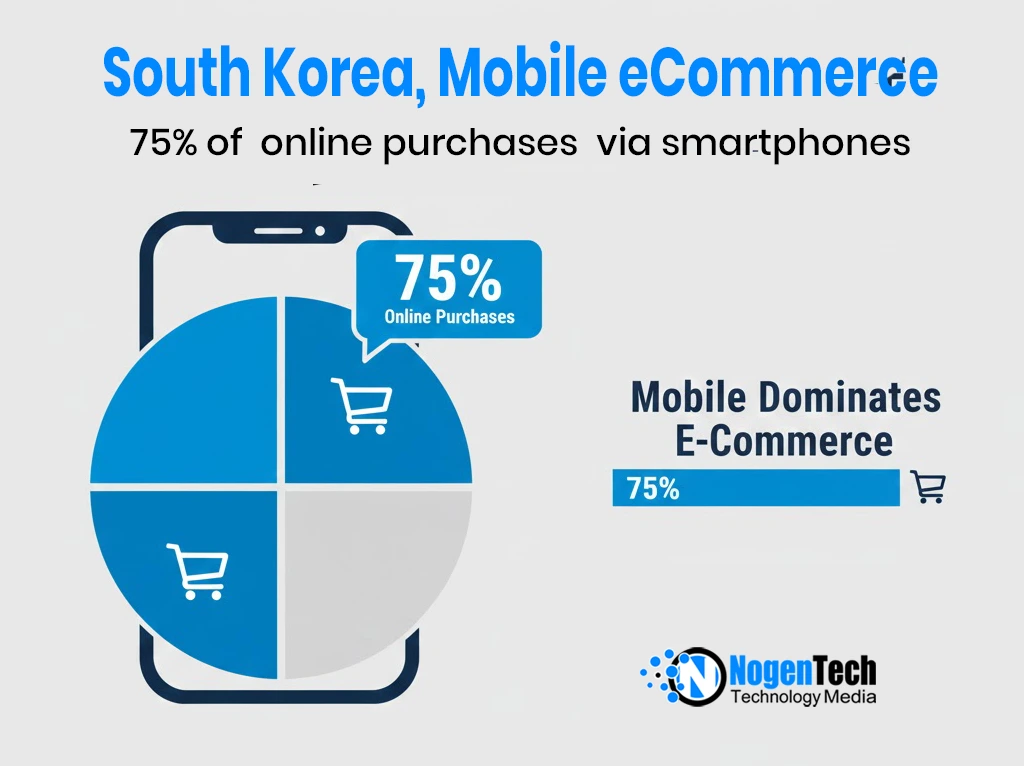
In South Korea, mobile dominates e-Commerce as three out of four (75%) online purchases are made via smartphones. (Shopify)
8. Social Media & App Usage
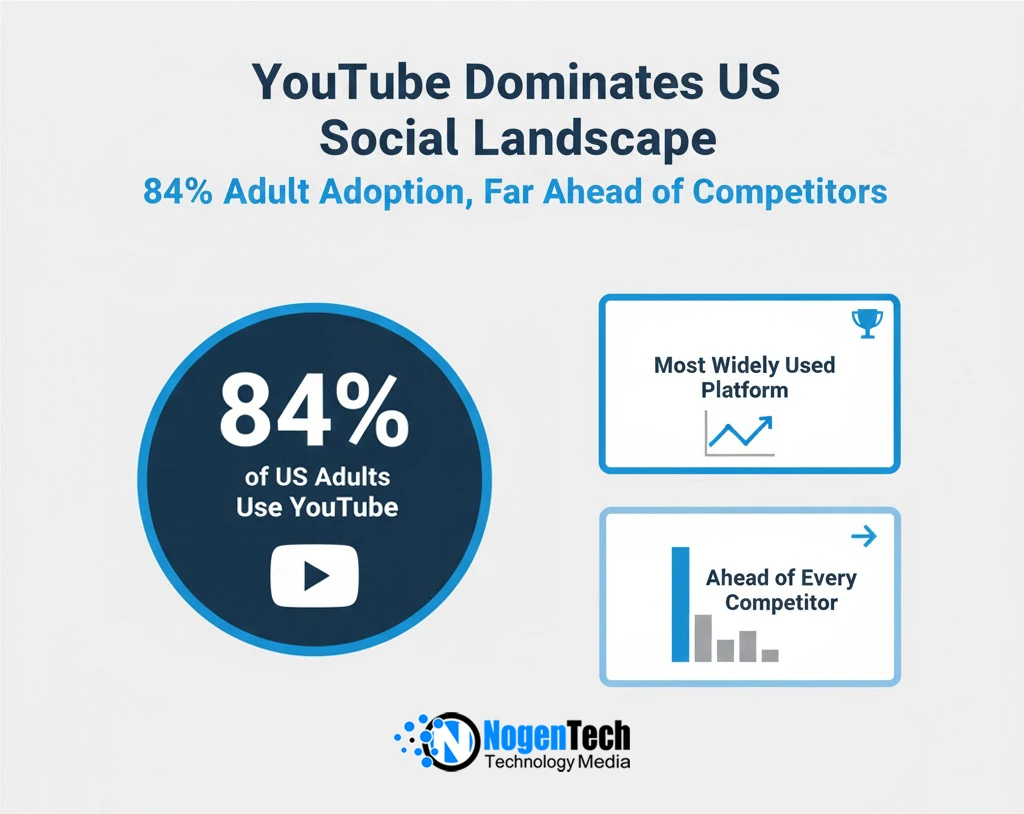
With 84% adult adoption in the United States, YouTube stands as the most widely used social platform, far ahead of every competitor. (Pew Research)
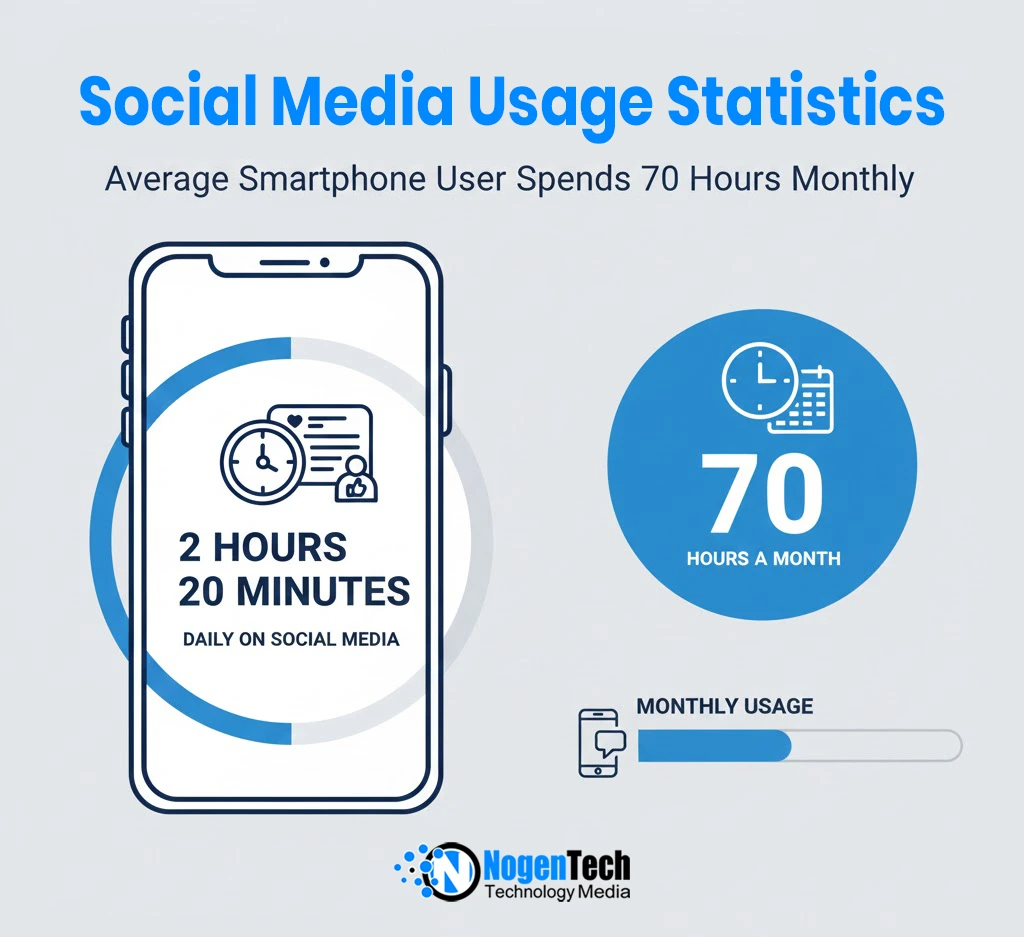
Every day, the average smartphone user spends 2 hours and 20 minutes scrolling social media, nearly 70 hours a month. (Business of Apps). While these numbers show our current reliance on handheld devices, the landscape is shifting. Major tech giants envision a future beyond smartphones, moving toward ambient intelligence and wearable tech.
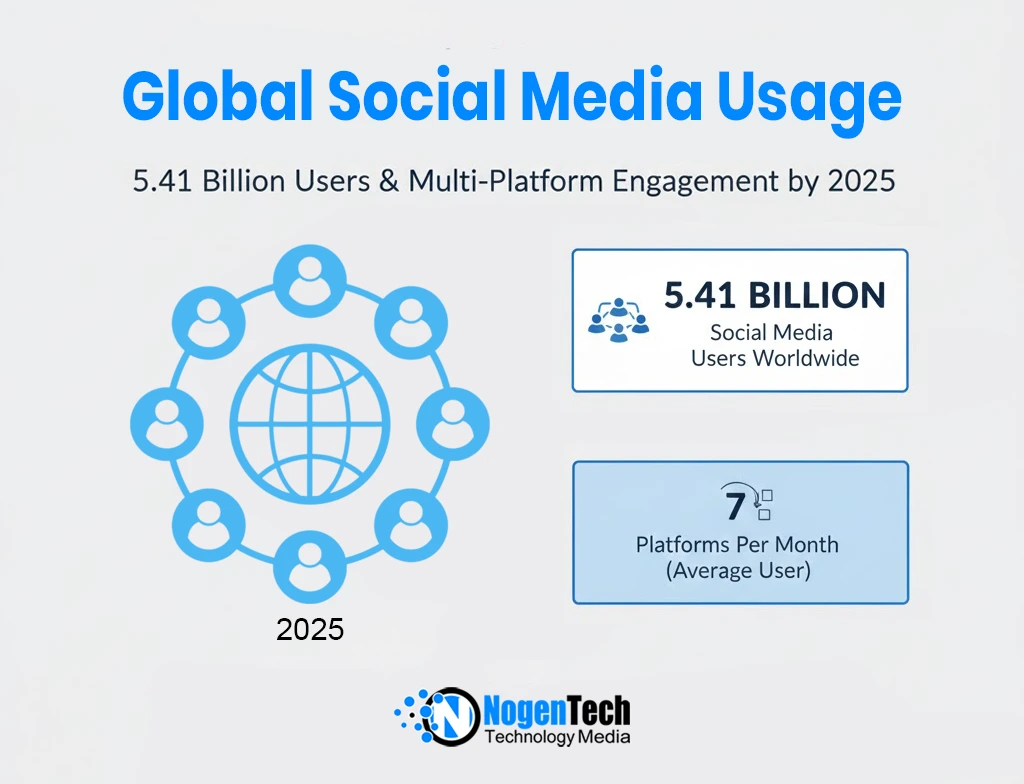
In 2025, 5.41 billion people are on social media, double that of 2015, and the average user jumps across nearly seven platforms every month. (Backlinko)
9. Cloud & Software Adoption
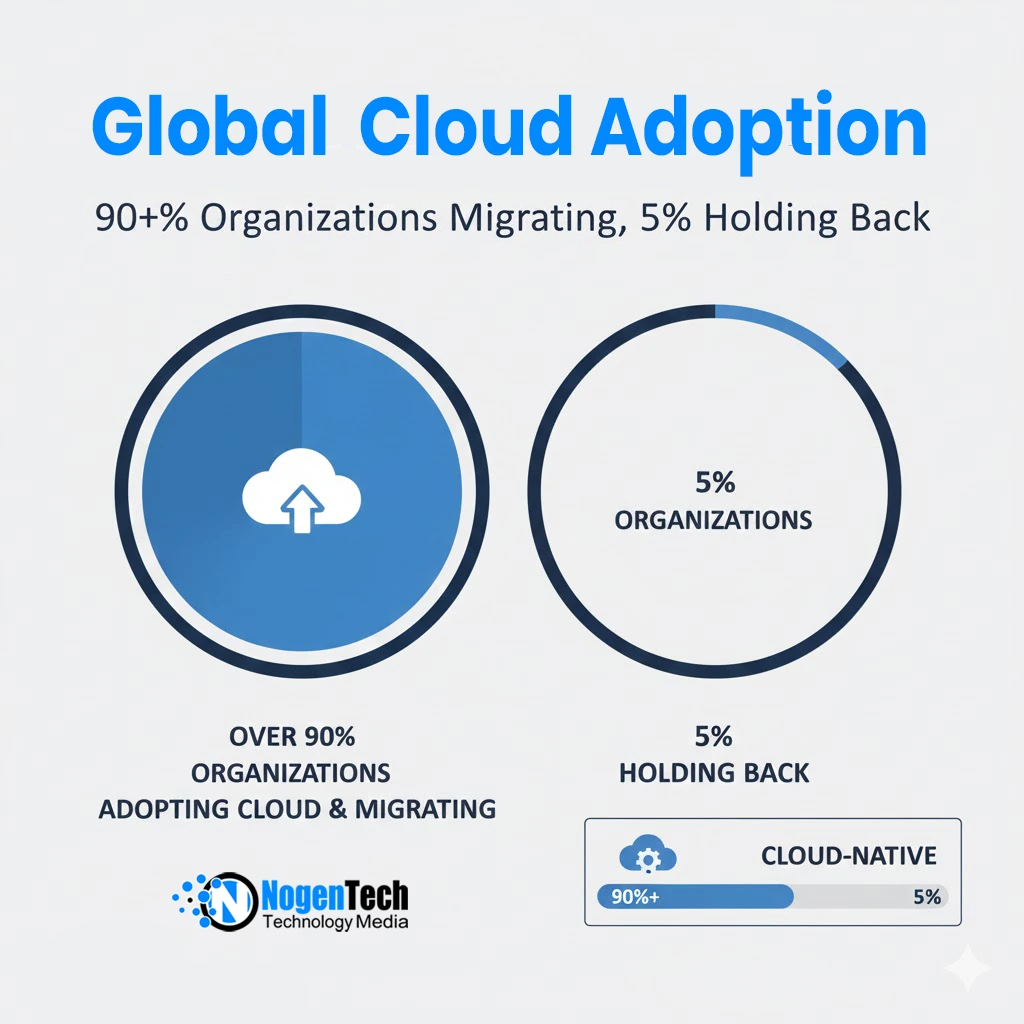
Cloud adoption has crossed the point of 90% organizations. Mass migrations are underway, cloud-native is the goal, and almost 5% of organizations are holding back. (O’Reilly)
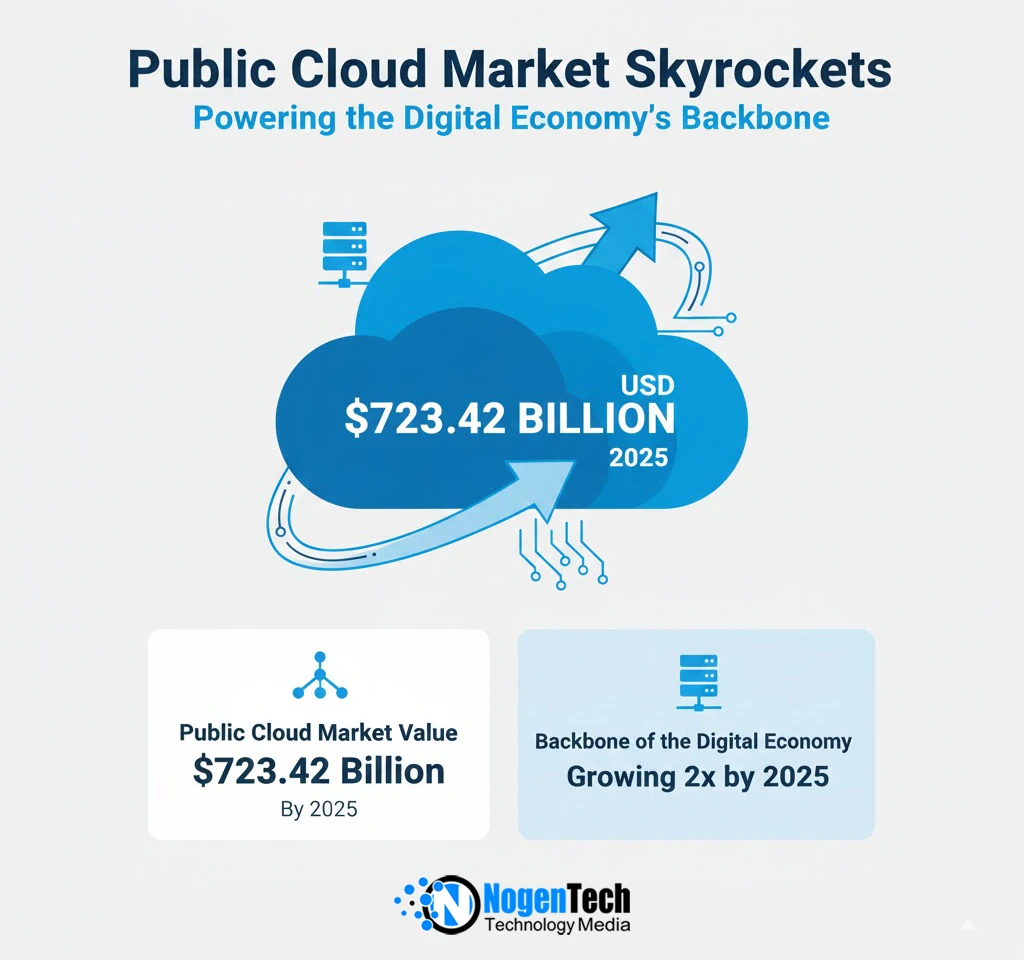
The public cloud market is set to hit $723.42 billion at the end of 2025, which powers the backbone of the digital economy. (Statista)
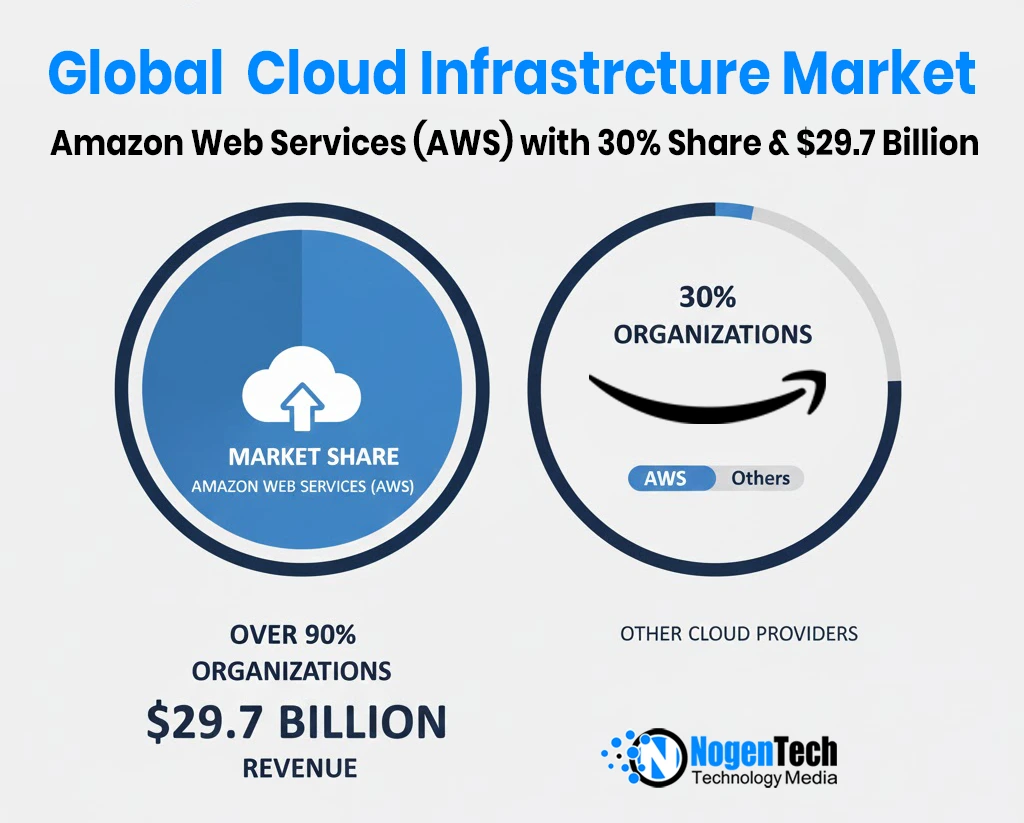
Amazon Web Services (AWS) leads the global cloud infrastructure market with around 30% share, translating to $29.7 billion in dominance. (Visual Capitalist)
10. Government Digitalization
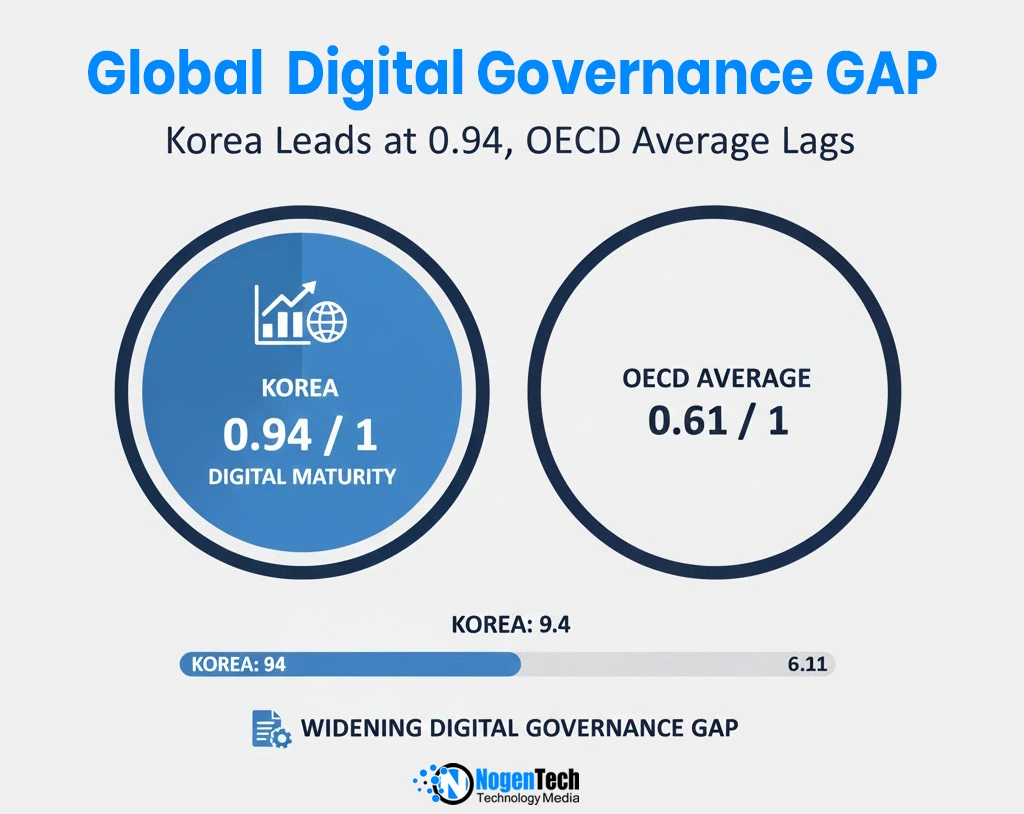
Korea scores 0.94 out of 1 in digital maturity, while the OECD average stalls at 0.61, which exposes a widening digital governance gap. (OECD)
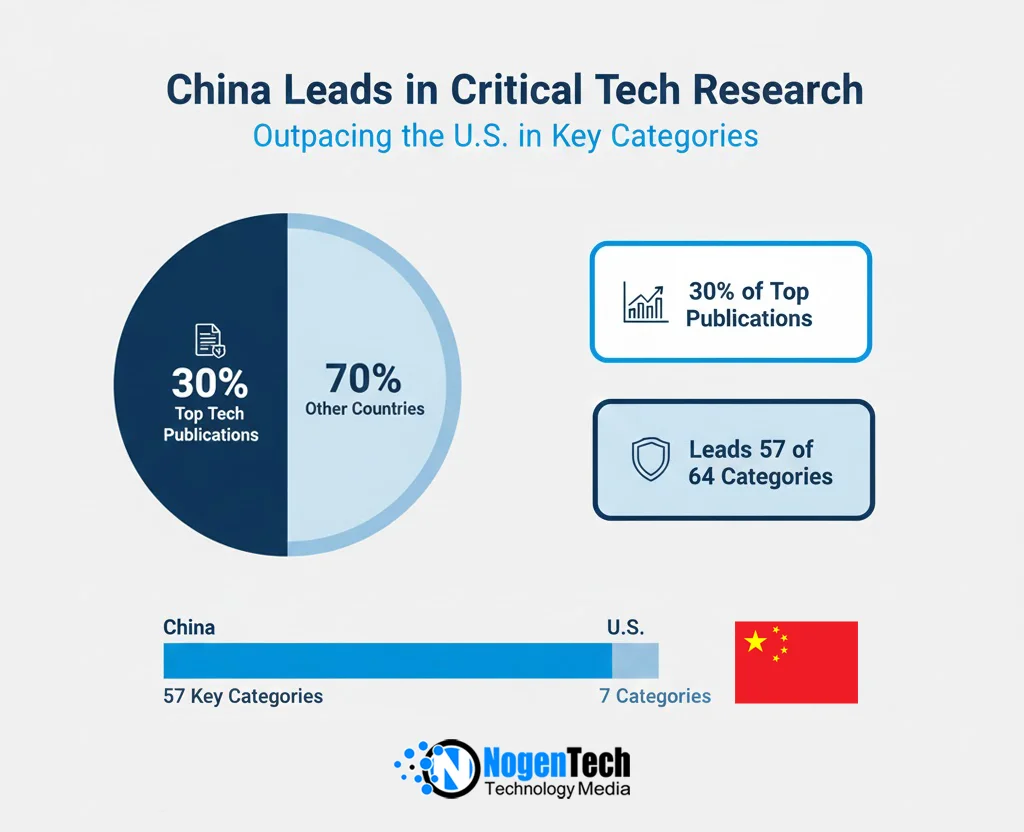
China outpaces the U.S. in critical tech research, commanding 30% of top publications and leading 57 of 64 key categories. (ITIF)
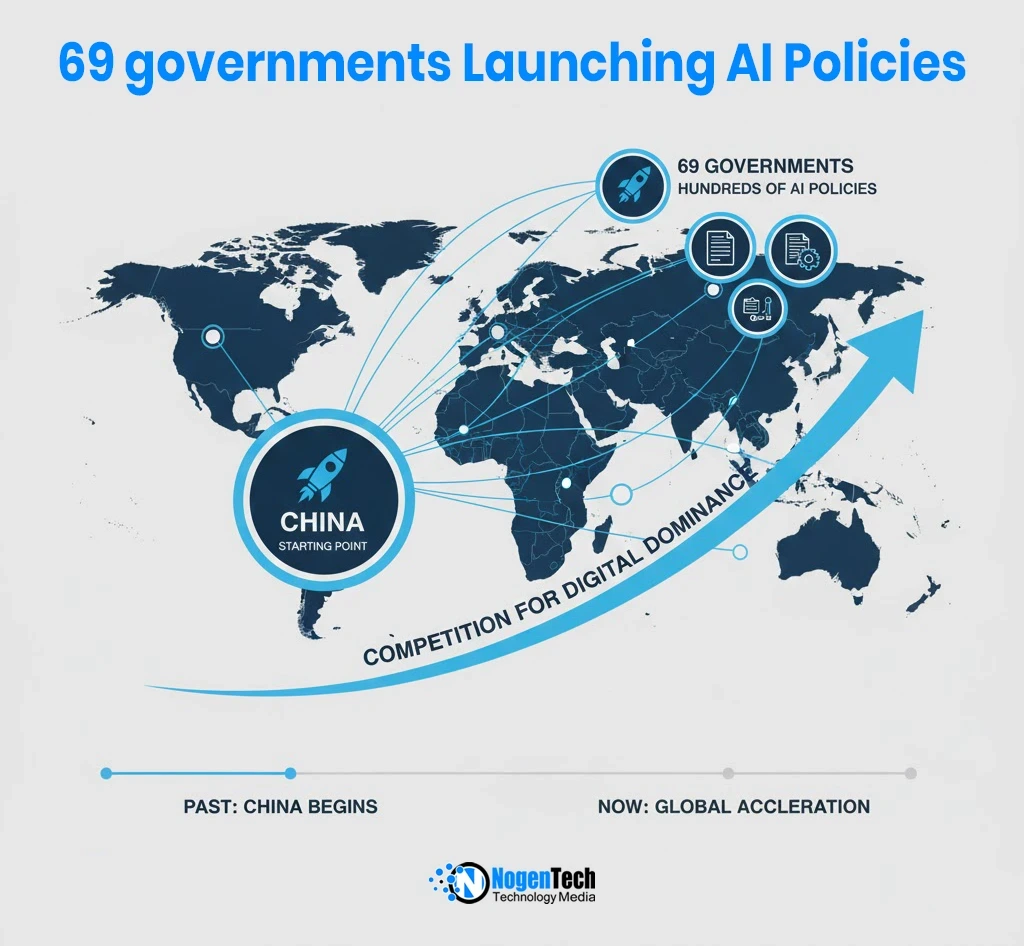
Started with China, and now, 69 governments are moving fast, launching hundreds of AI policies as nations compete for digital dominance. (IBM)
11. AR and VR Technology Adoption
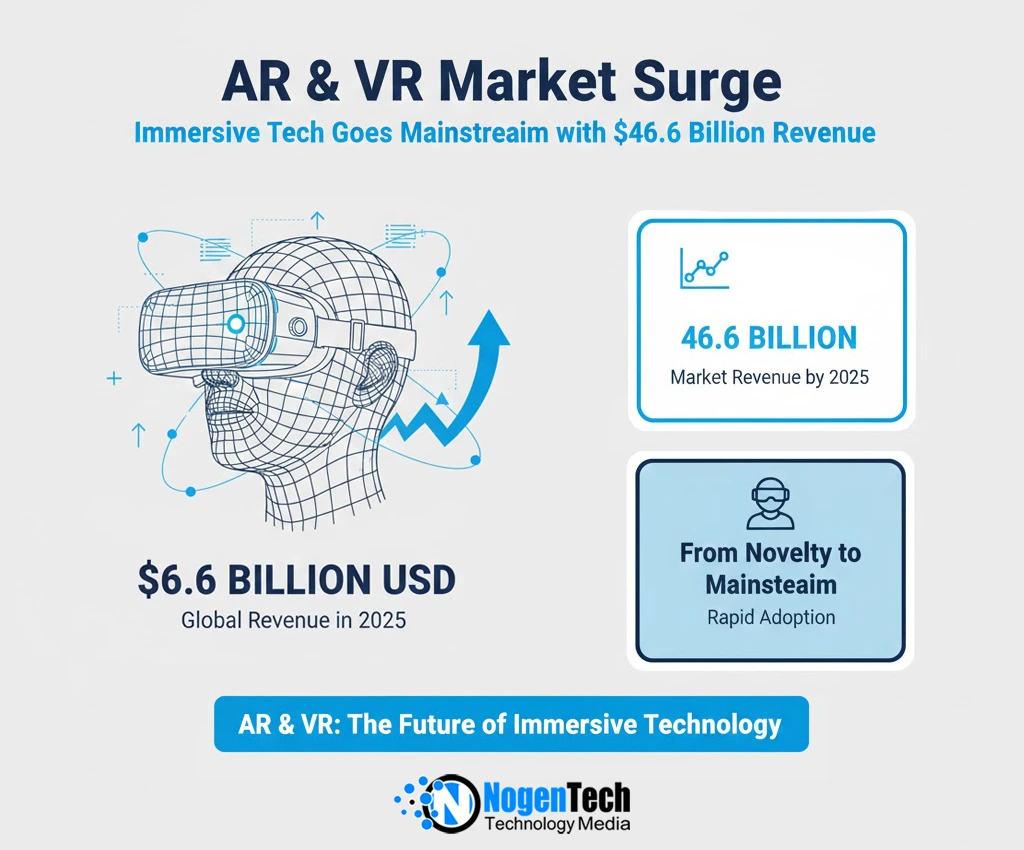
The AR & VR market is surging, with global revenue projected to hit $46.6 billion in 2025, as immersive technology rapidly moves from novelty to mainstream adoption. (Statista)
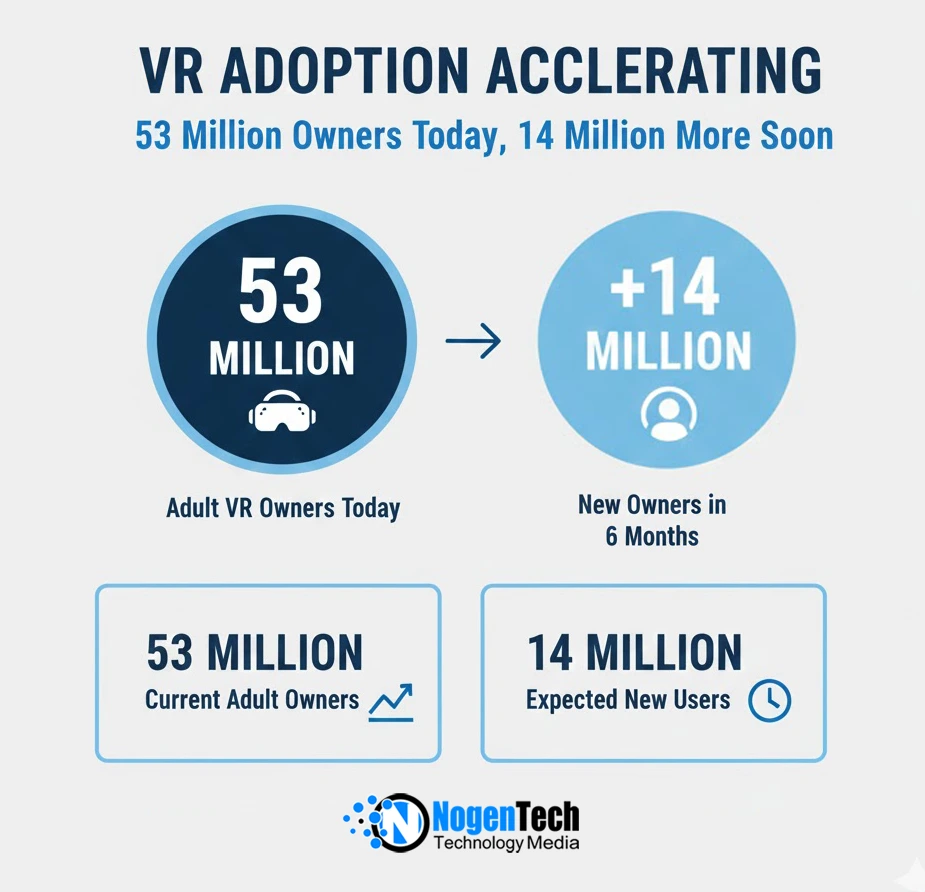
VR adoption is accelerating, with 53 million adult owners today and 14 million more expected to join within six months. (Security.org)
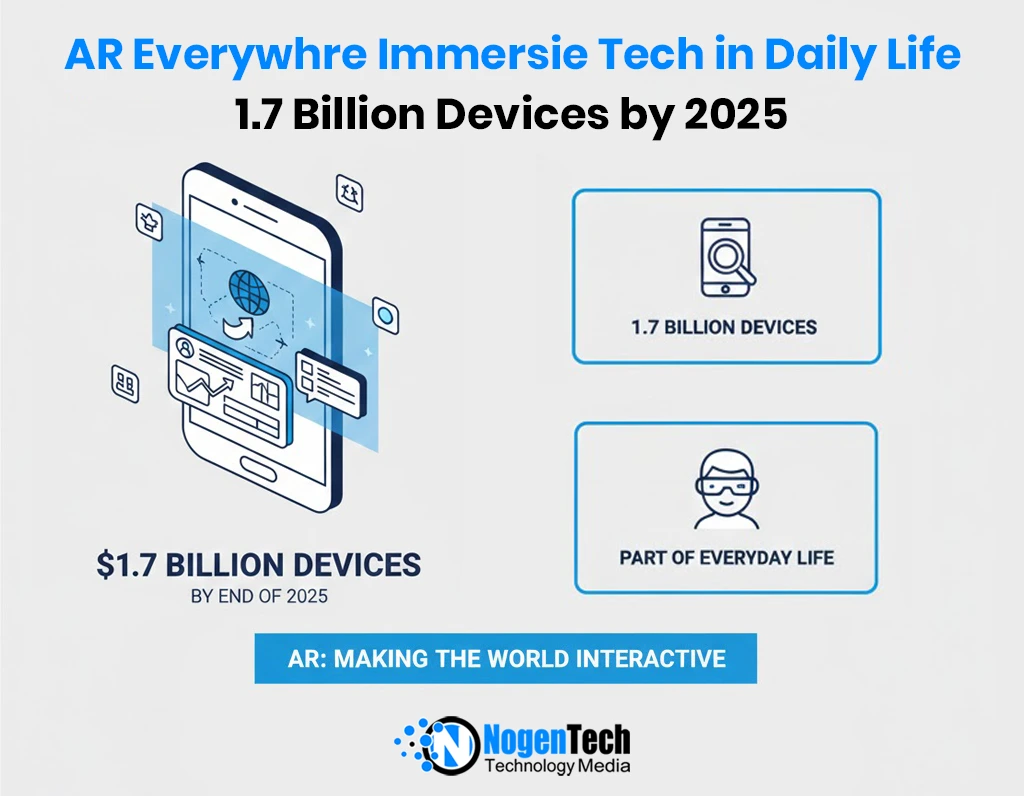
About 1.7 billion devices will support Augmented Reality experiences by the end of 2025, which makes immersive technology part of everyday life. (Image.io)
12. Internet of Things (IoT) Adoption
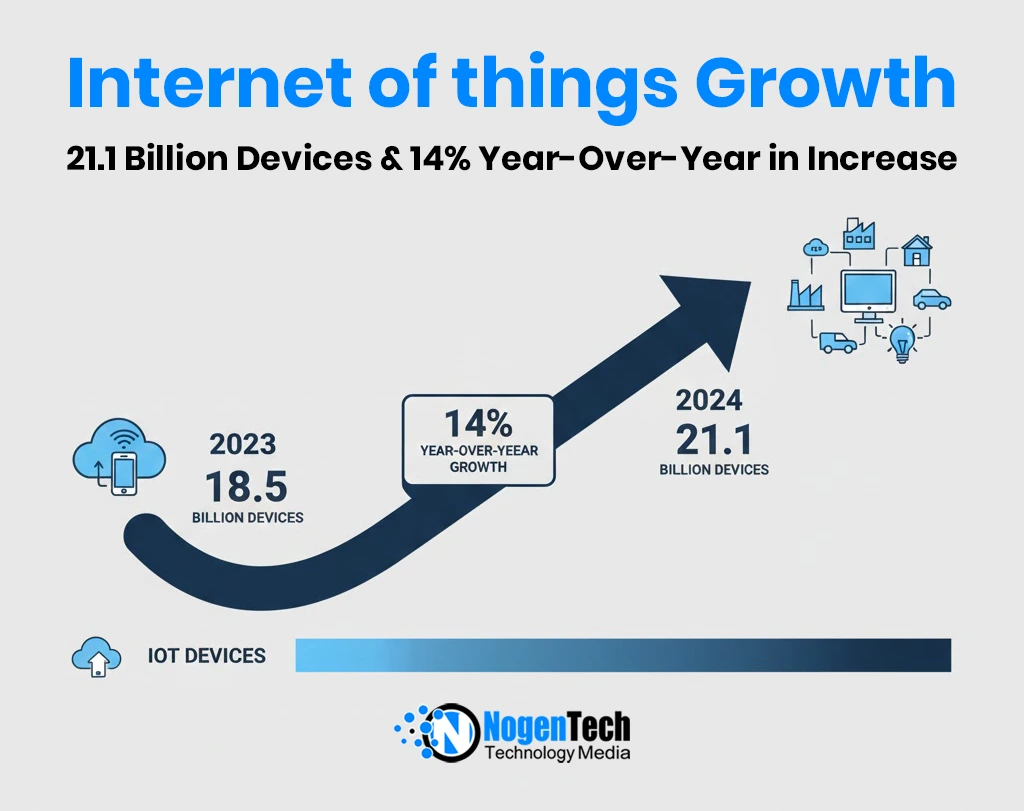
An estimated 21.1 billion IoT devices will be active across the globe, up roughly 14% year-over-year as the Internet of Things reshapes industries and daily life. (IoT Analytics)
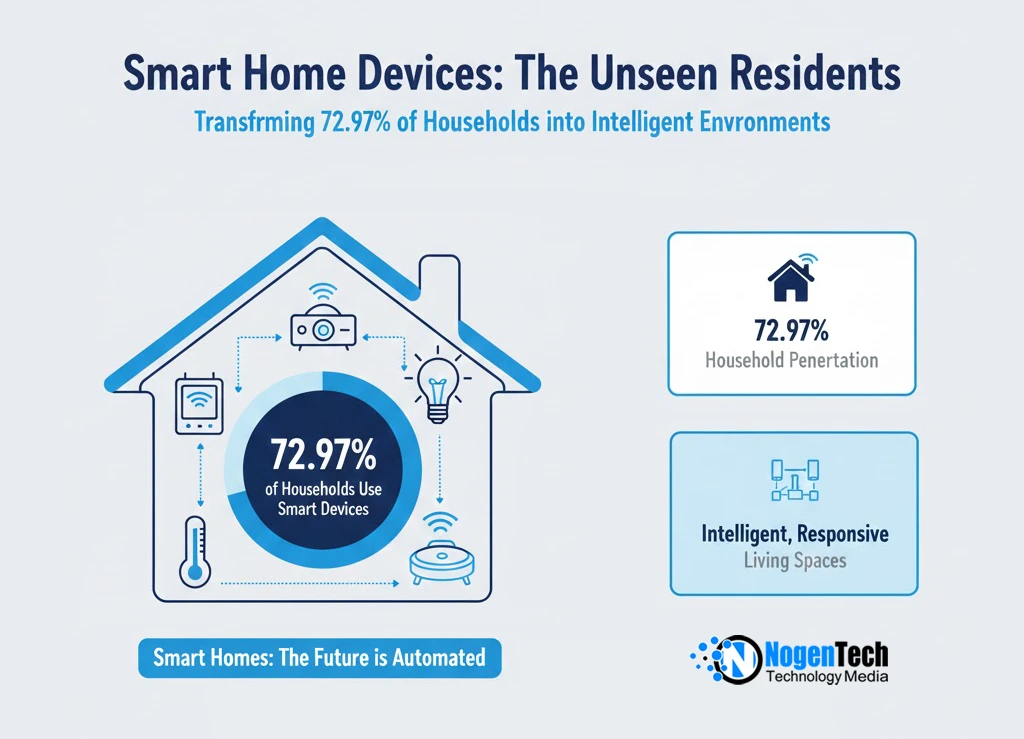
Smart home devices have quietly become the unseen residents of 72.97% of households, transforming ordinary living spaces into intelligent, responsive environments. (Statista)
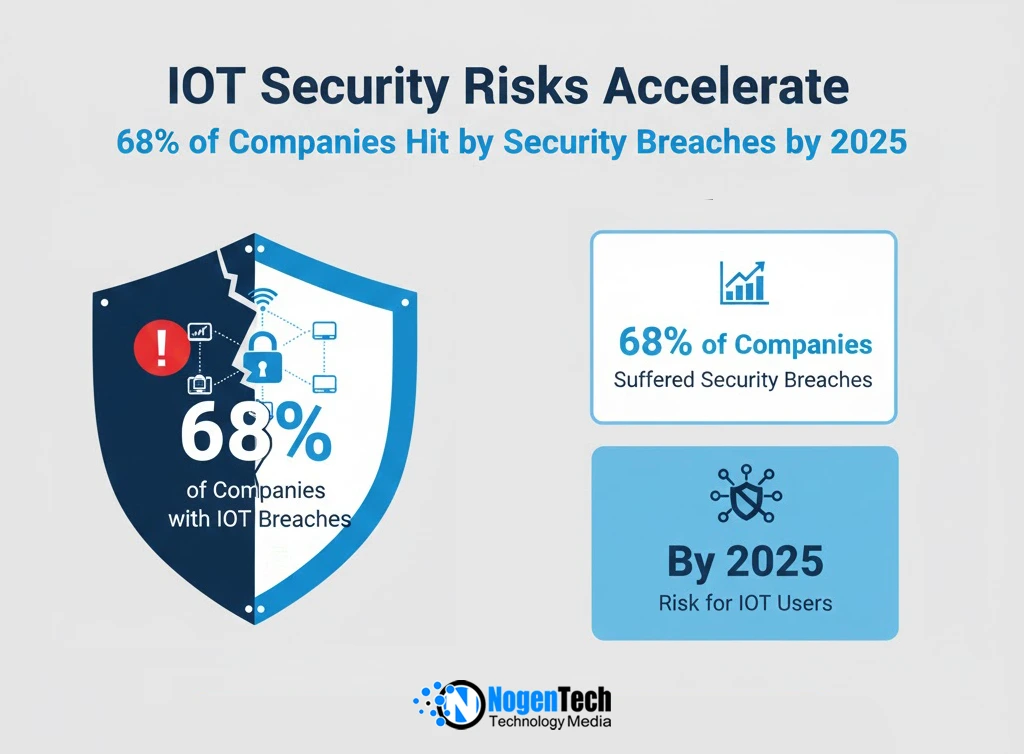
By 2025, the risk is undeniable, 68% of companies using IoT have already suffered security breaches. (Verizon)
Wrapping Up The Tech Adoption Stats
These global statistics make one thing clear: technology adoption is accelerating worldwide, but not evenly. While some countries lead in AI, cloud, digital payments, and government innovation, others are still catching up.
As we move through 2026, advanced technology adoption is no longer optional, but it’s shaping economies, workplaces, and daily life. At NogenTech, we track these shifts to help you understand who’s ahead, what’s changing, and where the world is headed next.





![Top Tech Stories of 10th Week [2026]](https://www.nogentech.org/wp-content/uploads/2026/03/Top-Tech-Stories-of-10th-Week-2026-390x220.webp)