Think all online wallets work the same? Think again.
Paying with your phone at a coffee shop, checking out with PayPal, or sending Bitcoin can feel like similar digital transactions, but each uses a different type of wallet.
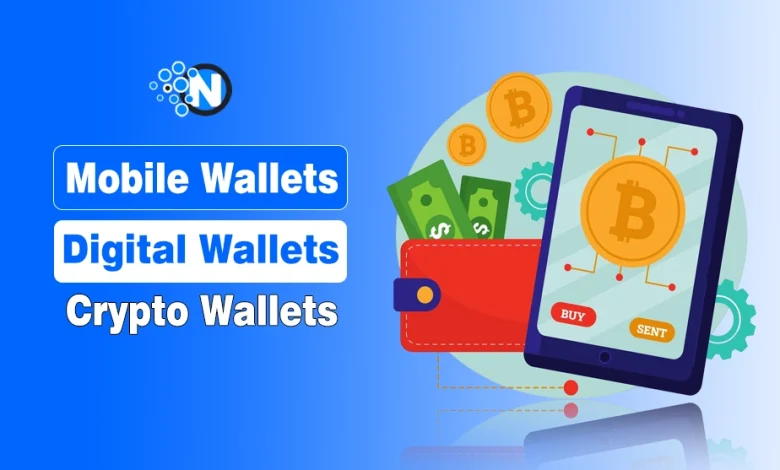
While mobile wallets, digital wallets, and crypto wallets are often confused, they’re built for different purposes:
- Mobile wallets enable contactless, in-store payments using your smartphone.
- Digital wallets simplify online purchases and electronic money transfers.
- Crypto wallets store the private keys that let you access cryptocurrencies like Bitcoin and Ethereum.
Understanding these differences helps you choose the right wallet for everyday payments, online shopping, or managing digital assets. In this guide, I will compare mobile wallet vs digital wallet vs crypto wallet, explain how each works, and help you decide which best fits your needs in 2026.
Quick Comparison: Mobile Wallet vs Digital Wallet vs Crypto Wallet
If you’re short on time, here’s a quick overview of how mobile wallets, digital wallets, and crypto wallets compare. While all three let you manage digital transactions, they’re designed for different purposes, from making contactless payments to shopping online or storing cryptocurrencies.
| Feature | Mobile Wallet | Digital Wallet | Crypto Wallet |
|---|---|---|---|
| Primary purpose | Contactless in-store payments | Online payments and money transfers | Store and manage cryptocurrencies |
| Stores | Credit/debit cards, loyalty cards, tickets | Payment methods, bank accounts, balances | Private keys for crypto assets |
| Works in physical stores | Yes | Sometimes | No |
| Works for online purchases | Sometimes | Yes | Limited (where crypto is accepted) |
| Supports cryptocurrencies | No | Some platforms offer limited support | Yes |
| Examples | Apple Pay, Google Wallet, Samsung Wallet | PayPal, Venmo, Cash App | MetaMask, Coinbase Wallet, Ledger |
| Best for | Everyday contactless payments | Shopping online and sending money | Managing Bitcoin, Ethereum, and other digital assets |
What Is a Mobile Wallet?
A mobile wallet is a secure smartphone app, such as Apple Pay, Google Wallet, or Samsung Wallet, that stores payment cards and lets you make contactless payments at NFC-enabled terminals across the United States.
It securely stores credit cards, debit cards, loyalty cards, transit passes, and digital tickets, eliminating the need to carry a physical wallet.
Mobile wallets use Near Field Communication (NFC) and tokenization to process payments without exposing your actual card number. Most also require Face ID, fingerprint authentication, or a device passcode before approving a transaction.
Beyond contactless payments, many mobile wallets let you store boarding passes, event tickets, and rewards cards, making everyday purchases faster and more convenient.
What Is a Digital Wallet?
A digital wallet is a secure app or online service, such as PayPal, Venmo, or Cash App, that stores payment methods for online purchases and money transfers in the United States.
It securely stores credit cards, debit cards, bank accounts, or wallet balances, allowing you to pay online, transfer money, and manage recurring payments without re-entering your payment details.
Most digital wallets also support peer-to-peer (P2P) payments, digital receipts, and subscription management, making them a convenient choice for everyday online transactions.
What Is a Crypto Wallet?
A crypto wallet is a software or hardware wallet, such as MetaMask, Coinbase Wallet, or Ledger, that stores the private keys used to access cryptocurrencies like Bitcoin and Ethereum.
A crypto wallet doesn’t store cryptocurrencies themselves. Instead, it securely stores your public and private keys, which verify ownership and authorize transactions on a blockchain.
Crypto wallets are available as:
- Hot wallets – Internet-connected wallets for trading, payments, and decentralized applications (dApps).
- Cold wallets – Offline hardware devices designed for long-term cryptocurrency storage and enhanced security.
Many crypto wallets also support NFTs, multiple blockchain networks, and DeFi applications, allowing you to send, receive, store, and manage digital assets from a single interface.
If you’re completely new to this space, checking out the 7 best crypto wallets for beginners is a great starting point before picking your first app or hardware device.
Mobile Wallet vs Digital Wallet
A mobile wallet like Apple Pay or Google Wallet enables contactless payments, while a digital wallet like PayPal stores payment methods for online purchases and money transfers.
A mobile wallet is a type of digital wallet built for tap-to-pay transactions using Near Field Communication (NFC).
Digital wallets have a broader scope, supporting online shopping, peer-to-peer (P2P) transfers, bill payments, subscriptions, and digital account management.
| Feature | Mobile Wallet | Digital Wallet |
|---|---|---|
| Primary purpose | Contactless in-store payments | Online payments and money transfers |
| Works on | Smartphones and smartwatches | Mobile apps and web platforms |
| Payment method | NFC tap-to-pay | Card- or account-based payments |
| Examples | Apple Pay, Google Wallet, Samsung Wallet | PayPal, Venmo, Cash App |
| Best for | Everyday retail purchases | Online shopping, bill payments, and P2P transfers |
Choose a mobile wallet for fast in-store payments, and choose a digital wallet if you mainly shop online, pay bills, or send money electronically.
Digital Wallet vs Crypto Wallet
A digital wallet like PayPal manages traditional payments, while a crypto wallet like MetaMask stores private keys for cryptocurrencies such as Bitcoin and Ethereum.
The primary difference is the assets they manage. Digital wallets store payment methods, fiat balances, and bank-linked accounts for online purchases, bill payments, and peer-to-peer (P2P) transfers.
Crypto wallets store private keys that verify ownership and authorize transactions on blockchain networks.
| Feature | Digital Wallet | Crypto Wallet |
|---|---|---|
| Stores | Payment methods and fiat balances | Private keys for crypto assets |
| Supports | Traditional currencies | Cryptocurrencies and blockchain assets |
| Requires a bank | Usually | No |
| Examples | PayPal, Venmo, Cash App | MetaMask, Coinbase Wallet, Ledger |
| Best for | Online payments and money transfers | Managing cryptocurrencies and blockchain assets |
Choose a digital wallet for everyday online payments, and choose a crypto wallet to securely store, send, and manage digital assets or access DeFi and NFT applications.
Beyond basic storage, modern crypto wallets are actively bridging the gap between digital assets and everyday utility, playing a major role in fueling real-world crypto adoption.
Can a Crypto Wallet Be a Mobile Wallet?
Yes. MetaMask, Trust Wallet, and Coinbase Wallet are mobile crypto wallets that let you securely manage Bitcoin, Ethereum, and other cryptocurrencies from your smartphone.
A mobile crypto wallet is simply a crypto wallet available as a mobile app. It stores your private keys, enabling you to send, receive, and manage digital assets while connecting to blockchain networks.
Unlike Apple Pay or Google Wallet, which process contactless card payments, mobile crypto wallets are designed for cryptocurrency transactions and support dApps, DeFi platforms, and NFTs.
Choose a mobile crypto wallet if you need on-the-go access to digital assets. For everyday card payments in the United States, a traditional mobile wallet is the better choice.
Read more: If you’ve decided a blockchain wallet fits your strategy but aren’t sure which features to prioritize, read NogenTech’s full breakdown on how to choose the right crypto wallet based on your personal needs.
Security Tips for Every Wallet Type
Protecting your mobile wallet, digital wallet, or crypto wallet starts with strong account security, trusted apps, and safe payment practices to reduce the risk of fraud and unauthorized access.
Security becomes even more vital if you hold specific high-value assets. For example, if ETH makes up a large part of your portfolio, you’ll want to look specifically at the best wallets to securely store Ethereum to ensure maximum protection.
Regardless of the wallet you use, follow these best practices:
- Enable two-factor authentication (2FA) whenever it’s available.
- Use Face ID, Touch ID, or a strong device passcode to secure your wallet.
- Download wallet apps only from official sources, such as the Apple App Store or Google Play.
- Keep your wallet and device updated to receive the latest security patches.
- Never share your crypto wallet’s recovery phrase or private keys with anyone.
- Verify payment requests and wallet addresses before sending money or cryptocurrency.
- Avoid public Wi-Fi when accessing sensitive financial accounts unless you’re using a trusted VPN.
Following these practices helps protect your personal information, payment credentials, and digital assets from phishing attacks, malware, and unauthorized transactions.
Frequently Asked Questions About Digital Wallets
Is a mobile wallet the same as a digital wallet?
No. A mobile wallet like Apple Pay is a type of digital wallet designed for contactless payments, while digital wallets like PayPal also support online payments and money transfers.
Is Apple Pay a mobile wallet or a digital wallet?
Apple Pay is a mobile wallet and part of the broader digital wallet category, allowing secure contactless payments with supported credit and debit cards in the United States.
Is PayPal a digital wallet?
Yes. PayPal is one of the most widely used digital wallets for online shopping, bill payments, and peer-to-peer money transfers in the United States.
Can I use a crypto wallet on my phone?
Yes. Mobile crypto wallets like MetaMask, Trust Wallet, and Coinbase Wallet let you securely manage Bitcoin, Ethereum, and other cryptocurrencies from your smartphone.
Can I store cryptocurrency in Apple Pay?
No. Apple Pay doesn’t store cryptocurrencies. Use a crypto wallet like MetaMask, Coinbase Wallet, or Ledger to securely manage Bitcoin, Ethereum, and other digital assets.
Are mobile crypto wallets safe?
Yes, reputable mobile crypto wallets are generally safe when protected with biometrics, two-factor authentication (2FA), and secure recovery phrase storage.
What is the difference between a crypto wallet and a fiat wallet?
A crypto wallet stores private keys for blockchain assets like Bitcoin, while a fiat wallet manages traditional currencies through banks or payment services like PayPal.
Which wallet is best for everyday payments?
A mobile wallet like Apple Pay or Google Wallet is the best choice for everyday contactless payments.
Final Thoughts: Which Wallet Should You Choose?
Choose a mobile wallet for contactless payments, a digital wallet for online transactions, or a crypto wallet for managing Bitcoin, Ethereum, and other digital assets.
Choose a Mobile Wallet If You:
Use a mobile wallet like Apple Pay, Google Wallet, or Samsung Wallet if you frequently make contactless payments in stores or want quick access to payment cards, boarding passes, tickets, and loyalty cards from your smartphone.
Choose a Digital Wallet If You:
You should choose a digital wallet like PayPal, Venmo, or Cash App if you regularly shop online, pay bills, or send money through peer-to-peer (P2P) transfers.
Choose a Crypto Wallet If You:
A crypto wallet like MetaMask, Coinbase Wallet, Trust Wallet, or Ledger is best if you buy, store, or transfer cryptocurrencies or use DeFi and NFT applications.
Many people use more than one wallet. For example, you might use Apple Pay for in-store purchases, PayPal for online payments, and MetaMask to manage cryptocurrency.