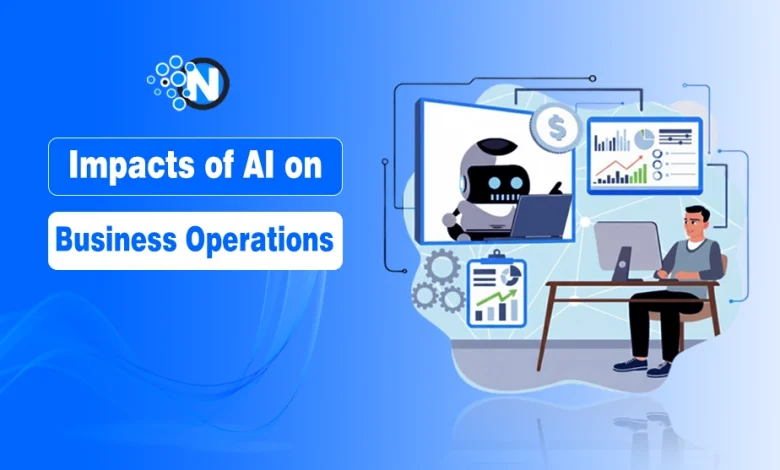
What if I told you your biggest competitor isn’t another company, but it’s the business using Artificial Intelligence (AI) faster than you?
Because right now, AI is quietly advancing operations in ways even seasoned leaders and entrepreneurs didn’t expect. AI is affecting the business sector incredibly as it guides brands to work in a way that achieves more success with its vast applications.
The data obtained by AI tools helps brands identify current market trends and design products people are searching for. Nowadays, AI has become a necessity for businesses that they can’t ignore for their own good. That’s why I’ve put together this guide to help you understand how AI will advance your business operations.
How Does AI Affect Business Operations?
Here are the top ten most significant impacts of artificial Intelligence on business operations that will surely help you increase your brand’s productivity and revenue.
1. AI Automates Repetitive Tasks
Artificial Intelligence (AI) handles routine tasks faster than humans with just instructions and without human intervention. This helps businesses automate several tasks, like data entry, scheduling, reporting, and administrative work.
With the help of AI automation, human teams gain more time to focus on real, intelligent tasks. Operations become leaner and error-free because AI will make the mundane tasks so authentic that to can be approved. Efficiency rises across departments.
2. Higher Operational Efficiency
AI uses tools to automate slow processes with the help of algorithms and coding that reduce manual work and remove repetitive tasks. This helps businesses save time, reduce errors, and streamline operations. Teams can focus on strategy instead of routine chores.
AI tools generally work through machine learning algorithms and are operated by computerized robots. Thus, the data they provide has very little or no risk of misconception. There is a considerable risk of error in the information from human resources, which may affect your marketing content badly.
3. Improved Customer Experience
Businesses can use AI-powered chatbots and virtual assistants to respond to customer queries instantly. Further, they provide accurate answers 24/7 without any payment and usually are free because businesses need to cut their cost.
Customers get smoother, personalized support from the brand, for which they refer their relatives and friends to the brand. This leads to higher satisfaction and long-term loyalty. But as they are machines and they sometimes make mistakes, so check the flaws and how you will be able to improve them.
4. AI Boosts Business Productivity
AI reduces manual work and accelerates workflows by handling time-consuming operations automatically. Employees spend less time on low-value tasks to focus on several tasks worth considering. Teams become more productive and creative with the help of large data consumption.
AI uses its insights to understand customers’ demands quickly and will show the most personalized recommendation to them. This way, businesses can improve the customers’ experience, and ultimately, it will positively impact their revenue.
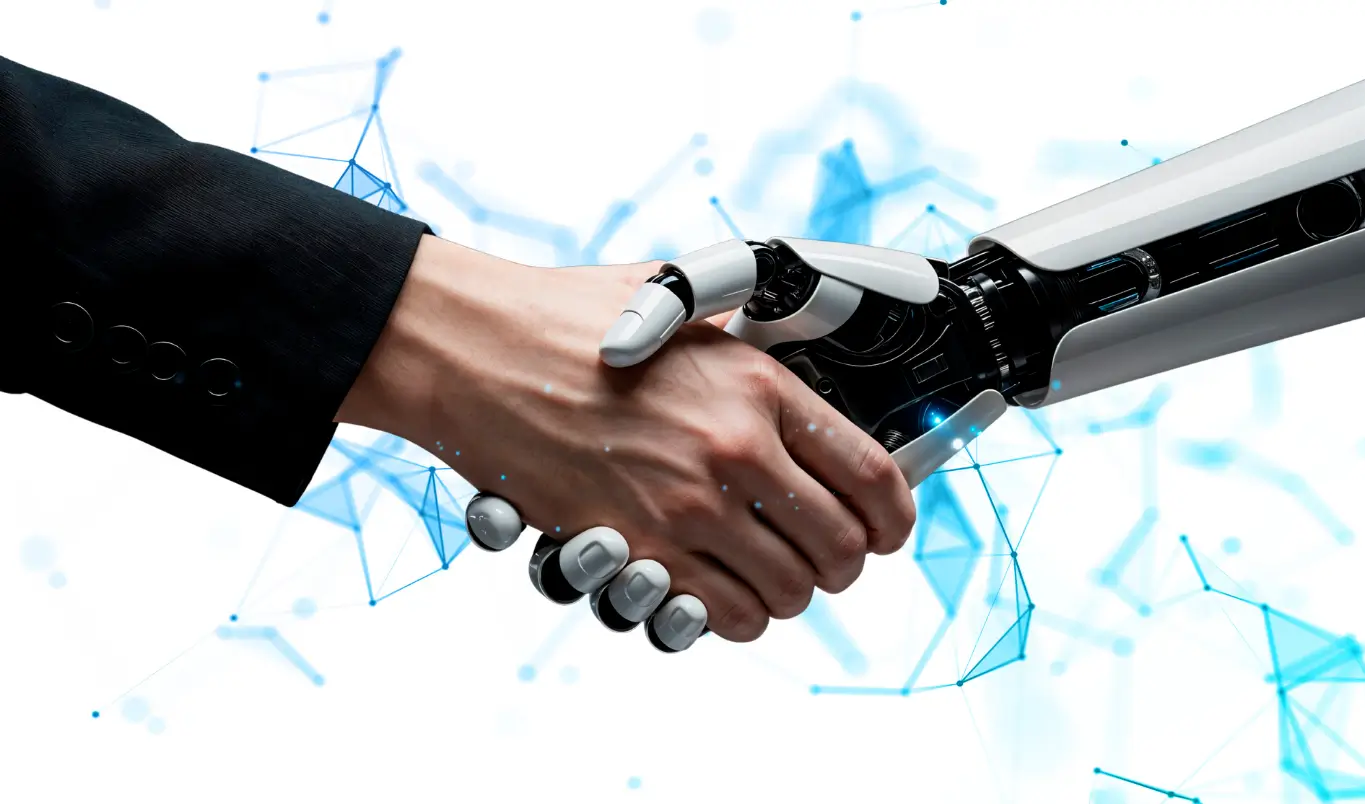
64% of businesses believe that AI will improve their business connections with their customers.
60% of businesses believe that Artificial Intelligence is the opportunity they’ve to boost their productivity.
5. AI Strengthens Cybersecurity
AI detects threats long before they cause real damage, as it continuously monitors networks, user activity, and system behavior. When something unusual happens, a strange login, a suspicious file, or abnormal data movement, AI flags it instantly.
Modern AI security tools don’t wait for an attack. They predict it and analyze billions of signals in real time and identify patterns humans may never notice. Cyberattacks are growing fast, and manual security alone can’t keep up.
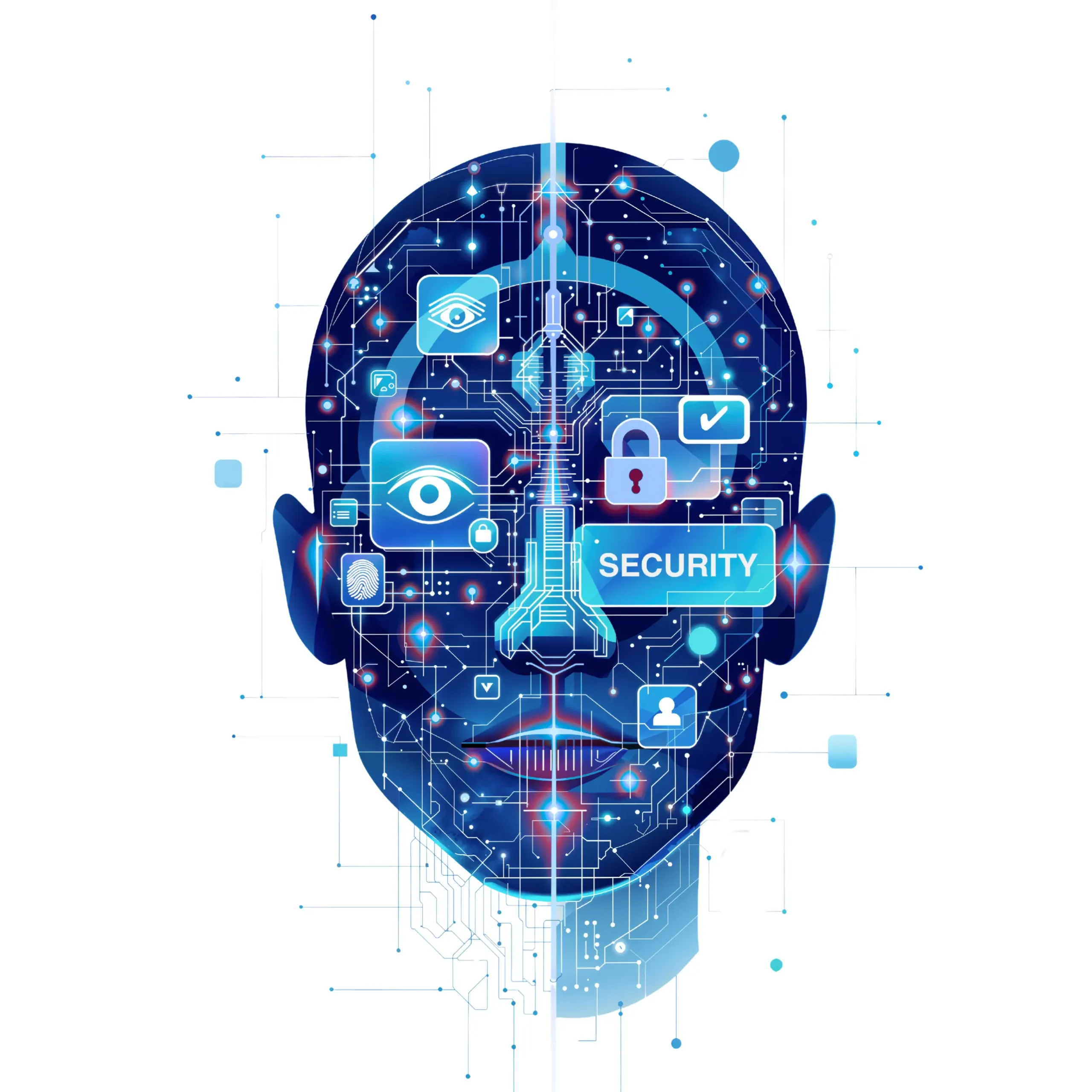
Over 55% of companies now use AI to strengthen cybersecurity, detect fraud, and reduce risk.
This is the future of cybersecurity that businesses can use to protect their brands from cyberattackers. Sometimes, AI makes scams, which is an advanced form of cyberattacking and is hard to recognize for a human.
6. AI Optimizes Supply Chain Operations
AI strengthens the supply chain from end to end. It predicts demand with higher accuracy by analyzing sales trends, seasonal shifts, and real-time market activity. This helps companies plan better and avoid unexpected stockouts. AI also identifies delays before they disrupt operations.
It monitors shipping routes, supplier performance, and logistics timelines. When a delay is likely, the system alerts teams early, which gives them time to adjust schedules or reroute shipments. That’s how AI will help you optimize your supply chain operations.
7. AI Improves Quality Control
AI scans products, components, and processes with extreme precision, and it uses cameras, sensors, and machine-learning models to spot defects that human eyes often miss. AI doesn’t just detect issues, but it detects them earlier to save businesses from loss.
It can flag tiny imperfections during production, long before they become costly problems later in the supply chain. This early detection reduces error rates significantly. Fewer defects mean fewer returns, fewer recalls, and fewer delays. Production lines run smoothly, with less waste and less rework.
8. AI Personalizes Marketing
AI studies customer behavior, interests, and buying habits with remarkable accuracy. It analyzes browsing patterns, past purchases, search behavior, and engagement signals to understand what each customer truly wants. With these insights, AI creates highly targeted campaigns that feel personal and relevant rather than generic.
Customers receive product recommendations, messages, and offers that match their needs and timing, which naturally leads to higher engagement. As personalization improves, conversions increase, customer satisfaction rises, and marketing teams get more out of every dollar they spend.
9. AI Reduces Operational Costs
AI helps businesses cut costs by automating repetitive tasks and improving overall accuracy. Manual errors, which often lead to wasted resources or rework, are significantly reduced when AI monitors processes in real time.
Fewer delays occur because AI predicts bottlenecks, optimizes scheduling, and ensures smoother workflows across departments. Companies also make smarter use of resources, from inventory and energy to personnel allocation, by relying on AI-driven insights rather than guesswork.
Over time, these improvements not only reduce operational expenses but also enhance productivity and performance, which gives businesses a measurable competitive advantage.
10. AI Supports Innovation
AI enables teams to experiment faster and more efficiently than ever before. By running simulations and predicting potential outcomes it allows businesses to test new ideas without the high costs or risks associated with traditional trial-and-error methods.
Product development cycles become shorter, and teams can explore more creative solutions with confidence. AI also identifies patterns and opportunities in data that humans might overlook, inspiring innovations that are both practical and forward-thinking.
As a result, businesses bring new products and smarter, more personalized services to the market faster, which maintains a competitive edge in fast-changing industries.
Final Thoughts on AI Integration into Business
AI is impacting business operations at every level. It boosts productivity, reduces errors, and streamlines workflows. Customer experiences improve through personalization and faster service with 24/7 service while cutting the business cost.
Businesses that adopt AI gain a competitive edge, innovate faster, and make smarter, data-driven decisions. Today, AI isn’t optional, but it has become the backbone of operational excellence and sustainable growth for modern businesses.