- Digital learning has transformed home layouts and routines
- Central learning hubs improve supervision and organization
- Reliable internet & multi-screen setups improve productivity and focus
- Parental controls help manage distractions effectively
- Homes are evolving into integrated learning environments
Digital learning has quietly reshaped the way family homes are organized. What used to be a clear boundary between school and home has blurred. Classrooms now exist through screens—on kitchen counters, bedroom desks, and shared workspaces.
Learning no longer happens in a single place. It flows through video platforms, assignment portals, digital textbooks, and collaboration tools. As a result, technology is no longer just a homework aid—it has become essential daily infrastructure inside the home.
From practical experience, many families only begin to notice this shift when small issues arise: weak Wi-Fi during a live class, not enough outlets for devices, or a cluttered desk that makes studying harder than it should be.
In this blog post, you will learn how these challenges lead to deliberate changes in how homes are set up for learning.
The Rise of Shared Digital Learning Hubs
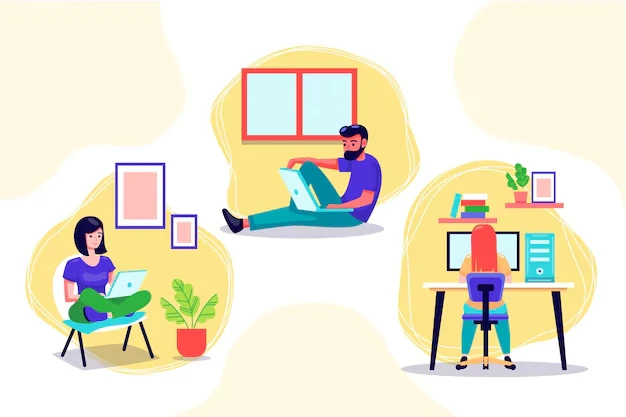
One of the most noticeable changes is the move toward centralized learning spaces. Instead of isolating students in bedrooms, many families now set up shared learning hubs in:
- Kitchens
- Dining areas
- Open living spaces
These hubs typically include laptops, tablets, charging docks, and sometimes a shared screen. This setup offers a practical balance:
- Parents can supervise without hovering
- Students stay connected to the household environment
- Devices and materials remain organized in one place
In real-world use, central hubs reduce friction—no more searching for chargers or switching rooms for different tasks.
Why Connectivity Becomes Critical
Once multiple devices are active in one space, internet performance becomes a key factor. Families quickly realize that:
- Router placement affects learning quality
- Signal strength impacts live classes
- Network stability is essential for collaboration tools
Reliable home internet shifts from a convenience to a core requirement for daily learning, as it is the backbone of the shared learning hub
Multi-Screen Learning Is Becoming the Norm
A single device is rarely enough for modern digital learning. A typical setup often includes:
- A laptop for virtual classes
- A second screen for research or documents
- A tablet for notes or reading
Students move between screens to manage lessons, assignments, and discussions simultaneously. As my personal experience when learning digital marketing remotely, this setup:
- Reduces constant tab-switching
- Improves focus
- Makes multitasking more efficient
As a result, families begin upgrading desks, adding monitor stands, and organizing cables to support these setups.
Managing Distractions with Parental Controls
With learning and entertainment on the same devices, distractions are inevitable. To manage this, many families introduce structured digital boundaries through parental control systems. These tools allow parents to:
- Monitor app and website usage
- Block distractions during study hours
- Set internet schedules
Instead of constant supervision, parents rely on systems that guide behavior in the background. In practice, this creates a healthier balance:
The Continued Role of Compact Printers
Even in a digital-first environment, physical materials still have a place. Families often rely on compact wireless printers for:
- Worksheets
- Draft essays
- Reading materials
- School forms
Unlike the past, printing is no longer routine—it’s purpose-driven. Wireless functionality makes it seamless:
- Print directly from cloud platforms
- Access from multiple devices
- Avoid complicated setup
Printers now act as support tools, not central fixtures.
Ergonomics Are No Longer Optional
As screen time increases, comfort becomes a real concern. Many families notice that long hours on laptops lead to:
- Poor posture
- Neck strain
- Hand discomfort
To address this, home setups now include:
- Laptop stands
- External keyboards
- Adjustable chairs
From experience, even small ergonomic improvements can significantly enhance:
- Focus
- Comfort
- Productivity
What started as temporary fixes has become a standard part of home learning environments.
Final Thoughts: Homes Are Becoming Learning Ecosystems
Digital learning is not just changing education—it’s changing how homes function. Family spaces are evolving into hybrid environments where learning, work & daily life all exist side by side.
The biggest shift isn’t just about adding devices—it’s about intentionally designing spaces that support learning. And as digital education continues to grow, one thing is clear:
Most effective home setups are not the most expensive ones—they are the ones designed around how students actually learn every day.