Buying a used luxury car requires more than checking its appearance, mileage, and performance during a test drive. Expensive mechanical repairs, hidden electronic faults and incomplete service records can turn an attractive deal into a costly purchase.
Modern prestige vehicles also have complex suspension, braking and electronic systems that need specialist attention. Whether you’re buying from a dealership or a private seller, knowing what to inspect can help you avoid unexpected expenses. Here are eight essential checks to complete before purchasing a used luxury car.
1. Verify the VIN and Vehicle History
Start by matching the Vehicle Identification Number (VIN) and odometer reading against the advertisement and registration documents. Any discrepancy should be explained before proceeding.
In Australia, buyers can conduct a Personal Property Securities Register (PPSR) search using the VIN. It identifies registered security interests and provides available stolen and written-off vehicle information.
A PPSR search does not establish mechanical reliability. Use it alongside the vehicle’s maintenance records and a physical inspection.
2. Review Digital Service Records
Many modern luxury cars maintain electronic service histories that record scheduled maintenance and repairs.
Request the vehicle’s digital service history and any available itemized invoices. Compare them against the manufacturer’s recommended maintenance schedule, paying particular attention to missing services and major repairs.
Check whether required transmission servicing, brake fluid changes and other model-specific maintenance have been completed.
For example, the Carsales used BMW 3 Series E90 buying guide identifies service history, oil changes and outstanding recalls among its purchase checks.
Missing records do not automatically indicate poor maintenance, but they make it harder to establish how the vehicle has been cared for.
3. Check for Previous Accident Damage
Inspect the exterior for uneven panel gaps, mismatched paint, overspray, and signs of previous repairs.
A paint thickness gauge can help identify panels that may have been repainted or repaired, although measurements must be interpreted according to the vehicle’s materials and factory finish.
Look closely at structural components and request documentation for any previous accident repairs.
Minor cosmetic repairs may have little effect on a car’s usability. Poorly repaired structural damage or compromised safety systems require more serious consideration.
4. Run a Comprehensive Diagnostic Scan
Modern luxury vehicles contain multiple electronic control modules that manage the engine, transmission, braking, suspension and safety systems.
Some faults are stored electronically without activating dashboard warning lights. A basic OBD-II scanner may only access standard engine and emissions information, leaving other systems unchecked.
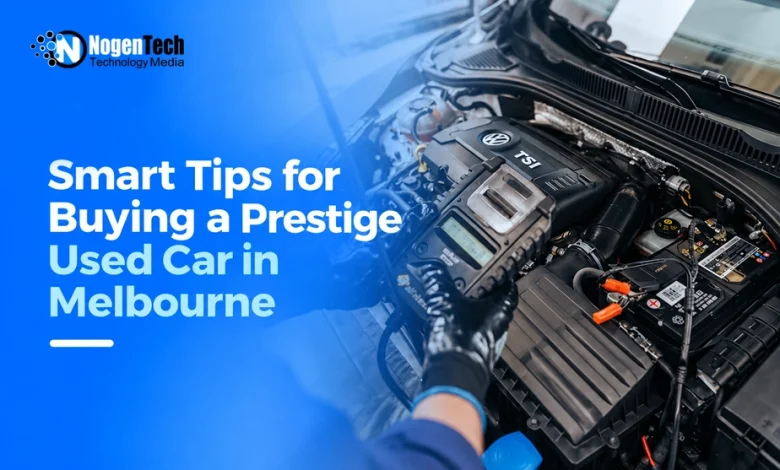
A comprehensive diagnostic scan using equipment compatible with the vehicle can reveal stored fault codes and help identify problems requiring further investigation.
For European and prestige vehicles, a pre-purchase car inspection in Melbourne can help buyers assess mechanical and electronic condition. Confirm that the inspection includes an appropriate diagnostic scan and underbody examination before booking.
A scan should complement a physical inspection and road test. It cannot detect every mechanical problem, particularly faults that occur only under specific driving conditions.
5. Inspect the Suspension and Underbody
A hoist inspection can reveal problems that are difficult to identify during a short test drive.
Have the inspector examine suspension bushings, steering components, shock absorbers, fluid leaks, corrosion and signs of underbody impact damage.
Pay particular attention to air suspension and adaptive damping systems, which can be expensive to repair. Check for leaking air springs, damaged suspension components and relevant electronic faults.
6. Test Electronic Safety and Driver Assistance Systems
Luxury vehicles often include adaptive cruise control, lane-keeping assistance, automatic emergency braking and advanced parking systems. As AI features in luxury cars become more sophisticated, checking that these technologies function correctly is an increasingly important part of a pre-purchase inspection.
Check that the available features operate correctly and that no relevant warning messages appear on the dashboard.
Ask whether cameras and radar sensors have been recalibrated following previous accident repairs or windscreen replacements.
Also check for outstanding manufacturer recalls and applicable software updates. Connected vehicle systems introduce additional considerations, including those discussed in Nogentech’s guide to vehicle cybersecurity and digital threats.
Safety-critical driver assistance systems should be assessed using manufacturer-approved procedures.
7. Examine Tires, Brakes and Engine Condition
Check the tyres for adequate tread depth, damage and uneven wear. Irregular wear may indicate incorrect alignment or worn suspension components.
Inspect the brake pads, rotors and callipers for wear or damage. Performance vehicles may use specialised braking components that are costly to replace.
Under the bonnet, check for oil and coolant leaks, damaged hoses and deteriorating seals.
During the road test, pay attention to unusual engine noises, hesitation, vibration and transmission behaviour. Any concerning symptoms should be investigated before purchase.
8. Calculate Upcoming Maintenance Costs
A car can be mechanically sound today and still require expensive maintenance shortly after purchase.
Compare its age and mileage against the manufacturer’s service schedule. Identify upcoming work such as transmission servicing, brake replacement, timing belt replacement on applicable engines, and suspension repairs.
For vintage luxury vehicles, also consider the availability of replacement parts and access to mechanics familiar with older engines and electrical systems.
Request a written inspection report that distinguishes immediate faults from developing problems and scheduled maintenance.
Use the findings to obtain repair estimates and calculate the likely cost of ownership. This will also help you assess whether the asking price reflects the vehicle’s condition.
Finally, a comprehensive inspection should cover the electronic systems, bodywork, suspension, underbody, engine, and brakes. Compare the findings with the manufacturer’s maintenance schedule and the asking price to identify potential costs before committing to the purchase.