Have you ever checked your credit score and felt lost? It’s frustrating when a three-digit number affects loans, mortgages, or job offers. With rising interest rates in this modern age, understanding your score is necessary. It’s more like a compass, one that can guide you toward better financial opportunities when you know how to read it.
In this blog post, I will discuss in detail how scores work, what affects them, and provide practical ways so you can improve your score with confidence.
What Is Credit Score? Your Financial Report Card Explained
Credit score is a three-digit report card for your entire financial history. Lenders use it to get an idea of how well you’ve managed your cash in the past. Scores usually run from 300 to 850 and are based on the info in your credit reports from places such as Experian, Equifax, or TransUnion – the three main credit reference agencies.
Payment history, how much debt you’re in, and how long you’ve been using credit are probably the most important things to keep an eye on. If your score is north of 700, you’re generally going to be seen as a pretty safe bet. This helps out in lots of ways, like you getting better interest rates on loans, lower monthly payments, and easier access to rentals, insurance, and all sorts of other things.
How Credit Scores Are Calculated?
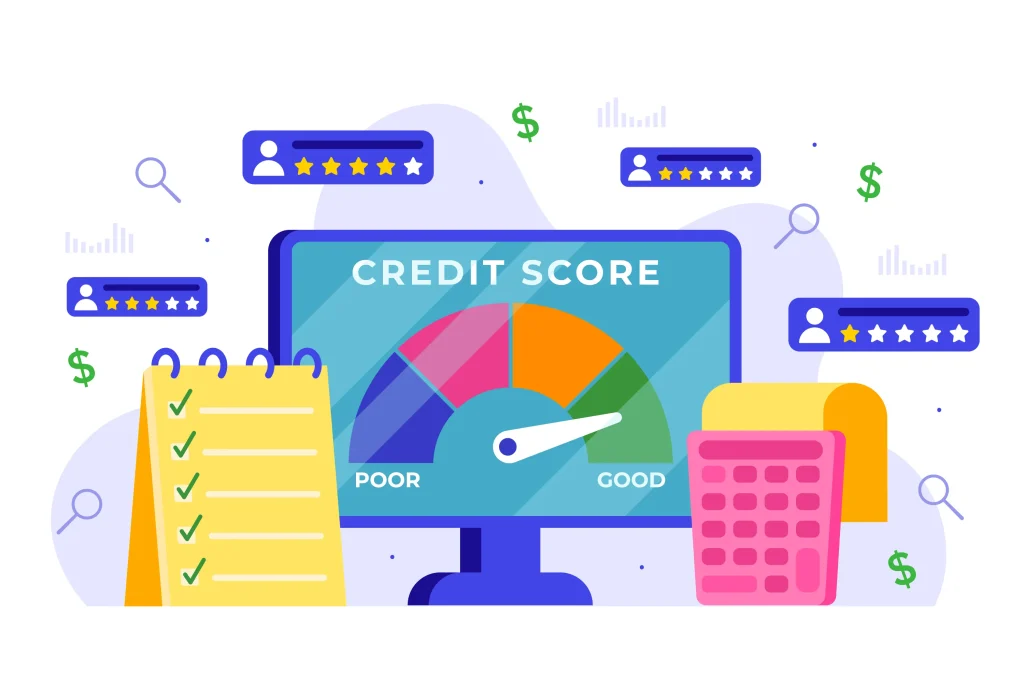
Credit scores are calculated by complex algorithms such as FICO and VantageScore. These algorithms analyze your credit reports for repayment probability.
The formula is secret, but key factors are known. Payment history is most important, and it is about 35% of your score. Debt amount and credit utilization ratio come next, about 30%. Then, the length of credit history, 15%, recent credit applications, 10%, and account mix 10% matter, too.
Why Your Credit Score Matters in Everyday Life?
A strong credit score is essential because it acts as a financial report card and impacts many aspects of your life. Lenders use it to approve you for credit cards, mortgages, and car loans.
It also determines the interest rates you receive, affecting your long-term costs. Landlords, utility companies, car insurers, and even some employers often check your credit score before making decisions about you.
Credit Monitoring: Stay Ahead of the Curve
Credit monitoring is a vital tool for anyone serious about managing their financial health. It involves keeping a close watch on changes in your credit report, including new accounts, inquiries, or unexpected balances.
Regular monitoring allows you to detect errors and potential fraud quickly. Identity theft can happen to anyone, and early detection makes it easier to resolve disputes and prevent further damage. Moreover, credit monitoring provides insight into your financial behaviors and trends, making it easier to adjust spending habits or address potential concerns proactively.
For those focused on long-term financial goals, integrating credit monitoring into a broader credit score management strategy ensures that every action taken supports your overall financial health. Over time, monitoring can help you spot patterns that affect your score, giving you the knowledge to make informed decisions and maintain financial confidence.
Strategies to Improve Your Credit Score
To improve your credit score, pay bills on time, reduce debt, keep accounts open, and avoid applying for too many cards. These habits build a strong credit history.
Prioritize On-Time Payments
Payment history matters most. Always pay bills, credit cards, loans, rent, and utilities by their due dates. Set up automatic payments or reminders if needed. A single late payment can lower your score and stay on your report for seven years, though its impact lessens over time.
Reduce Your Credit Utilization Ratio
Your credit utilization ratio is how much of your available credit you’re using. Keep this under 30% on all your accounts because the lower it is, the better. Pay down your credit card balances and avoid making any big purchases until your balances have dropped to get a faster improvement in this area.
Limit New Credit Applications
When you apply for new credit, it creates a hard inquiry, which can lower your score a bit. It’s okay to apply occasionally, but if you do it loads of times in a short space of time, it can look like you’re taking on a bit too much risk.
Only apply when you really need to, and don’t open new accounts just to get some small discounts. Be patient and focus on building good habits instead.
Maintain Older Accounts in Good Standing
The length of your credit history really matters. So, if you’ve got an old credit card that’s still in good shape, keep it open even if you don’t use it much.
Closing old, paid-off accounts can actually make your average account age drop and your utilisation ratio go up, so be careful not to consolidate everything too quickly.
Review Your Credit Reports Regularly
You can’t fix mistakes in your credit report if you don’t know they’re there. Review your annual free credit reports for errors, fraud, or inaccuracies.
If you find something wrong, like a mistaken late payment or an unfamiliar account dispute, contact the credit bureau immediately. Correcting errors helps improve your score’s accuracy.
Final Thoughts
Navigating your credit score with confidence is entirely possible using a strategic approach. You can take actionable steps to boost your score and unlock better financial opportunities. For that, you just simply have to understand the key factors, such as payment history, credit utilization, and account age.
As someone who has personally benefited from a tailored credit improvement plan, I encourage you to take control of your financial future today. Start tracking your progress, set achievable goals, and start building a stronger credit health for greater peace of mind.