What if your grades improved not because you studied longer, but because you studied better? Students using digital study apps are more likely to stay organized and consistent than those who don’t.
Today’s learners have access to powerful apps and tools that help them manage academics, stay organized, and access learning resources anytime, anywhere. Students of all ages now use the internet for studying, skill development, scheduling, planning, and time management.
For example, many learners rely on online libraries like Z-Library to access and read books digitally. To make learning easier, smarter, and more engaging, I’ve curated a list of the most useful apps for students in 2026, tools designed to streamline study routines and boost productivity.
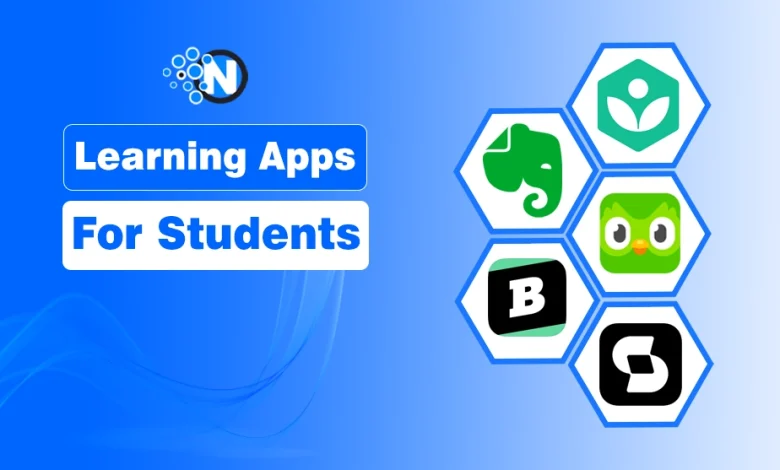
Top 10 Learning Apps for Students to Use
The following is the list of the best apps for students in 2026. These apps are of great help to the students as they help the learners get done with the tasks and assignments in a manageable way.
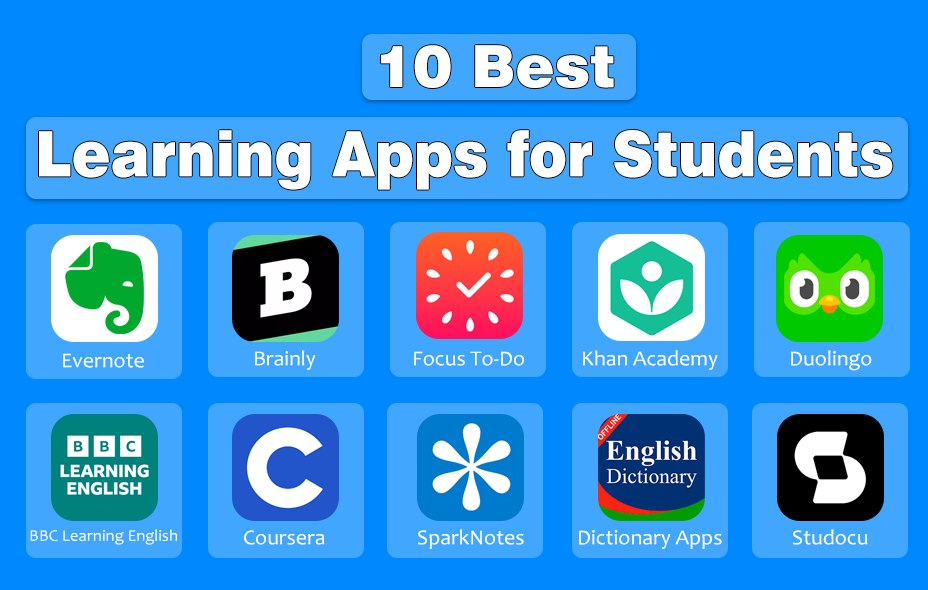

Evernote is one of the most popular apps for taking notes and organizing academic life. Students can take notes in multiple formats, save web content, and create to-do lists all in one place.
Its clean dashboard makes it easy to access important notes quickly, helping learners stay organized and productive.
Brainly is a peer-to-peer learning platform used by students, teachers, and even parents. With over 350 million monthly users, it covers subjects like English, math, science, and social studies.
Students can upload questions, text, or images, and receive accurate solutions from knowledgeable peers, making homework less stressful and more collaborative.
Focus To-Do helps students optimize study sessions by breaking work into focused time intervals (usually 25 minutes). It tracks both the quantity and quality of study time and encourages better concentration, consistency, and efficiency.
This is one of the most useful apps for students to track their learning stamina, to organize the power of their brains into a fruitful activity.
Khan Academy is a non-profit platform offering free education to learners worldwide. It provides high-quality lessons tailored to each student’s learning pace.
Teachers can also use it to assess individual student needs, making it a powerful tool for both independent and classroom learning.
Duolingo makes learning a new language fun and accessible. Through visual cues, interactive exercises, and short lessons, learners naturally develop reading, listening, writing, and speaking skills.
Its gamified approach keeps motivation high and builds confidence over time, which makes it one of the best language learning apps.
This app teaches English through real-world news and current events, which engages students in the learning process through real-time incidents.
Learners receive articles with difficult vocabulary, synonyms, and audio support, helping them improve comprehension while staying informed about global issues.

Coursera offers courses across a wide range of subjects, from languages to digital marketing and technical skills.
Many courses include assignments and certificates from top universities and organizations, which help learners upskill and advance their careers.

SparkNotes is ideal for students studying literature, history, philosophy, and the arts, all under one roof, while helping them understand the real purpose of these studies.
It simplifies complex texts with summaries, explanations, and quizzes, making it easier to grasp key themes and concepts quickly.

The Oxford English Dictionary is a trusted language resource for learners of all ages. It provides detailed explanations, usage examples, and word origins.
However, it’s not the only platform that you can use; there are other helpful alternatives, including Merriam-Webster and online dictionary platforms.

Students spend hours creating notes from lectures, textbooks, and study materials, but often struggle to test themselves effectively. Re-reading notes is a passive study method that doesn’t challenge your brain to actively recall information.
Studocu AI addresses this by transforming your uploaded study materials into interactive practice tools, allowing you to convert lecture notes into mock exams, flashcards, and summaries automatically. The AI model is trained on millions of actual student resources to create realistic exam-like questions that mirror what you’ll face in actual tests.
Final Thoughts on Students' Apps
Modern students benefit greatly from digital learning tools that simplify note-taking, task management, and exam preparation. These apps not only improve productivity but also enhance understanding, creativity, and intellectual growth.
When used wisely, they empower students and institutions alike to achieve better academic outcomes in today’s ever-changing digital world.
People Also Ask
Which app is best for online note-taking?
Evernote is one of the best online note-taking apps for students. It allows users to save text, audio, video notes, web content, and organize everything with to-do lists and folders.
Which app helps students manage time and focus?
Focus To-Do is ideal for managing time and improving focus. It uses the Pomodoro technique, goal tracking, reminders, and progress reports to help students stay productive.
Is Khan Academy suitable for all age groups?
Yes, Khan Academy is suitable for learners of all ages. It offers personalized learning paths for school students, college learners, and even adult learners, along with tools for teachers and parents.
Can Brainly be used by parents and teachers?
Yes, Brainly supports students, parents, and teachers. Parents can ask homework-related questions, and teachers can guide learners by providing accurate answers and explanations.