What Is Influencer Marketing? A Beginner’s Guide to the Modern Word-of-Mouth

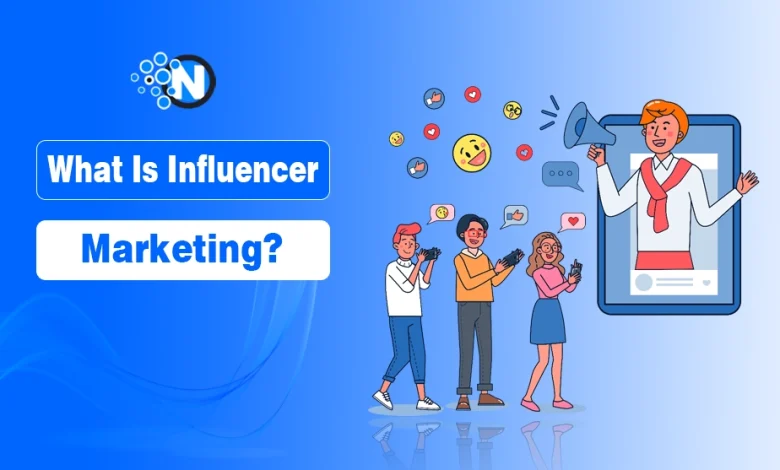
We all know the feeling. You’re scrolling through Instagram or TikTok, and you see someone you follow using a new coffee machine or wearing a specific brand of sneakers. Suddenly, you want them too.
That isn’t an accident. It’s Influencer Marketing in action!
In the past, brands relied on TV commercials and billboards. Today, they rely on people—specifically, content creators with dedicated audiences because influencer marketing facts show that 69% of consumers trust influencer recommendations when they want to buy something.
If you’re a business owner or marketer trying to understand how influencer marketing works, this guide explains what it is, why it’s effective, and how to build a strategy that drives results.
The Definition: What Is Influencer Marketing?
Influencer marketing is a form of digital marketing where a brand partners with an individual—known as an influencer—who has a clearly defined and engaged audience.
The brand pays or compensates the influencer to promote their product or service. Unlike a celebrity endorsement (which relies on fame), influencer marketing relies on trust and niche authority. The audience listens because they value the creator’s opinion, not just because they are famous.
Why Influencer Marketing Works? The Key Advantage
Traditional ads are often ignored. We skip YouTube ads; we scroll past banners. Influencer marketing bypasses this “ad blindness” because of two psychological factors:
- Social Proof: When we see others validating a choice (like buying a product), we are more likely to do it ourselves.
- Parasocial Relationships: Audiences feel a one-sided personal connection with creators they watch daily. When that creator recommends a product, it feels like a suggestion from a friend, not a corporation.
According to recent industry reports, businesses earn an average of $5.78 for every dollar spent on influencer marketing. It is currently one of the highest ROI (Return on Investment) marketing channels available.
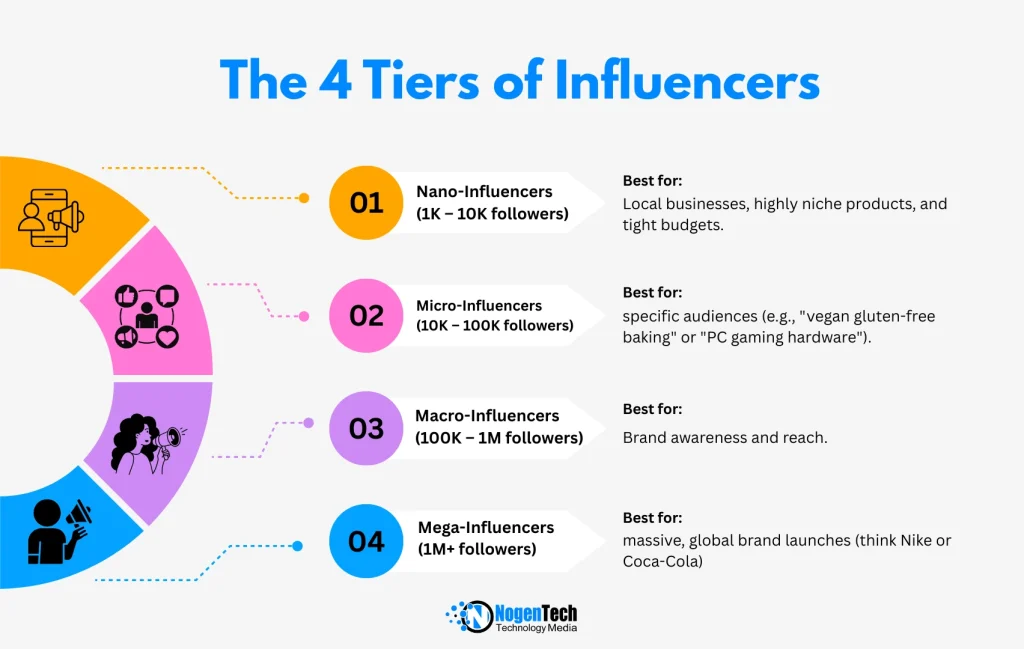
The 4 Tiers of Influencers
Size isn’t everything. In fact, smaller influencers often have higher engagement rates. Here is how the industry categorizes them:
1. Nano-Influencers (1K – 10K followers):
- Best for: Local businesses, highly niche products, and tight budgets.
- Pros: Extremely high engagement; affordable (often accept free product in exchange for posts).
2. Micro-Influencers (10K – 100K followers):
- Best for: specific audiences (e.g., “vegan gluten-free baking” or “PC gaming hardware”).
- Pros: The “sweet spot” for most brands. They have authority but are still accessible.
3. Macro-Influencers (100K – 1M followers):
- Best for: Brand awareness and reach.
- Pros: Professional content creators; wide reach.
- Cons: Expensive; lower engagement rates than micro-influencers.
4. Mega-Influencers (1M+ followers):
- Best for: massive, global brand launches (think Nike or Coca-Cola).
- Pros: Massive visibility.
- Cons: Very expensive; less “personal” connection.
How to Build an Influencer Marketing Strategy (Step-by-Step)
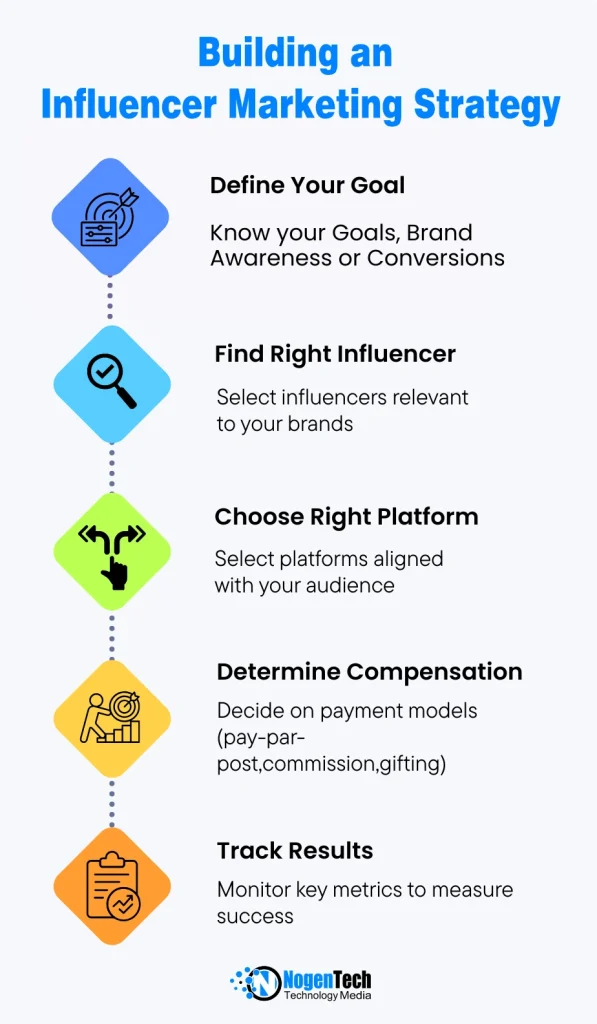
If you’re ready to dive in, don’t just throw money at the first person with a blue checkmark. Follow these steps:
1. Define Your Goal
Are you looking for Brand Awareness (people knowing your name) or Conversions (sales)?
- Awareness campaigns focus on views and likes.
- Conversion campaigns focus on clicks and promo code usage.
2. Find the Right Influencer
Relevance beats reach every time.
- If you sell accounting software, a LinkedIn thought leader with 5,000 followers is better than a fashion model with 500,000.
- Look at their Engagement Rate (Likes + Comments / Follower Count). A rate above 2-3% is generally considered healthy.
- Utilize influencer marketing tools to streamline your search. These platforms allow you to filter influencers by niche, audience demographics, and key performance metrics, saving you significant time.
3. Choose the Right Platform
- Instagram: Great for lifestyle, fashion, beauty, and travel.
- TikTok: Best for viral potential, younger demographics, and raw/unpolished product demos.
- YouTube: The king of long-form reviews and deep dives.
- LinkedIn: The home of B2B influencer marketing.
4. Compensation Models
- Pay-Per-Post: A flat fee for a piece of content.
- Affiliate/Commission: The influencer gets a % of every sale they generate (low risk for the brand).
- Gifting: Sending free product (usually only works for Nano-influencers).
5. Track Your Results
Don’t just look at “likes.” Use trackable metrics:
- Affiliate Links: Unique URLs to track sales.
- Promo Codes: Think “SAVE20” to see who is actually buying.
- Engagement Rate: (Likes + Comments + Shares) / Total Followers.
Common Influencer Marketing Mistakes to Avoid
- Micromanaging the Creative: You are paying the influencer because they know their audience. Give them a brief, but let them create the content in their own voice. If it sounds scripted, it will fail.
- Ignoring Disclosure: In many regions (like the US and UK), influencers legally must disclose ads (e.g., using #ad or #sponsored). Failing to do this can lead to fines.
- Chasing “Vanity Metrics”: Don’t obsess over follower count. Focus on how many people are actually commenting and clicking.
The Future: AI and Influencers
The industry is evolving fast. We are now seeing “Virtual Influencers” (AI-generated personas). At the same time, AI-powered tools are helping real influencers produce content faster, from editing videos to analyzing audience insights.
For creators and brand managers, this evolution makes organization more important than ever. Clear briefs, structured contracts, and well-planned content calendars ensure campaigns stay efficient while adapting to new tech-driven formats. Staying ahead of these changes means blending creativity with systems that keep everything on track.
Turning Influence Into Growth
Influencer marketing isn’t a passing fad—it’s a reliable way to build trust and drive results in the digital age. For beginners, the key is learning how influencers connect with their audiences. Start small, experiment with different collaborations, and scale as you see what works. When you combine authenticity with clear strategy, influencer marketing becomes a powerful driver of brand growth.