- AI and automation can significantly improve efficiency and productivity.
- A strong digital foundation ensures long-term visibility and growth.
- Customer experience is a key differentiator in competitive markets.
- Data-driven decisions lead to better outcomes.
- Focused marketing delivers better ROI than scattered efforts.
Running a small business today looks very different from how it did even two years ago. What used to work, posting randomly on social media, running a few ads, or relying on word-of-mouth, is no longer enough.
In 2026, small businesses that grow are the ones that adapt faster, automate smarter, and focus deeply on customer experience.
Here’s a reality check:
- By the end of 2026, more than 80% will use AI in marketing and other business operations (Forbes)
That means one thing: if you’re not evolving, you’re falling behind.
So, if you’re looking to scale, improve efficiency, and build a future-ready business, this small business growth guide contains proven strategies that will help you move forward with clarity and confidence.
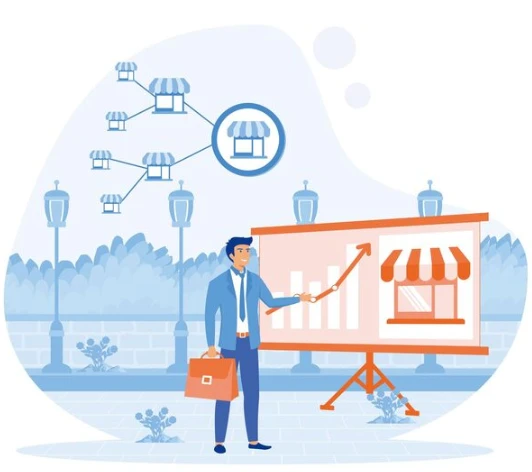
Why Business Scaling Matters in the Modern World?
Running a business used to be about stability, keeping operations smooth, maintaining steady sales, and growing at a comfortable pace. But in today’s fast-moving digital economy, staying the same often means falling behind.
The modern business environment is shaped by rapid technological change, evolving consumer behavior, and increasing reliance on digital platforms. This means your business needs to be flexible, responsive, and capable of growing without constantly increasing effort or costs.
When you focus on scaling the right way, you create a structure that supports long-term success instead of short-term wins.
Here’s why scaling matters more than ever:
- It allows you to grow revenue without proportionally increasing workload
- It improves efficiency by streamlining processes and reducing manual effort
- It helps you handle higher demand without compromising quality
- It creates consistency in operations, customer experience, and delivery
- It positions your business to compete with larger, more established brands
More importantly, scaling gives you control. Instead of constantly reacting to problems, you build a system where growth becomes predictable and manageable.
9 Powerful Ways to Scale & Grow Your Small Business
1. Use AI and Automation to Multiply Your Output
Artificial intelligence is no longer just a trend; it’s becoming the backbone of modern business operations.
But here’s an important distinction: successful businesses don’t use AI everywhere. They use it where it matters most.
Instead of replacing human effort, AI enhances it. It helps you do more in less time, reduces repetitive work, and gives you insights that would otherwise take hours to uncover.
Where AI is making the biggest impact:
- Customer support through chatbots and automated responses
- Content creation for blogs, emails, and social media
- Data analysis and reporting
- Lead qualification and follow-ups
- Workflow automation for repetitive tasks
When used correctly, AI can free up several hours each week, time that can be redirected toward strategy, growth, and customer relationships.
How to start without overwhelming yourself:
- Pick one area (e.g., customer support or content creation)
- Introduce a simple automation tool
- Monitor results and refine the process
- Gradually expand to other areas
The goal isn’t to automate everything; it’s to remove friction from your daily operations.
2. Build a Strong Digital Foundation (Not Just Social Media)
Many small businesses still rely heavily on social media platforms for visibility. While social media is important, it should never be your only channel.
Algorithms change, reach fluctuates, and ad costs continue to rise. That’s why building a solid digital foundation is essential.
Your business should be discoverable even when you’re not actively promoting it.
Core elements of a strong digital presence:
- A fast, mobile-friendly website
- SEO-optimized pages targeting real search queries
- Blog content answering user questions (AEO-focused)
- Clear service pages with strong messaging
- An email list for direct communication
In 2026, businesses that grow organically are those that focus on search visibility and long-term content strategies, not just short-term engagement.
Content types that drive consistent traffic:
- How-to guides
- Comparison articles
- Industry insights
- FAQs and quick answers
- Problem-solving content
Think beyond posting—focus on being found when it matters most.
3. Prioritize Customer Experience at Every Touchpoint
Customer expectations have changed significantly. People no longer compare you only to competitors; they compare you to the best experience they’ve ever had.
That means speed, personalization, and ease of interaction are now critical.
Customer experience (CX) has evolved into one of the most powerful growth drivers for small businesses.
What customers expect today:
- Quick responses (often instantly)
- Personalized communication
- Smooth and simple buying processes
- Ongoing engagement after purchase
Businesses that deliver better customer service experiences don’t just gain customers, they retain them and turn them into advocates.
Practical ways to improve digital CX:
- Add live chat or chatbot support on your website
- Automate follow-up emails after inquiries or purchases
- Simplify your checkout or onboarding process
- Use customer data to personalize communication
Even small improvements can lead to higher conversions and stronger relationships.
4. Make Data-Driven Decisions (Not Guesswork)
One of the biggest mistakes small business owners make is relying on assumptions instead of data.
In a fast-moving digital landscape, guessing can cost time, money, and opportunities.
Modern businesses use data not just to track performance, but to improve it.
Key metrics you should monitor:
- Website traffic and user behavior
- Conversion rates
- Cost per lead or acquisition
- Customer lifetime value
- Engagement across marketing channels
Understanding these metrics helps you identify what’s working and what needs improvement.
How to apply data effectively:
- Identify your top-performing channels
- Optimize underperforming pages
- Test different strategies (A/B testing)
- Allocate budget based on ROI
Data removes uncertainty and helps you make confident, informed decisions.
5. Build Systems That Scale Your Business
If your business relies entirely on your daily effort, growth will always be limited. That’s why building systems is essential.
Systems allow your business to run efficiently, even when you’re not directly involved in every task.
Key systems every small business should consider:
- CRM (Customer Relationship Management) for tracking leads
- Automated email sequences for nurturing prospects
- Lead capture forms and funnels
- SOPs (Standard Operating Procedures) for consistency
- Project management tools for team collaboration
When these systems are in place, your business becomes more predictable, scalable, and easier to manage.
Benefits of system-driven growth:
- Reduced manual workload
- Improved consistency
- Better customer tracking
- Faster decision-making
- Easier team expansion
6. Strengthen Your Brand and Build Trust
With the rise of AI-generated content and increased competition, trust has become one of the most valuable assets for any business.
Customers are more informed and selective. They want to engage with brands that feel authentic, reliable, and consistent.
This is where E-E-A-T (Experience, Expertise, Authority, Trust) plays a critical role.
How to build a trustworthy brand:
- Share real experiences and insights
- Publish in-depth, valuable content
- Showcase testimonials and reviews
- Maintain consistent messaging across platforms
- Be transparent about your services and processes
Content that builds authority:
- Case studies
- Expert guides
- Industry analysis
- Educational blog posts
The stronger your brand trust, the easier it becomes to attract and convert customers.
7. Focus on High-Impact Marketing Channels
Not all marketing channels deliver equal results. Spreading yourself too thin can reduce effectiveness.
Instead, focus on channels that align with your audience and business goals.
High-performing channels in 2026:
- Search engine optimization (SEO)
- Content marketing
- Email marketing
- Paid ads (with proper funnel optimization)
- Short-form and educational video content
Smart marketing approach:
- Start with one or two core channels
- Master them before expanding
- Focus on quality over quantity
- Track ROI consistently
Growth comes from focus, not overload.
8. Adapt Quickly to Market Changes
The business landscape is evolving rapidly. New business tools, trends, and consumer behaviors emerge constantly. Small businesses have a unique advantage: they can adapt faster than large organizations.
How to stay adaptable:
- Keep learning about industry trends
- Test new tools and strategies
- Gather customer feedback regularly
- Be willing to pivot when needed
A simple mindset shift:
- Don’t aim for perfection
- Aim for progress and improvement
The faster you adapt, the more opportunities you can capture.
9. Invest in Skills and Continuous Learning
One of the most overlooked growth strategies is investing in your own knowledge.
As a business owner, your decisions shape the future of your company. The more informed you are, the better those decisions will be.
Areas worth improving:
- Digital marketing
- Sales and communication
- Financial management
- Leadership and team building
- Technology and automation
Ways to keep learning:
- Online courses and workshops
- Industry blogs and publications
- Networking with other professionals
- Testing and experimenting in your own business
Growth starts with better thinking and better decisions.
Don’t Just Grow – Scale With Purpose and Strategy
Levelling up your business doesn’t happen overnight. It’s a process of continuous improvement, smart decision-making, and adapting to change.
The businesses that succeed today are not necessarily the biggest or the most experienced. They are the ones who are willing to evolve, experiment, and focus on what truly matters.
If you take even a few of these strategies and apply them consistently, you’ll start to see meaningful progress. And over time, those small improvements can lead to significant growth. Because in today’s business landscape, success isn’t about keeping up; it’s about moving forward with intention and clarity.