
- Supply chain planning has evolved into a technology-driven process.
- Real-time data and AI improve forecasting and decision-making.
- Strong planning reduces risks and operational costs.
- Future supply chains will rely heavily on intelligent systems & software.
Supply chain planning has moved far beyond spreadsheets and manual forecasting. In this fast-paced digital economy, businesses need smarter, faster, and more adaptable systems to keep operations running smoothly.
The biggest shift in recent years has been the integration of technology into supply chain processes. Companies that once relied on guesswork now use data, automation, and predictive insights to make better decisions.
In 2026, supply chain planning is driven by real-time data, AI-powered forecasting, and end-to-end visibility.
In this guide, you will learn everything about supply chain planning and how modern supply chain planning software makes the entire process seamless. Further, you will learn how demand planning improves the supply chain.

What is Supply Chain Planning?
Supply chain planning refers to the process of managing the flow of goods, information, and resources—from sourcing raw materials to delivering products to customers.
It includes everything from demand forecasting to inventory management and logistics coordination.
A well-planned supply chain ensures:
- the right products are available
- at the right time
- in the right quantity
- at the lowest possible cost
Your supply chain planning mechanisms should empower your team with crucial elements to sense demand. This means they will align production, distribution, and sales to get maximum revenue and keep costs minimal. An effective supply chain plan is imperative to give your team the much needed control and visibility over supply chain value.
How Demand Planning Improves the Supply Chain
A key question that will pop up when analyzing supply chains is: what is demand planning? Well, demand planning is a process in the supply chain management process. It helps forecast and predict demand for products and services to meet clients’ needs.
It helps companies stay prepared for market changes, make better decisions, and maintain the right inventory levels. With accurate demand planning, businesses can respond faster and operate more efficiently.
To improve demand planning, businesses should focus on:
- using the right software
- working with accurate and updated data
- following a clear and consistent process
- regularly monitoring and adjusting strategies
Strong demand planning helps businesses stay proactive, reduce risks, and keep their supply chain running smoothly.
Why the Right Supply Chain Planning Software Makes All the Difference
To truly understand and optimize your supply chain, having the right software in place is essential. Modern tools don’t just track operations, they give you the clarity and control needed to make smarter decisions.
- You’ll know what is happening in your supply chain. The increased transparency will help you know much about your clients and improve data sharing and general collaboration.
- Getting rid of the bottlenecks that derail supply chain processes will increase efficiency.
- Monitoring performance, analyzing data, and making wise decisions will be easy.
- Minimize the cost of operations by reducing overheads associated with oversupply.
- Easily identify and monitor risks within a supply chain.
- You’ll enjoy increased compliance, reduce human error and ensure regulations are met.
Choosing the Best Supply Chain Planning Software- Things to Consider
The best practices for your supply chain management include implementing the right software. There are several options, but you should pick the best software in the competitive market. Here are tips to guide your pursuit:
Decide What Functions Your Company Needs
It’s crucial to examine the needs of your business and what to prioritize. Reliable software should have functions critical to your supply chain management and line of business.
Expansive software will offer many features that can provide a wide range of supply chain functions. Once you decide what core purposes you want your software to meet, pick software with features that meet your needs.
Integration with Existing Systems
Ensuring the software integrates with your existing IT systems and infrastructure is always significant. You’ll need a tool that will help manage operations hassle-free. Software that handles critical functions without replacing existing systems is worth your consideration.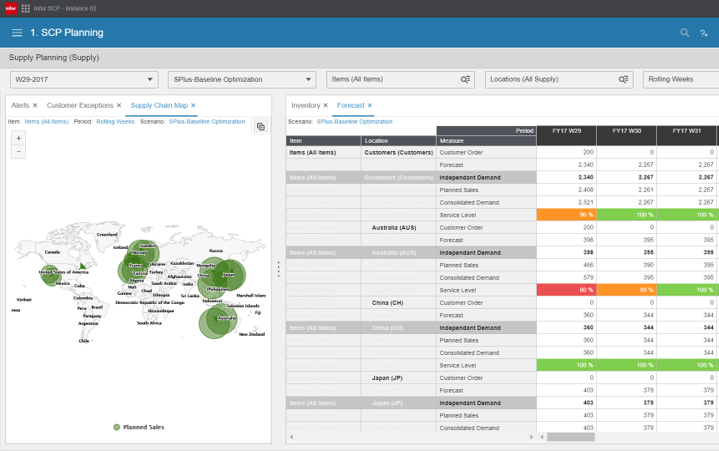
Examine the Developers of the Software
It’s important to know the company behind the software. A reliable supply chain planning tool is as good as the company that develops and supports it.
Choose the software you have faith in and trust its developers. A developer with knowledge and expertise in supply chain planning will help generate positive outcomes.
Consider Scalability and Upgrade Capability
The key objective of investing in a supply chain planning tool is to make business processes run efficiently and smoothly. This will translate to an easy-to-run business oriented toward growth and better customer and supplier relationships. Scalable and easy-to-upgrade software will grow alongside your business.
Check Online Reviews
It’s rewarding to do your homework when looking for top-notch software. Unbiased reviews by customers you find online provide insights into what the best supply chain software should look like.
These reviews will give you comprehensive pointers on software capabilities, features, and support levels. Independent and trustworthy sites that offer supply chain planning solutions are a source of the best reviews.
How Technology Is Changing Supply Chain Planning
Technology has completely reshaped how supply chains operate.
Today’s systems rely on:
- cloud-based platforms for centralized data
- automation tools to reduce manual work
- predictive analytics for better decision-making
These technologies allow businesses to respond quickly to changes and minimize risks. Instead of reacting to problems, companies can now anticipate them.
Best Practices for Effective Supply Chain Planning
To improve supply chain performance, businesses should focus on:
- building flexible and scalable systems
- using data-driven decision-making
- improving collaboration across teams
- continuously monitoring performance
Small improvements in planning can lead to significant gains in efficiency and cost savings.
Final Thoughts
A well-orchestrated supply chain planning process is fundamental to your business. It benefits your business in many ways, from guaranteeing enhanced throughput, increased operational efficiency and decreased costs to better allocation of resources.
It’s more rewarding if you develop a demand-driven supply chain planning strategy. In addition, you must invest in the best supply chain planning software to streamline all operational activities. Significantly, if each process is well-implemented, it will be easy to boost supply chain profitability.