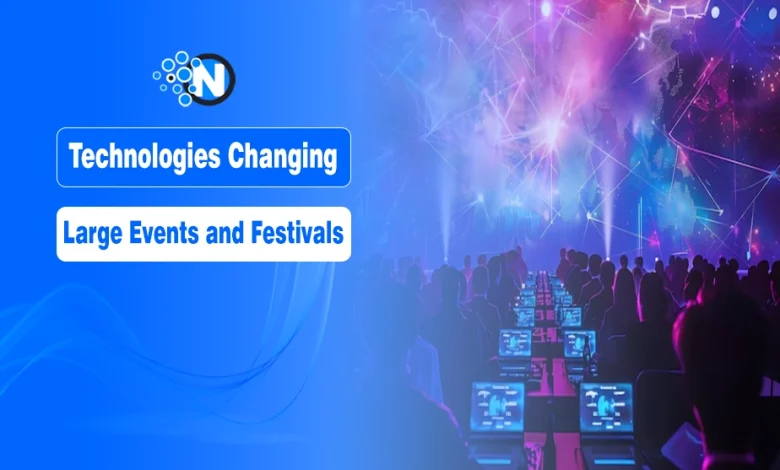
If you’ve attended a major festival, conference, or sporting event recently, you’ve probably noticed something: events don’t feel the same anymore. They’re smarter, smoother, more immersive, and way more connected than they were just a few years ago. That’s because technology has quietly become the backbone of modern large‑scale events, shaping everything from ticketing to crowd control to entertainment. According to the source, the event tech market is projected to hit $107.28 billion by 2037, highlighting the increasing demand for advanced event tools and technologies.
Whether it’s a music festival hosting 100,000 fans or a global tech conference attracting attendees from around the world, event organizers are leaning on innovative tools to deliver unforgettable experiences while keeping operations efficient and safe.
This blog post highlights the nine technologies that are transforming large events and festivals, and why they matter more than ever.
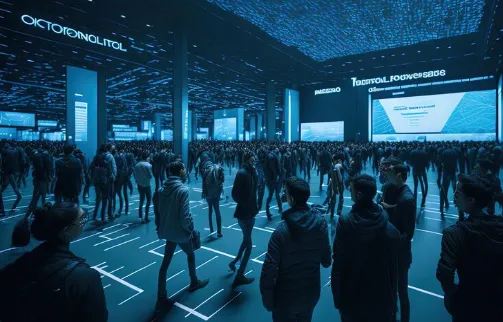
9 Technologies Changing Large Events and Festivals
RFID Bands
A new group of event devices called RFID bands, or radio-frequency identification wristbands, are becoming essential at large events. These wearable devices store attendee information and enable quick access to venues, reducing wait times at entry points significantly.
In addition to entry, RFID bands allow transactions to be cashless. The attendees will be able to connect their bands to the payment system, which means that they will be able to buy food and drinks, as well as merchandise, without having wallets. This makes operations simpler and reduces the chances of theft.
In addition, these bands increase security since they monitor movements real-time. The density of the crowd can also be monitored by the organizers to avoid overcrowding and this ensures that there are safer environments during the peak periods at the festivals.
RFID technology gathers insightful information about the behaviors of the attendees. These insights can be used in future event planning, personalizing the experience to tastes and likes, and enhancing the overall level of satisfaction.
Augmented Reality Experiences
Augmented reality (AR) is overlaying digital elements onto the real world, transforming how attendees interact with events. The interactive maps or virtual guides at festivals are available to the user through smartphone apps.
AR increases performances with visual effects. It would be like viewing a concert performed to digital drawings which are combined with live music, producing the spectacles that would be extremely interesting to people of all age groups.
This technology increases sponsor interaction. The brands may develop AR filters or games, which will enable the attendees to share the experience on social media, increasing the natural event coverage.
AR creates informative overlays in educational events. As an example, during cultural festivals, scanning of artifacts lets to know some historical background, which adds a learning dimension to the participants.
Virtual Reality Immersions
Virtual reality (VR) takes immersion to new heights by transporting users to simulated environments. At large events, VR setups allow remote attendance, making festivals accessible to global audiences unable to travel.
On-site, VR booths offer exclusive experiences like virtual backstage tours. This adds value to tickets, differentiating premium packages and increasing revenue for organizers effectively.
VR also aids in training staff. Simulating crowd scenarios helps prepare teams for emergencies, enhancing safety protocols at high-attendance gatherings like music festivals.
Furthermore, post-event VR recaps let attendees relive moments. Sharing these virtual memories extends the event’s lifespan, fostering long-term community engagement among fans.
AI-Powered Personalization
Artificial intelligence (AI) is the analysis of data to individualize event experience. Through preferences processing, the AI suggests schedules so that people should not miss their preferred performances or activities.
Artificial intelligence chatbots respond to queries immediately. This lowers the working hours of the staff and offers 24/7 services to enhance the satisfaction of the attendees at a big festival.
AI optimizes logistics, too. Anticipatory algorithms predict the people flows, which then enable some adjustments on the staffing and resources, which avoid the overcrowding in busy locations.
AI also focuses on promotions in marketing. Individualized emails or app notifications will increase the purchase of the tickets and the event will be filled with customized outreach efforts.
Mobile Event Apps
Mobile applications are key points of information for events. They are updated in real time on schedules, weather, and transport, keeping the attendees advised on the same throughout the festival.
Social connections are made possible by these apps. Functionality such as friend finders or chat rooms is useful in helping groups organize gatherings in busy places to improve the communal feel.
It has integration with maps, which provide navigation assistance. The stages, restrooms, or food stalls can be easily found by the user without frustration and enhance the overall flow of the event.
After the event, feedback surveys are collected by apps. The information will be used to make any improvements so that the next one will be more in line with the expectations and preferences of the attendees.
Facial Recognition and Biometrics
Facial recognition technology speeds up entry processes. By scanning faces, it verifies tickets instantly, eliminating the need for physical checks and reducing queues significantly.
This tech enhances security measures. It identifies potential threats or lost individuals quickly, providing peace of mind for organizers and attendees alike at large gatherings.
Biometrics also enable personalized greetings. Upon entry, systems can display welcome messages or direct users to preferred areas, adding a touch of exclusivity.
Drone Light Shows
Drone light shows are replacing traditional fireworks with eco-friendly alternatives. Synchronized drones create stunning aerial displays, captivating audiences at night-time festival closures.
This technology reduces environmental impact. Without explosives, it minimizes noise pollution and fire risks, appealing to sustainability-focused event planners and attendees.
Drones can form custom shapes or messages. Brands sponsor these shows, integrating logos seamlessly into the spectacle for memorable marketing opportunities.
Blockchain for Secure Ticketing
The use of blockchain technology is changing the ticketing system in major events. Through the decentralized ledgers, it makes tickets authentic and tamper-proof, cutting down the problem of fraud and counterfeits.
This technology fights scalping by using smart contracts. Resale limitations can be coded into tickets, keeping the prices fairly low and ensuring that with the help of this, real fans will not spend more money on them.
Blockchain facilitates transparent ownership. Users will be able to check ticket history and trust the secondary markets building trust in them and offering the organizers the correct data on attendance.
It also has NFT integration of exclusive digital collectibles. Fans get special event merchandise, which is more engaging, and generates new sources of revenue to festivals.
IoT for Crowd Management
Internet of Things (IoT) devices are revolutionizing crowd management at large events. Sensors placed throughout venues collect data on attendee movements, helping organizers respond to congestion in real time.
IoT integrates with lighting and signage systems. Dynamic adjustments guide crowds efficiently, reducing bottlenecks and improving flow during high-traffic periods at festivals.
This technology also monitors environmental factors. Devices track air quality and temperature, ensuring comfortable conditions and alerting staff to potential issues promptly.
Finally, IoT provides analytics for post-event reviews. Data on peak times and popular areas informs better layouts, optimizing future events for enhanced attendee experiences.
Final Thoughts
These nine technologies are not just improvements; they are fundamental shifts in how large events and festivals are planned. By embracing RFID bands, AR, VR, AI, mobile apps, biometrics, and drone shows, organizers create safer, more engaging experiences.
As tech evolves, expect even greater innovations. Attendees will benefit from increasingly personalized and immersive events, ensuring the future of gatherings remains exciting and inclusive for all.