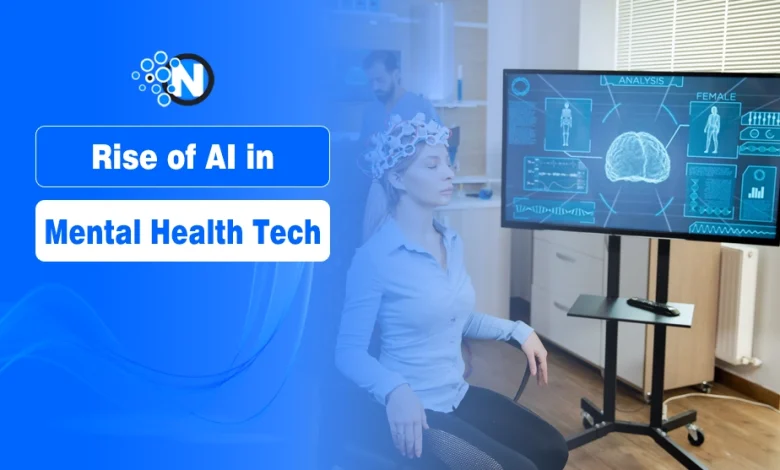
Mental health technology is experiencing a massive transformation. Artificial intelligence is reshaping how therapy is delivered, documented, and scaled across the healthcare industry.
For tech entrepreneurs and business professionals, this shift represents one of the most promising opportunities in healthcare innovation. The mental health app market continues to grow rapidly. Demand for accessible care now outpaces the supply of trained professionals.
What makes this space particularly interesting is the variety of problems AI can solve. From virtual therapy assistants to automated clinical documentation, AI tools are addressing real pain points.
According to the American Psychological Association (APA), AI has the potential to aid in the early detection of individuals who may be at risk for developing mental health concerns.
In this blog post, you will learn about the key AI applications driving this transformation. You will also discover the leading platforms in the space and the business opportunities waiting to be captured.
Why Mental Health Tech Matters Now
The demand for mental health services has never been higher. Yet the supply of mental health professionals cannot keep pace. This gap creates both a crisis and an opportunity for tech innovators.
Traditional therapy models face significant limitations. Therapists also devote almost half the time to their administrative duties, along with treating patients. To satisfy insurance and compliance requirements, standardized progress notes for mental health have to be used in a clinical documentation format such as SOAP, DAP, BIRP, and GIRP. Millions of people cannot get qualified professionals due to geographic barriers. The expense is also the biggest problem that lacks proper insurance coverage.
All these problems can be solved by technology. In order to mechanize routine work and expand the scope of work of individual practitioners, AI can be used. It is also able to lower the price of providing quality care to underserved populations.
The numbers make sense to entrepreneurs and investors. The huge size of the addressable market and evident inefficiency is an innovation blanketed ground. Firms that create authentic solutions to this area are receiving a lot of attention and investment.

Key AI Applications Transforming Mental Health
Teletherapy and Virtual Care Platforms
Video-based therapy exploded during the pandemic and has remained strong since. Platforms connecting patients with licensed therapists remotely have become mainstream healthcare options.
AI enhances these platforms in several ways. Intelligent matching algorithms pair patients with therapists based on specific needs and preferences. Natural language processing analyzes session content to provide therapists with insights about patient progress.
The convenience factor cannot be overstated. Patients can access care from home, eliminating travel time and reducing no-show rates. Therapists can serve clients across broader geographic areas. This improves their practice economics significantly.
AI Chatbots and Virtual Assistants
Conversational AI has found a strong use case in mental health support. Chatbots are able to answer immediately for users who are anxious, depressed, or need help with any other issues.
These tools are not a replacement for human therapists. Rather, they seal care gaps by providing round-the-clock services of basic support and coping skills. They are also able to act as a transition to professional care. This makes the users aware of situations when they require human intervention.
The technology has grown in recent years. Modern mental health chatbots are based on advanced natural language processing to comprehend the context. They are emphatic and lead users by using evidence-based methods such as cognitive behavioral therapy exercises.
Clinical Documentation Automation
Documentation represents one of the biggest pain points for mental health professionals. Therapists often spend hours each week writing session notes, treatment plans, and progress reports.
AI-powered documentation tools are changing this equation dramatically. These platforms can listen to therapy sessions and understand the clinical context. They then generate structured notes automatically in formats like SOAP, DAP, and BIRP.
The impact extends beyond time savings. Consistent, high-quality documentation improves continuity of care. It reduces liability risks and allows therapists to focus their energy on what matters most. That means more time helping patients and less time on paperwork.
Predictive Analytics and Risk Assessment
AI excels at identifying patterns in large datasets. In mental health, this capability enables early identification of patients at risk for crisis or deterioration.
Predictive models can analyze multiple data points. These include session notes, patient-reported outcomes, and behavioral patterns. When risk indicators emerge, the system can alert clinicians to intervene proactively.
This application has significant implications for population health management. Healthcare organizations can allocate resources more effectively. They can identify which patients need the most attention before problems escalate.
Symptom Tracking and Monitoring
Mobile apps that track mood, sleep, and other mental health indicators have become popular self-care tools. AI makes these apps smarter by identifying trends and providing personalized insights.
Continuous monitoring between therapy sessions gives clinicians valuable data. Patients can share their tracked information with therapists. This enables more informed treatment decisions based on real patterns rather than recall.
The passive data collection capabilities of smartphones add another dimension. Activity levels, social interactions, and even typing patterns can provide signals. These indicate mental health status without requiring active user input.
Leading AI Mental Health Platforms
Several companies are leading the charge in applying AI to mental health challenges. Understanding the competitive landscape helps identify both proven solutions and remaining opportunities.
Documentation and Practice Management
Supanote has emerged as a leading platform for AI-powered clinical documentation. Built specifically for mental health professionals, it transforms session recordings into structured therapy notes. The platform supports multiple note formats and integrates with existing practice management systems.
Mentalyc offers similar documentation capabilities with a focus on team environments. The platform provides templates designed for various therapeutic modalities. It enables collaboration across practice staff effectively.
Teletherapy Platforms
BetterHelp and Talkspace dominate the direct-to-consumer teletherapy market. Both platforms use AI for therapist matching. They have built massive networks of licensed professionals serving millions of users.
Teladoc Health serves the enterprise market with robust infrastructure. The platform includes analytics capabilities and supports multiple specialties. It works well for large healthcare organizations seeking scalable solutions.
AI Companions and Support Tools
Woebot uses AI to deliver cognitive behavioral therapy techniques through conversational interaction. The app has been studied in clinical research. It shows promise for addressing mild to moderate symptoms in users.
Wysa offers similar AI-driven support with additional features for workplace mental health programs. The platform has gained traction with employers looking to support employee well-being at scale.
Meditation and Wellness
Calm and Headspace lead the meditation app category. Both incorporate AI to personalize content recommendations for users. While not clinical tools, they play an important role in the broader mental health ecosystem.
Business Opportunities in Mental Health AI
The mental health technology sector offers numerous opportunities for entrepreneurs. Several areas remain underserved or ripe for innovation.
Integration and Interoperability
Mental health practices often use multiple disconnected tools. Platforms that integrate documentation, scheduling, billing, and telehealth can capture significant value.
The challenge lies in building bridges between existing systems. Companies that solve interoperability problems will find eager customers. Practice owners are frustrated with fragmented technology stacks that waste time.
Specialized Populations
Most AI mental health tools target general adult populations. Significant opportunities exist in serving specialized groups. These include children, elderly patients, veterans, and specific cultural communities.
Each population has unique needs that generic solutions do not address well. Entrepreneurs who deeply understand specific user groups can build products with strong competitive advantages.
B2B Enterprise Solutions
While consumer apps get more attention, B2B opportunities may offer better economics. Employers, insurers, and healthcare systems all need mental health solutions for their populations.
Enterprise sales cycles are longer, but contract values are larger. Companies with solutions that demonstrate clear ROI can build substantial businesses. Reduced healthcare costs and improved productivity make compelling selling points.
Global Market Expansion
Mental health needs are universal, but most technology solutions focus on English-speaking markets. Platforms that support multiple languages can access large underserved populations worldwide.
According to the World Health Organization, over one billion people globally live with a mental disorder. Yet treatment gaps remain enormous in most countries. Entrepreneurs who navigate international compliance can build defensible market positions.
Challenges and Considerations
Despite the opportunities, mental health AI faces real challenges. Entrepreneurs must navigate these carefully to succeed.
Regulatory Compliance
The healthcare technology is highly regulated. The compliance of HIPAA is not negotiable in the United States. There are other jurisdictions throughout the world that have similar regulations.
Compliant systems involve competence and constant care. There are acceptable risks caused by shortcuts in this area. Violation is taken seriously in both companies and the patients that the companies treat.
Clinical Validation
The assertions on mental health outcomes must have evidence. Therapeutic solutions which provide therapeutic claims without clinical support are under scrutiny. Payers, healthcare partners, as well as regulators require evidence.
Research and validation studies are costly in terms of time and resources. However, this investment amasses credibility. It distinguishes between solutions that are seriously meant and marketing hype in a saturated market.
Ethical Concerns
Ethical issues are raised with AI in mental health. The concerns of the data privacy, the bias of the algorithms, and the right application cases should be thought over.
Companies that take the problem of ethics proactively will instill confidence in the users. Individuals who do not pay attention to these matters are exposed to reputational and regulatory risks in the future.
Integration With Human Care
The most effective mental health AI tools enhance human providers. They do not replace them. Solutions positioned as replacements for human therapists face pushback from clinicians.
Finding the right balance between automation and human involvement matters. It is both a design challenge and a positioning decision. The most successful companies frame their technology as empowering practitioners.
Getting Started in Mental Health Tech
For entrepreneurs interested in this space, several paths offer entry points with manageable risk.
Identify a Specific Pain Point
Broad solutions face stiff competition from well-funded incumbents. Focused solutions addressing specific problems can gain traction more easily.
Talk to mental health professionals about their daily frustrations. The best product ideas often come from deeply understanding practitioner workflows. Patient journeys also reveal valuable insights.
Build Clinical Credibility
Partnerships with licensed professionals add credibility. They ensure solutions meet clinical standards for safety and efficacy.
Advisory boards, including therapists, psychologists, and psychiatrists, strengthen product development. They also improve market positioning with healthcare customers.
Start With Compliance
Building HIPAA compliance into products from the beginning is far easier than retrofitting later. Invest in proper security infrastructure and documentation from day one.
Consider working with compliance consultants who specialize in healthcare technology. Their expertise can prevent costly mistakes. It also accelerates partnerships with healthcare organizations.
Validate Before Scaling
Mental health products require careful validation before aggressive scaling. Pilot programs with small user groups provide essential feedback while limiting risks.
Collect data on outcomes and user satisfaction from the earliest stages. This information guides product development. It builds the evidence base needed for broader adoption.
The Future of AI in Mental Health
The approach of AI in mental health points toward deeper integration. Several trends will likely shape the coming years.
Personalization will improve as AI systems learn from larger datasets. Treatment recommendations will become increasingly tailored. Individual patient characteristics and preferences will drive customization.
Integration between digital tools and traditional care will tighten. Rather than standalone apps, AI will become embedded in standard workflows. Mental health practices and healthcare systems will adopt these tools naturally.
Prevention will receive greater emphasis going forward. AI systems that identify risk factors early offer significant value. Intervening before conditions worsen benefits individuals and healthcare systems alike.
New modalities will emerge over time. Virtual reality therapy, biometric monitoring, and other technologies will create opportunities. AI enhancement will make these tools more effective and accessible.
Final Words about AI and Mental Health
From automated documentation to intelligent chatbots, these tools address real problems in mental health. They are expanding the reach and effectiveness of mental health care.
For tech entrepreneurs and business professionals, this transformation creates compelling opportunities. The market is large, and the problems are real. Solutions are still maturing, leaving room for innovation.
Success in this space requires more than technical skill. It demands understanding of clinical workflows and respect for regulatory requirements. Commitment to genuinely helping people matters most.