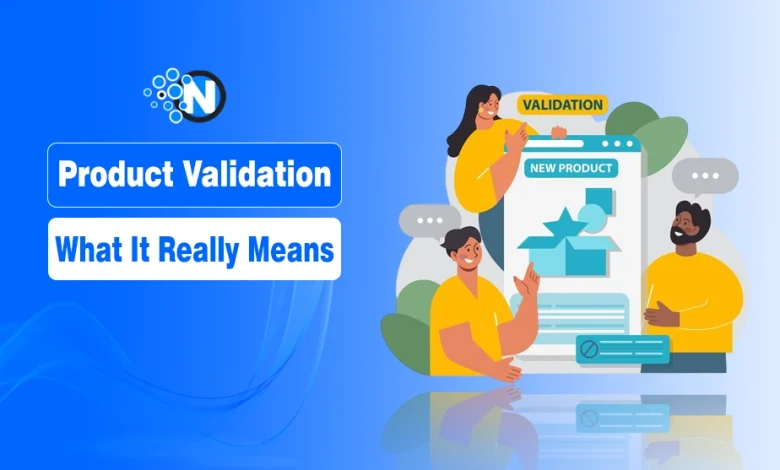
- Product validation means testing assumptions before building, ensuring you’re solving a real and meaningful problem.
- It’s different from feedback—validation is evidence-based, while feedback is often subjective and misleading.
- Focus on validating problem, market, solution, and usability in the right sequence to avoid costly mistakes.
- Real user behavior matters most—interviews and past experiences reveal truth, not hypothetical answers.
- Skipping validation leads to wasted time and resources, while proper validation helps identify risks early and build with confidence.
Product validation is a critical step in developing any successful product. It involves testing key assumptions about your market, users, and solution before investing time and resources in building it. Unlike general feedback, which often confirms what you already believe, validation challenges your ideas and highlights potential flaws early.
Proper validation helps teams understand whether a problem is real, if users are willing to adopt a solution, and whether the proposed approach will actually work.
In this article, you will learn what product validation is and how to do it effectively.
What is Product Validation?
Product validation is the process of testing assumptions about a product before building it. It’s not about asking users if they like your idea or showing them a finished product; it’s about checking whether the core beliefs your product depends on are true.
This includes understanding whether the problem is real, if users struggle with current solutions, and whether they would adopt a better alternative.
Validation gives teams concrete evidence about the market and user behavior, helping avoid costly mistakes. In short, product validation ensures you are solving a real problem in a way that people actually need and want.

The Difference Between Feedback and Validation
Feedback is what you get when you show someone what you built and ask what they think. Validation is what you get when you test a specific belief about your market before you build anything.
That distinction matters more than most teams realize. Feedback is easy to collect and hard to act on. It’s subjective, it’s kind, and it’s rarely the signal you actually need. Validation is harder to run but gives you something concrete: a hypothesis that held, or one that didn’t.
Most product teams default to feedback loops because they’re faster to set up and easier to present to stakeholders. Nobody wants to bring slides that say “our core assumption is probably wrong.” But that’s often exactly what the data is showing.
What You’re Actually Trying to Validate
Before running any validation, write down the three or four beliefs your product absolutely depends on. Not hopes. Beliefs you’re building on.
For most products, they look something like this:
- The problem is real and people experience it frequently enough to care
- Our target users are currently solving it in a way that’s painful or inadequate
- They’d be willing to change their behavior, and potentially pay, for a better answer
- We can build something that actually solves it better than what exists
Each of those is a separate validation question. Most teams run one round of research and try to answer all four at once. You end up with data that’s too thin to trust on any of them.
The Sequence of Product Validation
Product validation isn’t a single event. It’s a sequence, and skipping steps is where most teams bleed time and money.
The sequence that actually works:
- Problem validation first. Is this problem real? Does it happen often enough to matter? Are people actively looking for a better way?
- Market validation second. Is there a version of this person willing to pay, or at least change tools? Are they reachable?
- Solution validation third. Does your specific approach resonate? Does the concept land the way you expect it to?
- Usability validation last. Once you’ve built something, can people use it without you sitting next to them explaining it?
Running usability testing when you should still be doing problem validation is one of the most common, expensive mistakes in early-stage product work. You’re answering the wrong question.
Why Teams Avoid Product Validation:
Even though product validation is essential, many teams skip or shortcut it. Understanding the reasons helps address these challenges and improve the process.
1. Fear of Being Wrong
Teams often avoid validation because it can reveal that their core assumptions are incorrect. Admitting mistakes early can feel uncomfortable, especially when stakeholders expect positive results. This fear leads teams to favor feedback that confirms existing beliefs rather than challenging them.
2. Perceived Time and Cost
Running proper validation takes time, effort, and sometimes financial resources. Scheduling interviews, recruiting participants, and analyzing data can seem slow compared to quickly shipping a product.
Teams may skip validation to save time, not realizing that investing in validation first can improve production efficiency and reduce costly mistakes.
3. Preference for Positive Signals
It’s easier to share encouraging feedback than hard truths. Teams often rely on early compliments or superficial interest, which don’t reflect real user behavior. Seeking validation means embracing criticism, which can feel risky or discouraging.
4. Lack of Understanding
Some teams confuse feedback with validation or don’t know how to structure hypotheses and tests. Without clear guidance, validation seems complicated, so they rely on opinion-based input rather than evidence-driven insights.
How to Run Product Validation Effectively
For problem and market validation, user interviews are still the most reliable method. Nothing surfaces nuance the way a real conversation does, especially the part where someone describes their current workaround in painful detail, and you realize your assumed solution doesn’t address the actual frustration at all.
A few things that separate useful validation from sessions that feel productive but aren’t:
- Ask about specific past experiences, not hypothetical future behavior
- Recruit people actively dealing with the problem now, not people who might deal with it someday
- Write down your assumptions before the session so you’re testing them, not drifting
For teams running user interviews in Canada or other markets where your target user base is geographically spread out, finding and scheduling the right participants can chew through more time than the research itself. Worth building that buffer into your plan.
When to Use Faster Methods
Live interviews aren’t always the right tool for every validation question. Some questions, particularly ones where you need a directional signal quickly, or where you’re testing concept variants rather than exploring unknown territory, can be answered faster.
There are now tools that let you run structured validation sessions with synthetic personas in under an hour. Articos is one of them. It runs AI-moderated interviews and synthesizes findings without the recruitment overhead. Useful for early-stage concept testing when you need a read before committing to a full research cycle.
That said, if you’re trying to understand something genuinely new, a pain point you don’t fully understand yet, a market you’ve never talked to, nothing replaces a real conversation. The tool fits the question, not the other way around.
What Good Validation Output Looks Like
When you’re talking to potential users, enthusiasm is a trap. You aren’t looking for a “thumbs up”. You’re looking for proof that their current situation is actually a mess. If they start describing the problem before you even mention it, or if their current workarounds sound like a nightmare, you’re onto something. Those are the people who will actually change their behavior for your product.
The biggest red flag is “politeness.” If someone says they’d “probably” use it, or if they only agree that the problem exists because you brought it up first, they’re just being nice. They’ll give you a pat on the back, but they’ll never actually pull out their credit card. You want the person who is so frustrated that they start asking you how soon they can get their hands on the solution.
If your validation is only confirming things, it’s not working. The point is to find the cracks early, when fixing them is cheap. A hypothesis that doesn’t survive contact with users isn’t a failure. It’s the research doing its job.
Conclusion
Product validation is essential for building products that solve real problems and meet user needs. By testing assumptions early, teams can identify risks, avoid wasted effort, and make better decisions. While the process can feel uncomfortable or time-consuming, structured validation using interviews, testing, and analysis provides reliable insights.
Following these steps ensures your product addresses genuine pain points and increases the chance of success in the market.
Frequently Asked Questions
A simple example is interviewing potential users to see if they struggle with a problem your product aims to solve. Another example is testing a prototype with a small group to check if they would actually use and pay for it.
Product validation tests specific assumptions about your product before it’s built. Feedback usually reflects opinions on something already created and may not reveal real user needs.
It helps teams identify risks and avoid wasted time or money. Validation ensures the product addresses a real problem users care about.
Common methods include user interviews, surveys, prototype testing, and small experiments. The goal is to test assumptions with real or representative users.
You can stop when your key assumptions have been tested and supported with evidence. Continuous validation is still useful, but early-stage research should focus on the biggest risks first.