Is Netflix Becoming a Media Monopoly in 2026 After Acquiring WBD? (Review)

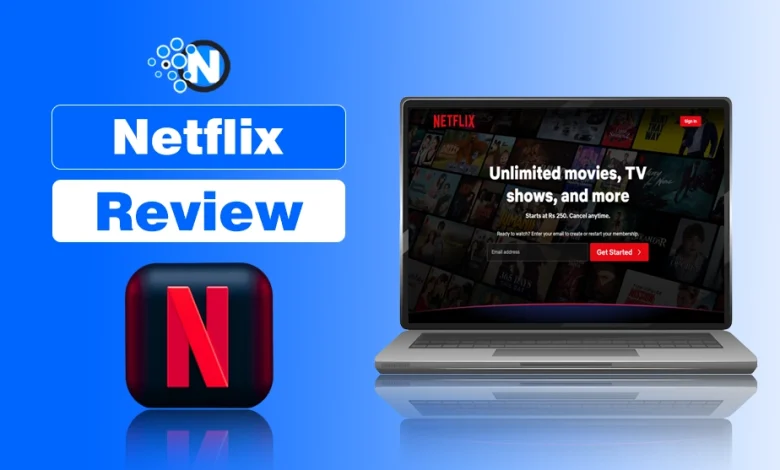
Not long ago, Netflix was convincing people to rent DVDs by mail. Now, it’s being discussed as a buyer of Warner Bros, a studio that defined Hollywood for decades.
This transformation is hard to ignore, and movie lovers may soon worry about missing their favorites in theaters. With the Warner Bros acquisition, Netflix becomes a giant and will change the industry, forcing everyone else to follow its lead to stay competitive.
As Netflix grows, competitors will be forced to rethink their strategies or risk being left behind because consumer behavior will take a shift, soon. But with great power comes great scrutiny: is this the rise of a media monopoly, and what does it mean for creators, audiences, and the future of Hollywood?
Let’s discuss everything in detail, starting with what Netflix actually is.
What is Netflix?
Netflix is a global streaming service that offers a vast library of movies, TV shows, documentaries, anime, and original content.
Founded in 1997 as a DVD rental company, it transitioned to online streaming in 2007 and now serves over 300 million subscribers worldwide. It offers a vast library of original content like Stranger Things, The Crown, and Money Heist, available in more than 190 countries.
Netflix’s expansion is not just about growth; it’s about controlling content. The WBD acquisition is valued at approximately $72 billion in equity and $82.7 billion in enterprise value. This gives Netflix access to blockbuster franchises, major IPs, and HBO Max’s streaming business.
If the deal succeeds, Netflix could further dominate content distribution, which makes theaters secondary to its streaming ecosystem.
Why the WBD Deal Matters
- Exclusive IP Access: Owning Warner Bros.’ library means Netflix can prioritize streaming releases over theatrical ones, changing how films like Batman, Dune, and Man of Steel reach audiences.
- Global Influence: Smaller studios may struggle to compete as Netflix sets global standards for streaming windows and content availability.
- Consumer Shifts: Viewers in smaller towns or budget-conscious households gain access to blockbuster films at home, but the shared cultural experience of theaters could decline.
Industry insiders like Disney’s Bob Iger have warned that the Netflix-WBD combo could disrupt theatrical business models. While deals with Paramount and other studios reveal the high-stakes negotiation environment.
Netflix’s 2025–2026 Strategy (In My Perception)
Netflix is not just focused on subscribers. Its growth strategy now includes:
- Diversified Content: Anime, live sports (boxing, WWE, NFL), and interactive shows.
- AI-Powered Recommendations: Personalized suggestions based on watch habits and viewing patterns with the integration of Artificial Intelligence (AI).
- Global Accessibility: Unlocking content internationally, with multiple audio and subtitle options.
- Enhanced Engagement: Focus on viewing hours over subscriber count, averaging ~63 minutes/day per user.
- Ad-Supported Tier: Affordable access with ad revenue expected to double in 2025.
These strategies make Netflix a platform that is hard to leave, even as pricing rises and theatrical releases diminish.
Netflix By the Numbers – Subscribers and Revenue
Only saying Netflix is popular is simply not enough to make you learn its potential. I am providing here some numbers related to the subscribers and revenue of Netflix. In this way, you will have an idea of how amazing this platform is.
Netflix Regional Revenue and Subscribers Breakdown
| Regions | Annual Revenue (2024) | Subscribers |
|---|---|---|
| USA & Canada | $17.36 Billion (around 44 % of total) | 84 Million |
| EMEA | $12.39 Billion | 101 Million |
| Asia Pacific | $4.41 Billion | 57 Million |
| Latin America | $4.84 Billion | 53 Million |
Is Netflix a Monopoly in the Making?
I would say YES, but with some exceptions.
By controlling WBD content and other major IPs, Netflix edges closer to a quasi-monopoly in streaming. Competitors like Disney+, Amazon Prime Video, and Apple TV+ still hold strong positions, but Netflix’s scale, content library, and global strategy could give it unprecedented influence.
Key Features of Netflix in 2025
Now, let’s talk about the core features that make Netflix what it is today. These are the elements that shape your entire experience, whether you are binge-watching thrillers or casually watching stand-up comedy.
1. AI-Powered Recommendations
Netflix now uses advanced AI algorithms to give you extremely personalized suggestions. It does not just go by genre anymore. It picks up on your watch time, your mood patterns based on time of day, and even how often you rewind certain scenes.
This means the homepage is different for everyone, and honestly, I find it gets better the more I use it.
2. Enhanced User Profiles
Every user on a shared account can now set custom preferences, down to subtitle style, skip intros, and even episode speed. Parental controls are much more sophisticated as well, and let you set content limits based on age, genre, or even screen time.
3. Mobile Offline Mode Upgrade
Netflix finally made its offline mode smarter. Now you can auto-download full seasons of shows you are already watching on your smartphones, and it syncs progress when you are back online. If you are someone who commutes often, it is a game-changer.
4. Global Content Access
In 2025, Netflix became more active in unlocking content globally. While some restrictions still apply, a large portion of Netflix Originals are now accessible regardless of your location. I have noticed a lot more Korean, Indian, and European series showing up, with multiple subtitles and audio options.
5. Interactive Content and Games
Netflix has doubled down on interactive shows and even light mobile games inside the app. Remember Bandersnatch? Now imagine that on steroids. Some stories let you pick your ending, and some even react to voice inputs. While it is still a work in progress, it adds a nice twist for users who like being part of the story.
6. Sleek and Fast Navigation
The interface has become smoother than ever. Whether you are using it on Smart TVs, mobile phones, or browsers, Netflix loads faster, and the layout is more intuitive. The “Continue Watching” row now adapts to your recent activity and even removes shows if you stop watching after one episode.
7. Advanced Search Filters
Netflix has finally introduced better search filters. You can now sort by release date, genre, country, IMDb rating, and even mood (like “light-hearted,” “intense,” or “family-friendly”). It makes finding something to watch way easier than in the past.
8. Auto-Trailers with Audio Off
One big win of Netflix for me is that trailers no longer autoplay with sound. You can still preview shows, but in silent mode unless you choose to hear the audio. It is such a small feature, but it makes a big difference when you are browsing late at night.
Netflix Pricing Plans 2026
The pricing model of Netflix has changed a bit, as you have three plans: Standard with ads, Standard Ad-free, and Premium Plan. You can add an extra viewer to your Premium and Standard Ad-free subscriptions by paying some additional charges to Netflix.
As Netflix isn’t offering a free trial anymore, you can search for partner deals on Xfinity and T-Mobile for cost-cutting.
Pros and Cons of Netflix
| Pros | Cons |
|---|---|
| Massive Content Library | The pricing has steadily increased |
| Global Reach | |
| Frequent Updates | |
| Highly Personalized | |
| Multi-Device Support |
Best Netflix Alternatives in 2025
If you are considering signing out of Netflix or just want to explore what else is out there, the following Netflix alternatives might interest you. I have tried most of them, and each has its own strengths.
1. Amazon Prime Video
- Market share: 22 % in the US, slightly ahead of Netflix
- Strengths: Live sports, AI-driven production cost savings, part of the $139/yr Prime bundle
- Drawback: Less diverse UI, fewer regional originals.
It comes bundled with an Amazon Prime membership and has great original shows. It also offers rentals for newer movies that are not on Netflix yet.
2. Disney+ / Hulu / Max Bundle
- Subscribers: Disney+ 126 M, Hulu 55 M
- Strengths: Massive franchise content (Marvel, Star Wars, Disney classics)
- Drawback: Bundle costs similar or higher; content overlap.
Perfect for families, Disney+ gives you everything from Marvel to Pixar and National Geographic. It is a lot more affordable if you are a fan of franchises.
3. Apple TV Plus
- Strengths: High-quality originals with awards buzz, ad-free
- Drawback: Smaller library, lack of third-party catalog.
Apple TV is slowly becoming a heavyweight in quality over quantity. The production value on Apple Originals is outstanding and ad-free.
4. HBO Max
- Strengths: Premium content (Game of Thrones, Succession)
- Drawback: Expensive, smaller user base (~97 M subscribers via Roku data).
You will find a lot of premium, darker, and more adult-oriented content here. Think Game of Thrones and Succession. A great choice if you prefer storytelling depth.
So, Should You Subscribe to Netflix?
That’s an important question, and the answer entirely depends on how you perceive this platform and what kind of streamers you are. Anyhow, I am suggesting some guidelines here that will surely help you make a choice.
If you are a frequent watcher-YES.
- You are investing in variety, personalization, and an established global brand.
- You stay ahead on new content, anime, and now sports.
If you are a casual viewer, maybe NOT.
- Alternatives may offer stronger value in your niche (families, franchises, premium singles).
I personally subscribe to both Netflix and Apple TV+ and switch between them depending on what I am in the mood for. When I want variety, global content, or anime, Netflix is my go-to. But if I am looking for high-quality, cinematic originals with strong storytelling like Ted Lasso or Severance, I turn to Apple TV+.
Both platforms bring something unique to the table, and if you are torn between the two, you might want to check out my full comparison in the Netflix vs Apple TV guide, where I break it all down in detail.
Final Thoughts on Netflix
Netflix has evolved from a DVD rental service into a media powerhouse. With WBD under its umbrella, the platform can dominate streaming and redefine the industry, for better or worse. While streaming may become the dominant entertainment medium, the magic of theaters will survive as an exclusive, immersive experience.
Whether or not it is worth your money comes down to how much value you place on seamless entertainment. If you are like me and value a rich, customizable, and global viewing experience, Netflix still deserves its spot in your app lineup.
People Also Ask
Who owns Netflix?
Netflix is a publicly traded company. Its co-founder and Executive Chairman is Reed Hastings. Ted Sarandos and Greg Peters serve as co-CEOs.
What to watch on Netflix?
Top picks include Stranger Things, Bridgerton, The Witcher, Black Mirror, and new anime like One Piece and Demon Slayer.
What’s new on Netflix?
New releases on Netflix in July 2025 include The Old Guard 2, The Sandman Season 2, Too Much, The Summer Hikaru Died, Madea’s Destination Wedding, Leviathan, and Stranger Things Final Chapter.
Does Netflix have ads?
Yes, Netflix offers an ad-supported plan at $7.99/month with limited commercial interruptions.
How much is a Netflix subscription?
Prices range from $7.99 (ad-supported) to $24.99 (premium, 4K HDR). Add-ons may apply to account sharing.