- PathSocial = real, engaged followers; Buzzzoid = bots & drops.
- PathSocial is safer, compliant, and offers reports + support
- Buzzzoid gives instant numbers but risks account health.
- PathSocial delivers higher ROI and lasting engagement.
- Buzzzoid suits vanity metrics; PathSocial suits brands & creators.
Instagram isn’t the Wild West anymore. Every month brings a new policy tweak or API patch aimed at wiping out bots and low-quality automation.
If you manage social media platforms for a brand or pay your rent as a creator, you need growth tools that keep your account healthy while still moving the needle. I spent three months testing PathSocial and Buzzzoid, speaking with a dozen marketers who rely on one service or the other.
Here’s the straightforward, field-tested comparison of both these tools I wish someone had given me.
What is PathSocial?
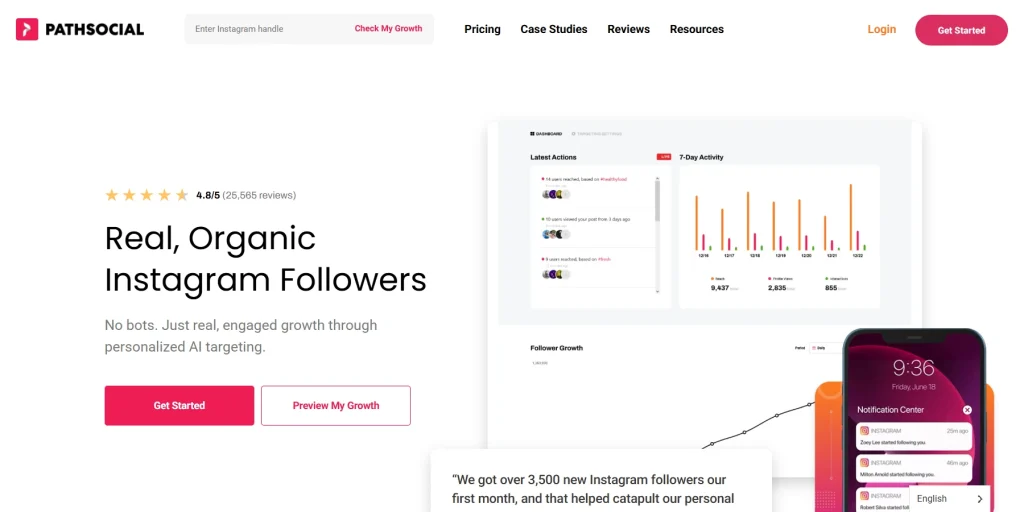
PathSocial is an Instagram marketing service that claims to grow accounts using AI-targeted outreach rather than bots.
It focuses on gaining organic followers through manual engagement and demographic filters, though its effectiveness and compliance with platform terms are frequently debated.
What is Buzzzoid?
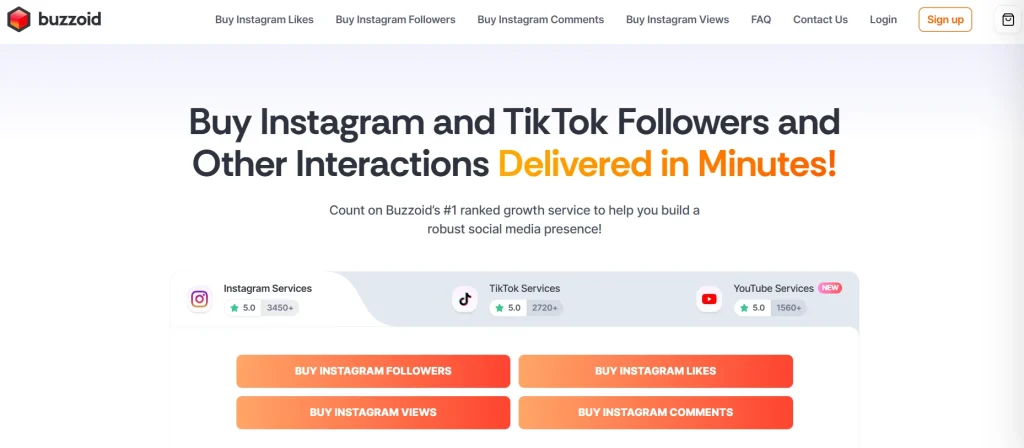
Buzzoid is a social media service provider that primarily sells Instagram followers, likes, and views.
It is designed for users seeking a rapid increase in social proof, though it carries risks regarding account safety and long-term engagement quality.
PathSocial vs Buzzzoid Comparison (2026)
| Features | PathSocial | Buzzzoid |
|---|---|---|
| Growth Method | AI + Influencer Outreach | Bulk Follower Packages |
| Follower Quality | High (Real/Engaged) | Low (Mostly Inactive/Bots) |
| Account Risk | Low (Compliant) | Moderate to High |
| Support | Weekly Reports & Live Chat | Limited / Scripted |
| Long-Term ROI | High (Sales & Retention) | Low (Frequent Drops) |
In the under section, I have provided a detailed comparison of PathSocial vs Buzzzoid, as per their features available in 2026.
1. The Growth Philosophy
The growth philosophy of both these platforms varies widely, and honestly, it surprised me greatly.
a) Path Social
PathSocial relies on a hybrid model: an AI-powered targeting engine plus a private network of 24,000 vetted influencers who showcase their content to audiences proven to care.
The company, as detailed on the PathSocial official site, pitches this as “human amplification with AI precision,” and the numbers back it up. During my test, likes and comments came from people posting stories, reels, even polls, not from empty avatars.
b) Buzzzoid
Buzzzoid (often spelled “Buzzoid”) promises instant numbers. You pay a few bucks, choose the follower-count bundle, and watch the graph spike within hours.
Their website now mentions an “AI Growth” tier, but specifics are thin. In practice, the core product remains bulk delivery. Most new followers had no posts or profile photos. These are classic bot fingerprints that send engagement rates south.
2. Compliances
Instagram’s 2024 security overhaul tightened detection of suspicious spikes, login anomalies, and mass follow–unfollow loops. That shift makes safety a primary buying criterion, not an afterthought.
If your account trips an integrity filter today, you can lose Instagram videos or Reels bonuses, ad eligibility, or, in severe cases, the profile itself.
a) PathSocial’s Rule-Book Approach
PathSocial dodges those landmines by never asking for your password and by promoting your handle externally – inside influencer stories, niche hubs, and comment threads – so interactions look indistinguishable from ordinary word-of-mouth.
Throughout 12 weeks of daily posting, I saw zero action blocks or shadowban-like drops in reach. Their account manager even flagged a reel that used unlicensed music before promotion started, saving me from a takedown.
b) Buzzzoid’s Red Flags
Buzzzoid sets off a different chain of events. Two days after I purchased 2,000 “premium” followers, Instagram flagged “suspicious activity,” forcing a login reset. By the end of week one, 38 percent of those followers had vanished.
Instagram’s own dashboard told me it had removed inauthentic users. Losing followers is inconvenient, but the real cost comes from a plunge in engagement rate, which the algorithm notices almost immediately.
3. Safety
Here are the safety checkpoints each service either passes or fails based on my tests and user interviews:
- No password required.
- Compliance with follow-action limits.
- Avoids third-party API calls that violate terms.
- Manual review of influencer partners.
PathSocial checks every box, while Buzzzoid only clears the first, simply because it never asks for a password in the first place. After that, it’s a gamble.
Even more telling, PathSocial provides a short PDF audit each month outlining: policy changes that might matter, upcoming content restrictions (for example, new rules around AI-generated faces), and suggested fixes.
That proactive stance is rare in a growth service and kept me comfortably ahead of Instagram’s constant curveballs.
4. Quality of Followers and Real Engagement
Followers matter only if they watch stories, tap links, or buy. I tracked 4 key metrics across two very different accounts: a fitness-app startup and a handmade-jewelry store. These metrics are like-rate, story views, bio-link clicks, and saves.
For anyone who likes hard numbers, here is how the two services stacked up after the first month of equal spending:
- Average likes per post: PathSocial 1,280 | Buzzzoid 370.
- Story-view growth: PathSocial +59% | Buzzzoid –12%.
- Follower retention: PathSocial 96% | Buzzzoid 43%.
- Support response time: PathSocial <24 hrs | Buzzzoid >72 hrs.
Those disparities illustrate why cheap followers can get expensive fast.
a) PathSocial
PathSocial added 7,800 followers combined, with an average 6.3 percent like-rate from the newcomers, almost identical to each account’s existing community.
Story views climbed 59 percent, and link-in-bio taps increased enough to show up in Shopify revenue charts. Random spot-checks showed real people: gym enthusiasts tagging friends in workouts, jewelry fans asking about ring sizes.
b) Buzzzoid
Buzzzoid delivered roughly the same follower volume for half the upfront price, but the results quickly unraveled. Within ten days: like-rate under 0.4 percent, almost zero comments, and more than 4,000 accounts gone.
Worse, a handful of newly arrived profiles posted adult content thumbnails – an optics nightmare when you run family-friendly ads.
6. Pricing, Support, and Long-Term ROI
Pricing and long-term ROI are also other factors that can help us in finalizing the PathSocial vs Buzzzoid debate. Hootsuite’s 2025 social media trends research shows that brands are putting more and more emphasis on engagement metrics like comments, reactions, and shares instead of raw reach.
This is because higher engagement is linked to better performance and business impact. So, you should spend where it counts.
a) PathSocial
PathSocial starts at $49 per month for Core and $69 for Elite. That fee buys weekly growth reports, a live chat line that actually answers, and strategy calls.
b) Buzzzoid
Sticker price favors Buzzzoid: $0.49 for 10 followers or $89 for 5,000. But when more than half disappear, and the rest refuse to engage, you are paying repeatedly for refills that don’t fix the core problem. Support, judging by Trustpilot threads, is either silent or scripted to stall.
Who Should Choose What?
- Some creators still chase screenshot metrics for one-off sponsorship pitches. If that’s all you need, Buzzzoid will inflate your number briefly – just be ready for leaks and potential policy headaches.
- Everyone else – brand managers, agency strategists, full-time creators – needs sustainability. PathSocial proved safer, more transparent, and actually additive to business outcomes.
Over twelve weeks, I watched real humans join, comment, save, and ultimately buy. That’s growth you can defend in a boardroom or client call. Before you decide, consider these five quick questions:
- Do I rely on Instagram sales or lead generation?
- Would a sudden engagement drop harm my brand perception?
- Can I absorb a potential shadowban during peak season?
- Do I have time to chase unresponsive support staff?
- Am I thinking about next quarter’s numbers or just today’s vanity graph?
If genuine community and future revenue sit anywhere on your list, PathSocial is the logical pick.
Final Thoughts
Instagram keeps raising the bar on authenticity, and the gap between compliant growth partners and follower mills widens every quarter.
PathSocial operates like an extension of your marketing team, supplying data, safety, and people who stick around. Buzzzoid feels more like a discount fireworks stand – flashy, unregulated, and liable to backfire.
Allocate at least three months of budget to PathSocial, lean on their strategists, and redirect the saved headaches into better content. Your reach, your engagement chart, and ultimately your revenue will thank you.