How Insur-Tech is Changing Health Insurance: Digital Claims, AI Underwriting and Smarter Cover

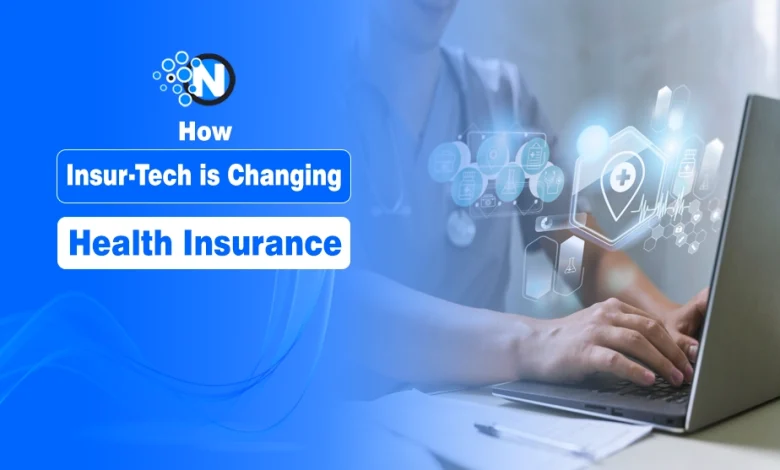
Technology is reshaping how insurance cover is selected, serviced and claimed. Paper files are giving way to secure online records, and manual checks are supported by AI automation. Policy documents are easier to access, and decisions arrive with clearer audit trails.
These shifts reduce friction for policyholders and providers while keeping oversight visible. By blending technology with insurance, companies are making health coverage faster, smarter, and more personal than ever before.
The global insurtech market size is anticipated to reach USD 239.2 billion by 2033, growing at a CAGR of around 26-27%.
This blog post explains how digital systems influence claims, underwriting, and cover design, and how they are changing the experience of buyers when they plan to buy medical insurance.

The Rise of Insur-Tech in Health Insurance
Policyholders expect clear information, quick responses and reliable service. Digital adoption supports these expectations by creating consistent touchpoints for proposals, endorsements and claims.
It also improves access for households outside major cities through portals that operate on low bandwidth and standard devices. As awareness grows, more people consider coverage earlier in life and keep records ready for time-critical situations.
How Insur-Tech is Changing Health Insurance
Digital Claims: Speed, Accuracy and Transparency
Online claim intake replaces scattered paperwork with structured fields and standard formats for medical insurance. Real-time validation checks the presence of key documents at the time of submission. Status updates guide the process from intimation to settlement, which reduces uncertainty for cashless and reimbursement cases.
Key improvements include:
- Guided forms that lower the chance of missing information
- Automated rules that flag discrepancies before assessment
- Clear milestones for pre-authorisation, documentation and decision
- Audit trails that help resolve queries quickly
These improvements support customer confidence and reduce rework for hospital desks, third-party administrators and insurer teams.
AI Underwriting: Smarter Assessment and Tailored Decisions
AI supports underwriting by analysing structured disclosures, historical policy data and validated treatment terms. The outcome is a more consistent view of risk that still leaves room for human judgment on complex files.
Benefits include:
- Improved accuracy through pattern recognition on verified inputs
- Faster processing for standard proposals, which shortens decision time
- Clearer reasoning for accept, load or defer outcomes
With clearer information at the proposal stage, applicants can buy health insurance that aligns with their medical history, budget and preferred providers.
Smarter Cover Driven By Technology
Technology enables a flexible policy structure. Modular benefits and riders allow limits to be adjusted without rebuilding the base plan. Digital tools show the impact of each change on premiums and coverage, so buyers can choose what is relevant at different life stages.
Important things:
- Customisable add-ons for room rent preferences, day-care procedures and teleconsultations
- Data-led recommendations that suggest limits based on typical costs in a chosen city
- Plain-language wording on inclusions, exclusions, sub-limits and waiting periods
Clarity and relevance make the cover easier to understand at purchase and more predictable at claim time.
Better Customer Experience Through Digital Tools
Portals and mobile apps centralise policy schedules, endorsements and claim records. Chat and call-back options reduce time on hold, while notifications improve compliance with renewal dates and KYC requirements.
The terms page explains benefits and typical claim documentation so policyholders can prepare early. These features also help users compare a mediclaim policy with other plan types using the same definitions and service metrics.
Market Growth Encouraged By Insur-Tech Advancements
Operational efficiency improves when intake, validation and decision steps use standard data formats. Provider networks are easier to maintain, and service metrics become more consistent across regions.
Also, interest in health insurance rises among younger families and among segments that previously relied solely on employer coverage. This broadens adoption and supports continuity of protection.
Key Challenges in the Insur-Tech Transition
Progress depends on robust data protection and responsible use of analytics. Insurers need consent-led practices, minimum collection principles and strict access controls. Digital literacy gaps can limit usage, so service channels must remain accessible through assisted modes.
Models should be tested for fairness, monitored for drift and explained in plain language so applicants understand how information contributed to outcomes.
The Future of Health Insurance in a Digital Era
Data-driven services are expected to expand across authorisations and documentation. Interoperability between hospitals, TPAs and insurers will continue to improve, which supports quicker decisions and clearer records.
Underwriting will retain a human review path for complex files, while routine assessments will benefit from automation. Claims administration will become more standard, with status visibility across each step.
The Bigger Picture
Insur‑Tech isn’t just about convenience; it’s about reshaping the relationship between insurers and customers. Instead of being seen as a necessary burden, health insurance is becoming a supportive partner in your wellness journey.
- For customers: Less stress, faster service, and policies that make sense.
- For insurers: Lower costs, fewer errors, and happier clients.
- For society: A healthier population supported by smarter, more accessible coverage.
Final Thoughts
Insur-tech is strengthening the core functions of the insurance industry. Digital claims improve speed and transparency. AI-supported underwriting promotes consistent assessment with human oversight. Technology-enabled coverage is more adaptable and easier to manage.
Careful reading of policy wording, accurate disclosures and regular review of limits help households shortlist options and avoid gaps. There is no single best health insurance, so a structured comparison is the most reliable way to select and maintain cover.