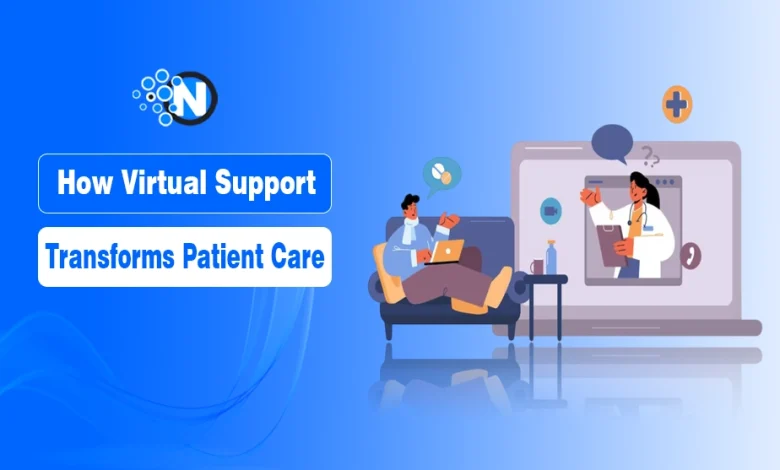
Virtual support is changing healthcare by reducing burnout, cost savings, and early detection of diseases. Today, a 75-year-old in rural Montana can check blood pressure, speak to a cardiologist, adjust medications, and book follow-ups all from home.
In this article, I will discuss how virtual support is transforming patient care through telehealth, remote monitoring, AI triage, virtual nursing, and care management platforms.
These tools are saving lives, reducing costs, lowering provider burnout, and making healthcare more accessible and human.
What “Virtual Support” Actually Means?
Virtual support connects healthcare to patients’ daily lives with telehealth, AI chatbots, and real-time remote monitoring. These technologies enable providers to deliver proactive and continuous care instead of reacting after problems arise.
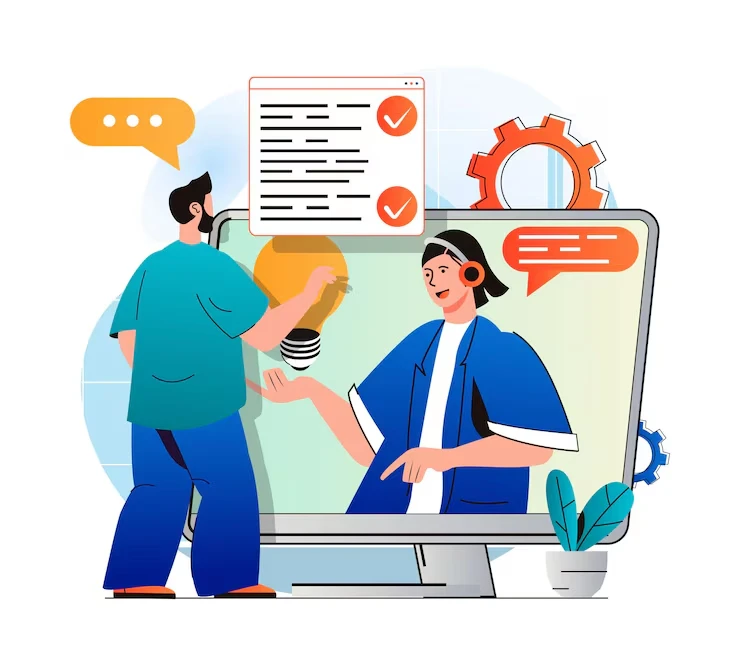
Virtual tools expand access for remote patients and streamline clinical workflows, so care teams can intervene earlier, tailor treatments, and reduce administrative work.
- Telemedicine: Real-time video or audio consultations that eliminate geographic barriers to specialist care.
- Remote Patient Monitoring (RPM): Using wearable devices to transmit physiological data like heart rate or glucose levels to doctors.
- Virtual Nursing: Remote clinicians who handle admissions and discharge education via screens to support on-site staff.
- AI Triage: Chatbots and symptom checkers that guide patients to the appropriate level of care 24/7.
- Digital Therapeutics: Software-based interventions and VR therapy used to treat chronic pain, PTSD, or behavioral health issues.
But virtual support does not begin with clinical tools alone. It often starts with the very first patient interaction.
Practices that answer the phone promptly, triage requests, and make scheduling easy create a positive first impression that breeds an in-person appointment.
Those that divert calls to voicemail, leave patients in never-ending hold queues, or have staff who cannot answer simple questions lose out on potential patients before even getting a chance to showcase their clinical prowess.
My Mountain Mover medical virtual assistants are helping practices overcome this, and it’s directly connected to how many patients set appointments after the initial call.
How Virtual Support Is Changing Patient Care?
Virtual support transforms healthcare delivery. It replaces episodic, in-person visits with continuous, patient-centered care. Technology improves access, streamlines operations, enables remote monitoring, and provides advanced diagnostic and therapeutic tools. This lets providers manage care proactively and deliver personalized medicine.
Early Detection and Prevention
Virtual support enables proactive healthcare. Constant monitoring and data analysis catch health issues early, before they become critical. Wearable biosensors send real-time data, and AI analyzes it for subtle changes.
Providers get custom alerts and can act quickly. This approach focuses on prevention, allows earlier intervention, manages chronic conditions better, and improves long-term outcomes.
- Real-Time Data: Continuous data streams from devices allow for immediate identification of deteriorating health.
- AI Analytics: Machine learning predicts potential health crises using patterns in patient data.
- Chronic Condition Management: Better tracking of vitals helps manage diseases like diabetes and heart disease effectively.
Access for Everyone – Especially Underserved Communities
Virtual support breaks down barriers such as geography, mobility, and time to promote health equity. It opens a digital front door to the healthcare system for rural, elderly, and underserved groups.
Video visits and online resources let everyone access timely, quality medical advice and specialist care at home.
- Geographic Barriers Removed: Eliminates the need for long-distance travel to specialist centers.
- Specialist Access: Connects remote patients to world-class specialists regardless of location.
- Convenience and Timeliness: Ensures timely access to care, reducing delays in diagnosis and treatment.
Reducing Burnout for Doctors and Nurses
It eases pressure on healthcare professionals by shifting tasks and streamlining workflows. Virtual nurses manage admissions and discharge education remotely, so bedside staff can focus on direct patient care.
Chatbot automation reduces routine questions, raising job satisfaction, improving work-life balance, and enhancing care quality.
- Task Reallocation: Shifts paperwork and non-physical tasks to remote virtual staff.
- Focus on Hands-On Care: Allows bedside nurses more time for direct patient interaction and critical tasks.
- Administrative Relief: AI assistants reduce time spent on documentation and clerical duties.
- Better Work-Life Balance: Offers flexible, remote work options for experienced clinicians.
- Improved Job Satisfaction: Reduces the feeling of being overwhelmed by administrative burden.
Massive Cost Savings
Virtual support cuts healthcare costs by preventing expensive treatments and using resources efficiently. It reduces operational expenses by shrinking the need for physical space and extra staff hours.
- Reduced Hospitalizations: Proactive monitoring prevents conditions from escalating to emergency levels.
- Lower Operational Costs: Decreases overhead associated with physical clinic maintenance and utilities.
- Optimized Resource Use: Frees up hospital beds for critical patients, improving capacity management.
- Cheaper Consultations: Virtual visits are a more cost-effective alternative to traditional appointments.
Real-World Examples That Prove It Works
Real-world data and hospital success stories demonstrate that virtual support is not just a modern convenience but a proven driver of clinical and financial results.
1. Virtual Nursing: Efficiency and Retention
Hospitals use remote nurses to offload documentation, allowing on-site staff to focus on critical bedside care.
- Lee Health: This health system has achieved sustained improvements in patient satisfaction and quality ratings, with specific hospitals earning “A” grades from The Leapfrog Group.
- Operational Wins: Pilots found that virtual nurses could handle patient calls without an on-site nurse ever needing to enter the room.
2. Remote Patient Monitoring (RPM)
Continuous monitoring of vitals like heart rate and weight can prevent major medical emergencies.
- Heart Failure Breakthrough: A retrospective study using the Cordella HF System showed that daily RPM reduced emergency room (ED) visits for heart failure by 93%.
- Cost Savings: Penn Care at Home achieved a 73% reduction in all-cause 30-day hospital readmissions, dropping its rate.
3. Virtual Reality (VR)
Immersive digital environments are proving more effective than traditional methods for specific clinical needs.
- Pediatric Care: A pilot study at St George’s University Hospitals NHS Foundation Trust found that using VR during procedures gave 100% of patients better experiences, 80% less pain, 73% less anxiety, and 94% more relaxation.
- Mental Health: In a study, patients with severe phobias, over 90% fully overcame their anxiety using VR therapy from XRHealth.
4. AI-Driven Access and Support
AI tools serve as a “digital front door,” especially for underserved or high-volume populations.
- Triage Success: Canada’s first Virtual Pediatric ED successfully managed over 1,000 visits, with 87% of parents reporting excellent satisfaction and significantly reduced hospital overcrowding.
- Global Impact: In Liberia, UNICEF’s U-Report chatbot identified that 86% of children surveyed were facing exploitation by teachers, leading to immediate government policy changes.
Virtual Support is the Future of Patient Care
Virtual support is changing healthcare by making care accessible, efficient, and personalized. As someone who values innovation, I see how telehealth, remote monitoring, and AI tools empower patients and providers, lowering costs, improving early detection, and helping underserved communities.
These solutions streamline workflows, support healthcare professionals, and lead to better care and outcomes. Adopting virtual healthcare means you and your loved ones get proactive, convenient, and equal care, wherever you are.