- Modern restaurant technologies are transforming operations, improving efficiency, and enhancing customer experiences.
- Contactless solutions like tableside ordering, mobile apps, and self-service kiosks reduce wait times and increase convenience.
- AI, chatbots, and data-driven personalization help deliver faster service and tailored dining experiences.
- Smart kitchens, automation, and cloud-based POS systems streamline workflows, reduce costs, and provide real-time insights.
- Advanced innovations like AR/VR and digital engagement tools create immersive and memorable dining experiences.
With rapid advancements in technology, the restaurant industry is evolving faster than ever. What was once a simple dine-in experience has now become a digitally enhanced journey, from browsing menus to making payments and even interacting with brands after leaving the restaurant.
Today, restaurants are not just serving food, they’re delivering smart, personalized, and seamless experiences. Technology is helping businesses improve customer satisfaction, streamline operations, reduce costs, and ultimately boost profitability.
In this guide, let’s explore the top restaurant technologies transforming the dining experience in 2026 and how they benefit both businesses and customers.
Top Restaurant Technologies Revolutionizing Dining Experience
Tableside Ordering and Payment
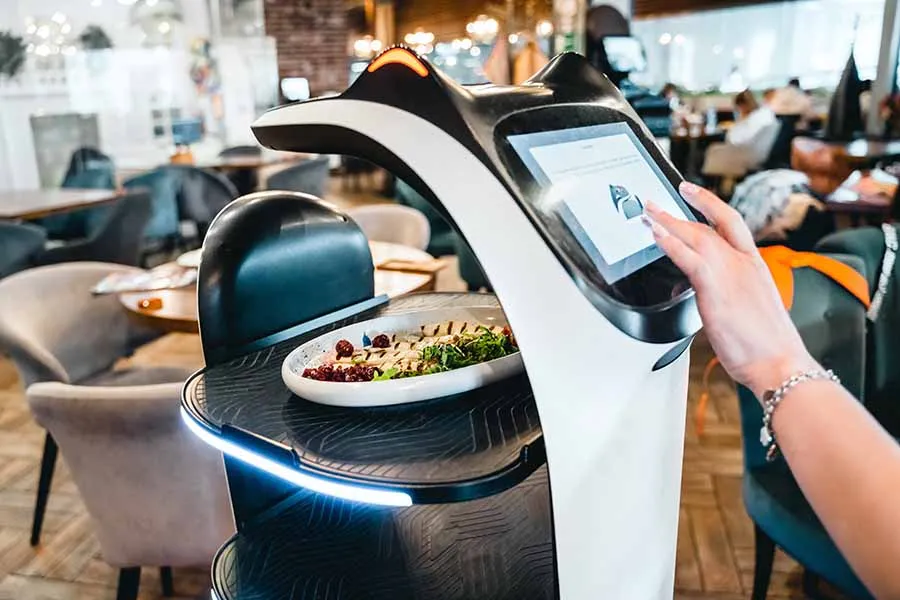
Gone are the days of waiting for servers to take orders or bring the bill. Modern restaurants now use Tableside ordering systems that allow customers to:
- Browse digital menus on tablets or smartphones
- Place orders instantly
- Pay bills without waiting
Why it matters:
- Reduces order errors
- Speeds up service
- Improves customer satisfaction
- Enables fully contactless dining
Smart Kitchen Technology
The kitchen is becoming smarter with automation and IoT-powered tools. From AI-powered ovens to real-time inventory systems, restaurants can now:
- Maintain precise cooking temperatures
- Automate repetitive cooking tasks
- Track ingredient usage and reduce waste
Key benefits:
- Consistent food quality
- Lower operational costs
- Better inventory control
- Reduced human error
Automated Kiosks
Self-ordering kiosks are now a staple in fast food and casual dining. These kiosks allow customers to:
- Place customized orders
- Skip long queues
- Make quick payments
Why restaurants love them:
- Faster order processing
- Increased order value (upselling suggestions)
- Reduced staff workload
One solution for restaurants looking to adopt this technology is the self-order kiosk app, which offers an easy-to-use interface for customers and improved workflow for staff members.
Customizable Loyalty Programs and Apps
Restaurant apps are no longer optional, they’re essential. Modern apps offer:
- Digital ordering & delivery
- Reward-based loyalty programs
- Personalized offers and discounts
- Push notifications for promotions
Impact:
- Higher customer retention
- Increased repeat visits
- Stronger brand engagement
AR & VR Dining Experiences
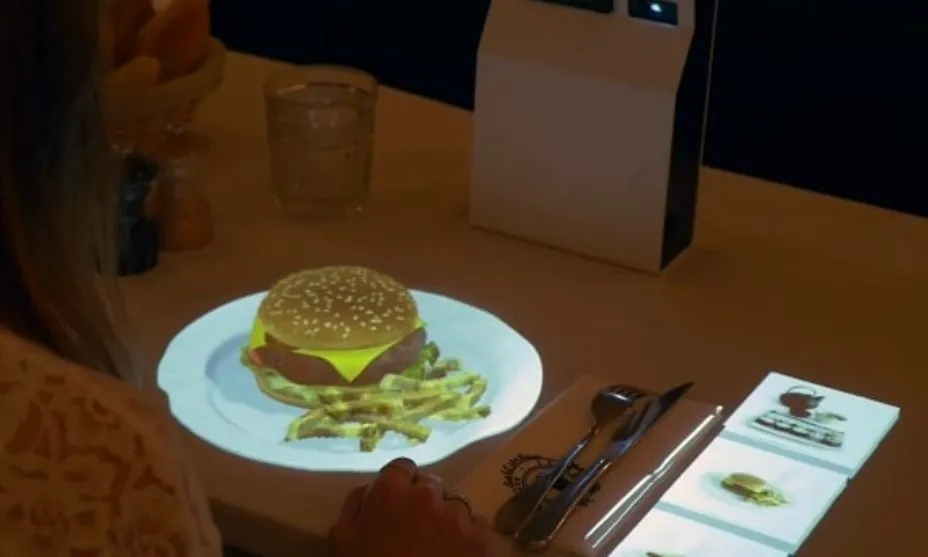
Augmented Reality (AR) and Virtual Reality (VR) are bringing a new level of engagement. Examples include:
- 3D menu previews using AR
- Immersive VR dining environments
- Interactive storytelling experiences
Why it stands out:
- Differentiates brands in a competitive market
- Enhances customer engagement
- Creates memorable dining experiences
Artificial Intelligence and Chatbots
Artificial intelligence is redefining how restaurants interact with customers. AI-powered chatbots can:
- Take reservations
- Answer menu-related queries
- Provide dietary and allergy information
- Recommend dishes
Result:
- Faster customer support
- 24/7 availability
- Reduced workload on staff
Data-Driven Personalization
Restaurants are now using data to deliver hyper-personalized experiences. By analyzing customer behavior, they can:
- Recommend favorite dishes
- Offer targeted discounts
- Customize menus based on preferences
Benefits:
- Better customer experience
- Increased order value
- Stronger loyalty
Mobile/Tablet-based POS Systems
As technology increasingly makes its way into the restaurant industry, mobile and tablet-based point-of-sale systems have gained considerable popularity. These wireless systems offer greater mobility and flexibility, enabling staff members to take orders and process payments more efficiently from anywhere within the restaurant.
Cloud-based solutions like Gloria Food restaurant POS system help restaurants:
- Manage orders in real time
- Track sales and performance
- Integrate online and offline operations
They also enable:
- Multi-location management
- Remote access to data
- Seamless reporting
Conclusion
Technology is no longer just an add-on in the restaurant industry; it’s the backbone of modern dining.
From AI-driven personalization to contactless ordering and smart kitchens, these innovations are reshaping how restaurants operate and how customers experience food.
In short, the future of dining is digital, data-driven, and customer-centric, and the time to adapt is now.