Google Expands Gemini Into Integrated Music Production Suite With Lyria 3
Google launches Lyria 3 powered AI music generation in Gemini, expanding YouTube creator tools globally with built-in verification safeguards.

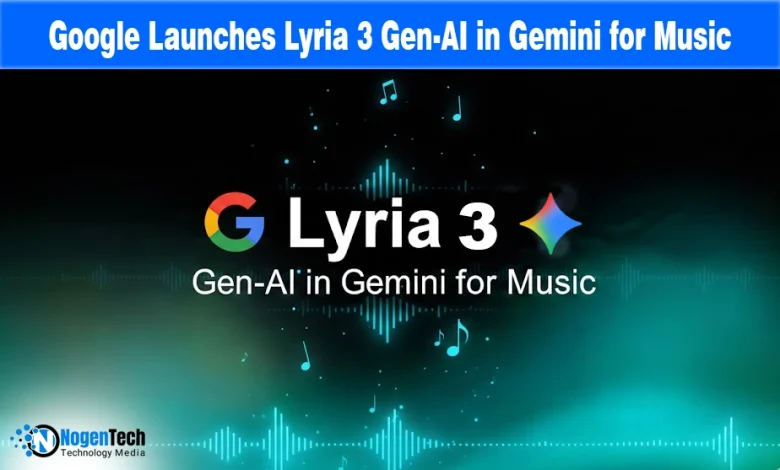
Google has introduced music generation capabilities inside its Gemini app, powered by Lyria 3 from Google DeepMind. The beta rollout enables users aged 18 and older to generate 30-second songs using text prompts or uploaded media. The feature marks Google’s most significant consumer-facing expansion into AI-driven audio creation to date.
Google Details Lyria 3 Capabilities in Official Announcement
In its official blog announcement, Google positioned Lyria 3 as its most advanced generative AI system for music generation to date, emphasizing accessibility and creative flexibility. T
he company stated that users no longer need to provide lyrics, as the model automatically generates them based on prompts. It also offers greater control over style, vocals, and tempo, while producing more realistic and musically layered tracks compared to earlier versions.
Users can generate songs from written descriptions or upload photos and videos to influence tone and mood. Each track includes AI-generated cover art and is embedded with SynthID watermarking technology. Google also expanded in-app verification tools, allowing users to upload audio files to check if they were created using Google AI systems.
Creator Expansion and Industry Impact
Reporting by TechCrunch noted that Lyria 3 is also being integrated into YouTube through Dream Track, a feature designed for Shorts creators. Previously limited to U.S. users, the rollout is now expanding internationally, giving creators access to AI-generated lyrical verses and background music within the platform.
The publication also pointed to the broader industry debate around AI music. Google clarified that while prompts can reference artists, the system generates music inspired by general style rather than replicating specific performers. Safeguards are designed to filter outputs against existing works. The expansion comes amid an ongoing copyright dispute between AI developers and music rights holders.
Why This Integration Matters
Google’s move into AI music extends Gemini’s capabilities from a chatbot and image generation tool into integrated audio production. The expansion reflects how generative AI tools are increasingly being positioned as creative assistants.
By unifying text, video, and audio production, Google is consolidating multiple generative functions within Gemini. Meanwhile, it addresses copyright concerns with SynthID before they reach the courtroom.
This integration adds to an ongoing, broader industry debate regarding how AI-driven production may influence creative workflows.
The Next Creative Infrastructure
The launch of Lyria 3 inside Gemini marks a broader consumer rollout of AI-generated music tools. The company has combined consumer accessibility, creator platform integration, and content verification safeguards in one place. The feature lowers production barriers by allowing users to generate short tracks without traditional audio software.
The rollout reflects how generative AI is steadily moving from novelty toward embedded digital utility across major technology ecosystems.
Source: A new way to express yourself