- Custom healthcare software provides flexibility, scalability, and long-term efficiency.
- AI, cloud computing, and automation are transforming modern healthcare systems.
- Costs vary based on complexity, features, and compliance requirements.
- Choosing the right development partner is critical to project success.
- Long-term planning matters more than short-term savings.
At some point, every healthcare organization hits the same wall.
Systems that once supported growth start slowing everything down. Patient data is scattered across platforms, workflows become unnecessarily complex, and your team spends more time navigating software than actually caring for patients.
That’s usually the moment when leadership starts seriously considering custom healthcare software.
In 2026, the conversation is no longer about whether to invest in digital transformation; it’s about doing it the right way. With rapid advancements in healthcare technology, patient expectations are higher than ever, and organizations that rely on outdated or rigid systems risk falling behind.
In this guide, I will explain what custom healthcare software really offers, how much it costs, the trends shaping the industry, and how to choose a development partner that sets you up for long-term success.
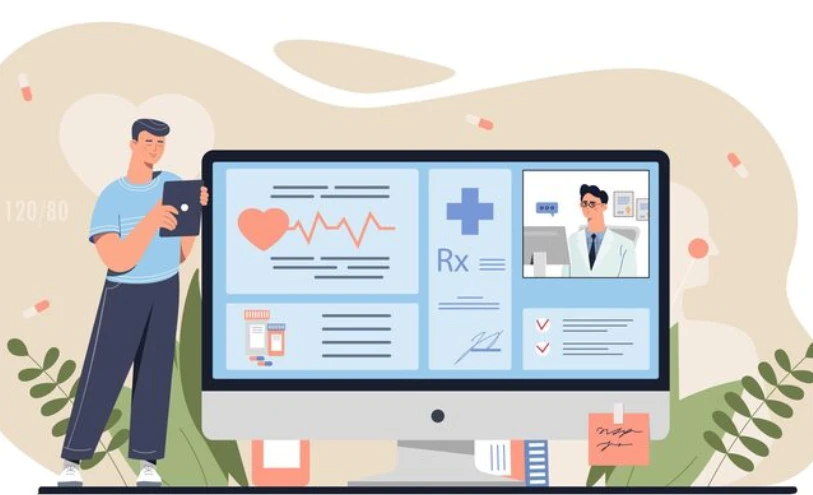
Why Custom Software Is a Strategic Advantage?
Off-the-shelf platforms promise quick deployment, which often triggers bottlenecks over time. Each healthcare organization has unique workflows and patient engagement models, so delivering equal value to all is impossible.
This is where custom medical software development flips the approach entirely. Instead of forcing your team to adapt to technology, technology is built around your reality. For example, with wellness and healthcare software development services by Lumitech, you get systems that:
- Align with your exact clinical and operational workflows
- Integrate seamlessly across tools
- Scale supporting long-term growth
- Ensure compliance and security without compromise
Whether you are investing in custom healthcare application development for a hospital network or launching a niche wellness product, the difference is that custom software works with you, not against you.
The Trends Redefining Healthcare Software
If you are planning a digital product today, you are building for what healthcare will look like in the next 5–10 years. Let’s see the trends that matter most right now.
1. AI Is Becoming the Silent Partner
The integration of AI in healthcare software moves beyond experimentation. It brings measurable, practical outcomes you can experience in everyday clinical and administrative processes.
AI is quietly removing friction across predictive diagnostics, intelligent scheduling, and automated documentation. The real advantage is that it frees up precious human time for patient care.
2. The Shift to Cloud Is Complete
Cloud-based healthcare software is now the standard rather than the exception. Healthcare today is not confined to one location as it was in the past. So doctors, patients, and administrators all need real-time access to data instantly and in a secure way.
Cloud solutions provide that flexibility. They also reduce infrastructure costs and improve system resilience.
3. UX Is Becoming a Business Priority
Let’s be honest, many healthcare systems have historically been frustrating to use. That is actively changing today.
Modern healthcare UX design focuses on such critical aspects as ease of use, performance, and clarity. Intuitive software does more than just upgrade. It is an operational power, making clinicians work more efficiently, and patients engage better.
4. Automation Is Driving Efficiency
Healthcare professionals shouldn’t be buried in repetitive administrative tasks. From appointment scheduling to billing and reporting, healthcare workflow automation helps organizations:
- Reduce manual errors
- Save time
- Improve overall productivity
It is one of the fastest ways to see ROI from digital transformation.
5. Wellness Platforms Are Booming
Healthcare served only for treatment previously. It has started to span prevention, lifestyle, and long-term wellbeing in recent years. This shift is fuelling demand for:
- Health and wellness app development
- Corporate wellness tools
- Digital coaching platforms
As a result, wellness platform development and wellness software development services are becoming key growth areas, especially for startups and forward-looking healthcare brands.
6. Data Is the New Backbone of Healthcare
Every interaction generates data, but it can be underutilized if there are no proper systems. Strong healthcare data management allows organizations to:
- Make informed clinical decisions
- Spot trends and risks
- Enhance patient outcomes
In many ways, the quality of your software determines the quality of your insights.
What Does Healthcare Software Development Really Cost?
The question every executive asks early on: What is the real healthcare software development cost? The honest answer is it depends. But understanding the main drivers facilitates planning in a more strategic way.
Complexity Defines the Baseline
- Simple apps range from $30,000 to $80,000
- Mid-level platforms fall between $80,000 and $200,000
- Advanced systems like AI or large-scale solutions cost $200,000+
Features Drive the Investment
The more advanced your system, the higher the cost. Features like:
- Healthcare workflow automation
- Advanced analytics and reporting
- AI-driven modules
- Integrations with third-party platforms
all add layers of complexity, and value in turn.
Compliance Is Non-Negotiable
Sticking to regulatory standards in healthcare is equally essential as security and data privacy. These requirements increase development effort but protect your organization in the long run.
Team Structure Matters
Hiring a reliable healthcare software development company is not only a matter of cost. It may also impact outcomes. Though offshore teams usually offer lower rates, expertise and communication should always be focal points.
Think Beyond Launch
You should be aware that maintenance, updates, and scaling are ongoing investments. The most successful organizations plan for evolution that lasts, not just initial development.
How to Choose the Right Healthcare Software Development Company?
If there is one decision that can make or break your project, it is opting for the development company. Here are things to carefully consider before committing.
Look for Real Healthcare Expertise
Beyond understanding the code, a strong healthcare software development company knows how healthcare is arranged and what it needs for great performance. That includes compliance, workflows, and patient-centric thinking.
Prioritize Technical Depth
Your partner should be fluent in:
- Cloud-based healthcare software
- AI in healthcare software
- Scalable architectures and integrations
You are not just embracing software but creating infrastructure for growth.
Make Sure It Is Truly Custom
Some vendors offer ‘customization’ that is really just tweaking templates. True custom healthcare application development starts from scratch, aligning with your specific goals and processes.
Go For End-to-End Support
From strategy to deployment and everything in between, full-cycle development delivers consistency and quality. If you are exploring trusted partners, Lumitech services offer a stunning example of how tailored solutions can support both healthcare providers and wellness-focused businesses in building scalable, future-ready platforms.
Don’t Overlook UX
Even the most powerful system fails if people don’t want to use it. A partner with robust healthcare UX design capabilities will ensure your product is intuitive and effective.
Communication Is Gold
Transparency, regular updates, and clear timelines are those things you are better off not skipping. You want a partner who feels like an extension of your team, not just a vendor.
Final Thoughts: Build for the Future, Not Just Today
Each company has different best healthcare software solutions. Yet they all pursue crafting systems for better patient care and workflows.
New healthcare technology is rising, which only widens the gap between leaders and laggers. So if you adopt innovation, considering usability and scalability beyond the cost, shaping the future of healthcare will be yours.
The right software doesn’t just solve today’s challenges, it quietly unlocks tomorrow’s opportunities.