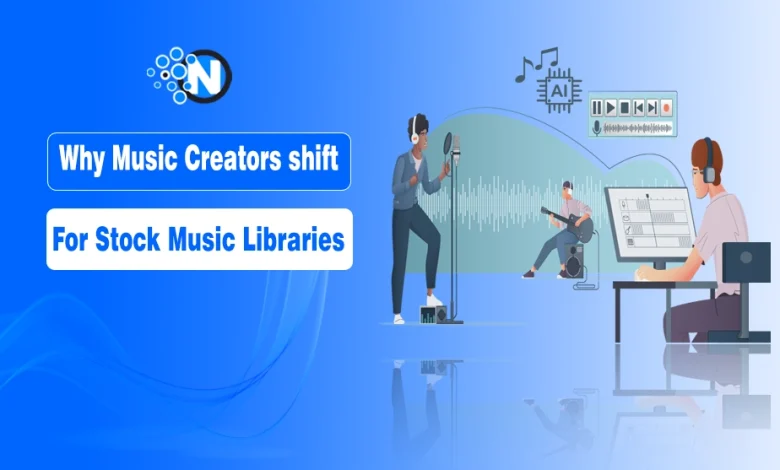
Stock music libraries once saved time, but today they limit creativity. DIY AI instrumentals empower creators to generate custom cues faster, reduce licensing friction, and build personal catalogs that reflect their identity.
For more than a decade, stock music libraries were the go‑to solution for creators who needed quick, affordable tracks. They solved a real problem: instead of hiring a composer or spending hours producing music, you could search by mood, pay a predictable fee, and instantly download a track for your project. For YouTube intros, brand videos, podcast bumpers, or ads, this was the simplest route.
But the creative landscape has changed dramatically. Today’s music creators are not just publishing occasionally — they are releasing content constantly, iterating weekly, and building recognizable styles across multiple platforms. These days, stock music often feels like a compromise. You are choosing from what already exists, then trying to make it fit your pacing, tone, and identity. Even when you find a track that works, it rarely arrives in the exact structure you need.
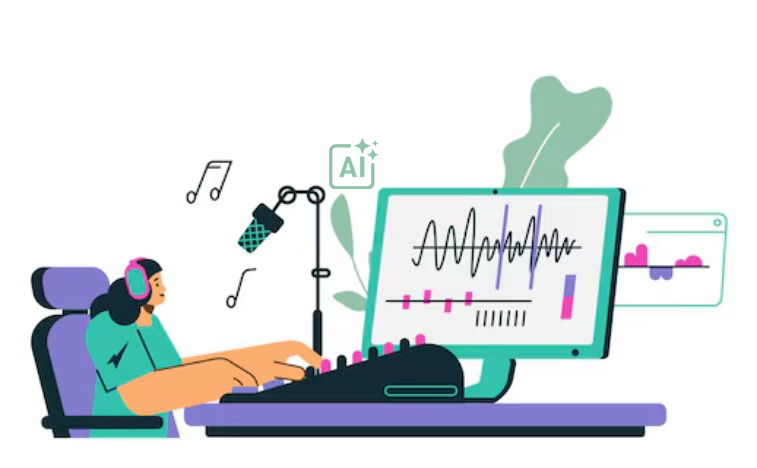
This mismatch is why creators are increasingly moving toward DIY cues powered by AI tools. With modern AI‑assisted workflows inside a DAW (Digital Audio Workstation), you can generate raw musical material quickly, then shape it like a producer. Instead of shopping for a finished cue, you are creating one that is built for your content from the very first bar.
Why Stock Libraries No Longer Fit Modern Creators
1. Identity Mismatch
Stock tracks are designed to be broadly acceptable, not specifically tailored to your brand. This often results in music that feels generic, lacking the unique identity creators need to stand out.
2. Hidden Time Costs
While stock libraries are marketed as “time savers,” the reality is different. Searching, auditioning dozens of tracks, checking licensing terms, downloading alternates, and adjusting edits all consume valuable time. By the time you realize the hook arrives too late or the energy curve is wrong, the “fast” option has become slow.
3. Limited Flexibility
Even when a track fits, it rarely adapts perfectly to your content. You may need the energy to drop during dialogue, or the climax to hit at a specific frame. Stock tracks are fixed; DIY cues are flexible.
The DIY AI Advantage
Faster Than Searching
DIY AI instrumentals flip the workflow. Instead of browsing catalogs, you start with your own needs: tempo, key, intensity, and instrumentation. Within minutes, you can generate multiple variations and keep only the parts that work.
Royalty‑Free Simplicity
By generating original cues, creators reduce licensing friction. You still need to respect the terms of the tools you use, but everyday concerns about usage rights across platforms are minimized. No more tracking license files or worrying about whether a track can be used in a specific context.
Beyond Loops: Real Composition
Until recently, DIY meant either writing everything from scratch or relying on loop packs. Loops are useful but often box you into predictable structures. AI instruments now provide building blocks — chord progressions, melodies, rhythm variations — that behave like editable parts inside a DAW. This enables true composition rather than repetitive loop‑based structures.
Stem Splitting for Reuse
Modern stem splitter lets you extract usable components (drums, bass, melodies, textures) from demos or reference tracks. These elements become raw material for new compositions, speeding up production without copying.
Building Your Own Micro‑Catalog
The practical replacement for stock libraries is a personal micro‑catalog:
- DAW Templates: Create templates for different moods — upbeat, cinematic, lo‑fi, minimal — with signature instruments and arrangement skeletons.
- Reusable Elements: Collect stingers, risers, transitions, and chord progressions that fit your style.
- Optimized Mixes: Build mixes that translate well across playback environments (phones, laptops, studio monitors).
- Consistency Across Projects: Ensure your content has a recognizable sonic identity, rather than sounding like generic library tracks.
Over time, this system makes you faster than any stock search. You own the workflow, the sound, and the identity.
The Bigger Picture: Evolution of Music Creation
Think of DIY AI instrumentals as part of a larger evolution:
- Sampler workflows gave producers access to new textures.
- Soft synths democratized sound design.
- MIDI packs accelerated composition.
- AI instruments now provide editable building blocks that integrate seamlessly into DAWs.
This evolution empowers creators to move beyond “tracks” and start thinking in “deliverables” — short intros, stingers, loopable beds, high‑energy sections — all tailored to specific content needs.
Final Thoughts on the Future of DIY AI Music
The shift is simple but powerful: stop paying for access to other people’s catalogs and invest in workflows that let you create your own instrumentals on demand. For creators already working in DAWs, DIY AI instrumentals are not futuristic — they are the most practical upgrade available today.