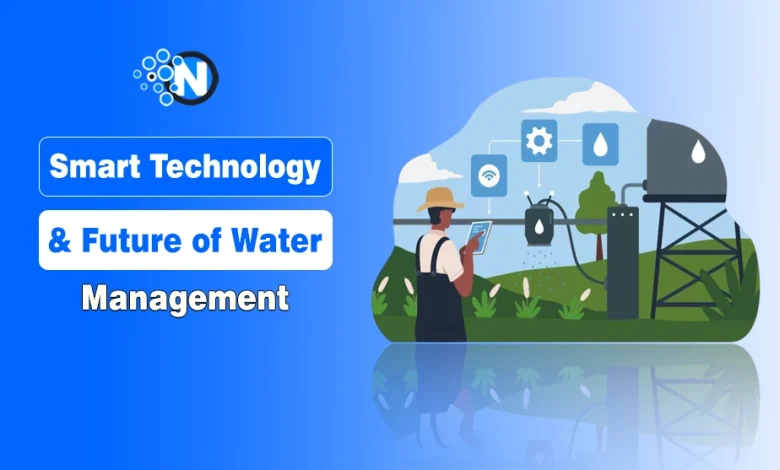
Smart technology is transforming global water management, making it more efficient, predictive, and sustainable to solve the growing water crisis. As the world’s population rises and extreme weather worsens, outdated water systems can’t keep up.
However, smart technology upgrades aging infrastructure, saves water, detects problems early, and ensures every drop is used wisely.
Now I will discuss how IoT sensors, AI, big data, and cloud platforms are revolutionizing water management. These technologies drive real-time leak detection, quality monitoring, and sustainable water use across cities, farms, and industries.
The Water Crisis: Why We Need Smart Solutions Now
Water scarcity affects 2.4 billion people today, and it’s getting worse with climate change, population growth, and pollution. Traditional systems lose 30–50% of water through leaks alone, and manual monitoring can’t keep up.
Smart technology changes that. It uses sensors to track flow, pressure, and quality in real time. AI predicts issues before they happen. As mentioned in the Smartwatermagazine, these systems cut losses by 30% in some cities.
I remember visiting a farm where smart irrigation saved a significant amount of water. Modern water technology is not just saving resources; it’s saving livelihoods.
Role of Smart Technology in Sustainable Water Management
Cleaner Water Through Smarter Treatment
While finding leaks is crucial, ensuring the water is safe is equally important. This is where IoT is redefining our approach to quality.
Water treatment has traditionally followed fixed routines designed to handle worst-case scenarios. While effective, this “blunt instrument” approach often leads to over-treatment and unnecessary chemical use. Smarter treatment systems change the game by relying on real-time indicators—such as changes in clarity and particle levels, often monitored as turbidity in drinking water—to adjust processes as conditions shift.
Why treat every drop the same when conditions are constantly changing? Smarter treatment respects both the water itself and the systems that rely on it.
- Precision: Processes are adjusted instantly based on real-time data, maintaining safety standards without chemical waste.
- Early Detection: Anomalies are identified quickly, allowing corrective action before issues spread through the system.
- Public Confidence: Reducing health risks builds trust in the water supply.
- Compliance: Continuous monitoring by pH and chlorine sensors ensures adherence to environmental regulations.
IoT Sensors: The Eyes and Ears of Water Networks
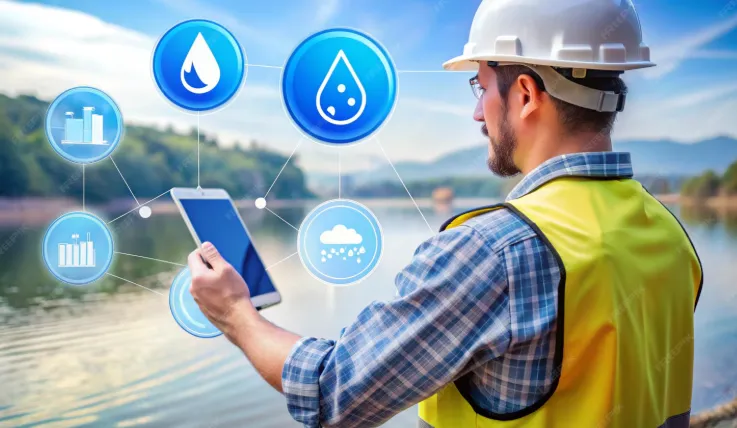
IoT sensors report real-time flow and pressure, and create a smart set of pipes. This allows sustainability and efficiency management. It also helps in detecting and stopping floods in urban areas and maximizing irrigation in the agricultural sector.
Real-Time Leak Detection and Prevention
Acoustic and pressure sensors detect micro-leaks before they develop into disastrous pipe bursts. These tools identify accurate areas of energy loss and water waste by tracking vibration patterns and flow changes. This electronic monitoring saves invaluable resources and damage to infrastructure.
- Acoustic loggers detect underground pipe fractures.
- Pressure transients identify potential weak points.
- Automated alerts reduce response times.
- Reduces water loss in aging systems.
- Lowers operational costs for municipal utilities.
Water Quality Monitoring and Safety
IoT probes assist in water quality management by monitoring chemical levels, pH levels, and transparency along the distribution system. This helps to establish the fact of contaminants or secondary infection immediately.
- Chlorine sensors maintain disinfection standards.
- Turbidity meters detect sediment or silt.
- pH monitors ensure chemical balance.
- Rapid detection of harmful pathogens.
- Ensures compliance with environmental regulations.
AI and Machine Learning: Predicting the Unpredictable
Machine Learning and AI are the cognitive engines behind water infrastructure, and they translate raw sensor data into actionable intelligence. These smart technologies prevent demand bursts, equipment breakdowns, and possible contaminations by detecting complicated trends that are not discernible by humans.
Predictive Maintenance and Asset Management
Machine learning algorithms take the past performance data and use it to detect precisely when pumps or pipes will fail. Condition-based maintenance prevents service interruptions and extends the lifespan of expensive infrastructure assets.
AI reduces emergency expenditures through the detection of structural vulnerabilities. And this gets done by deep learning analysis of vibrations based on acoustic frequencies.
- Reduces unplanned downtime for critical pumps.
- Optimizes maintenance schedules to save labor.
- Extends the operational life of assets.
- Prioritizes repairs based on failure probability.
- Lowers capital expenditure through data-driven planning.
Dynamic Demand and Flow Forecasting
The models are AI-based, and they utilize weather forecasts, consumer dynamics, and seasonal variations. This helps in predicting the water demand with high accuracy. It enables utilities to streamline their pumping schedules and control their pressure in real-time.
- Accurately anticipates peak morning/evening usage.
- Adjusts pumping power based on weather.
- Prevents system over-pressurization and stress.
- Enhances resilience during extreme climate events.
- Integrates smart meter data for precise modeling.
Cloud Platforms: The Brain of Smart Water Systems
The smart water infrastructure uses cloud platforms as the central nervous system. It gathers dense data sets collected by distributed sensors and AI models. The cloud can help utilities to de-escalate their information silos and bring an overall data picture of their operations.
This provides a place to store and perform their processing that is scalable. Cloud-based services offer the processing power to handle the urbanized water cycles in real-time. And it also makes sure that all elements of the network are coordinated to achieve optimal effectiveness and protection.
Centralized Data Integration and Accessibility
Cloud environments will bring meters, pumps, and weather station data together into one user-friendly dashboard. Such centralization enables engineers and decision-makers to cooperate with each other over distance.
- Aggregates data from hardware manufacturers.
- Enables remote monitoring for field technicians.
- Facilitates cross-departmental data sharing and collaboration.
- Streamlines regulatory reporting through automated logging.
- Supports large-scale storage for historical trend analysis.
Scalable Cybersecurity and System Resilience
The current cloud-based systems replace the water networks with advanced security protocols. With the growing infrastructure, the cloud scales automatically to offer redundant backup and disaster recovery services.
- Provides enterprise-grade encryption for sensitive data.
- Automates software patches to mitigate vulnerabilities.
- Ensures 24/7 system uptime through server redundancy.
- Scales storage capacity instantly as networks grow.
- Enables rapid recovery following extreme weather events.
The Road Ahead: What’s Next for Smart Water?
Smart water systems are no longer about reactive monitoring to self-healing networks. In modern days, 5G and edge computing will provide instant responses. Other than that, coordinated digital platforms will handle reclaimed water to stay climate resilient.
This integration guarantees efficient, clear, and sustainable water management and combines the human experience with high-level automation.
Digital Twins and Holistic Simulation
Digital twins represent dynamic virtual representations of full city water systems, where engineers can test stress tests in a risk-benefit scenario. These models combine sensor data in real-time and predict the effect of urban growth or climate incidence.
- Simulates hydraulic responses to extreme weather events.
- Optimizes chemical dosing for water treatment plants.
- Reduces operational risks through “what-if” scenario testing.
Blockchain and Secure Water Governance
Blockchain securely shares and verifies water data across municipalities, transforming boundaries and enhancing collaboration. Decentralized registers will allow a water quality and consumption record that cannot be tampered with and encourage public trust.
Smart contracts make compliance and billing automated, so that the water rights and conservation targets are realized with transparency.
- Creates immutable records of water quality testing.
- Automates water trading and rights management protocols.
- Secures sensitive infrastructure data against cyber interference.
Embracing Smart Technology for a Sustainable Water Future
Smart technologies like IoT sensors, AI, and cloud platforms are transforming water management. These solutions enable efficient leak detection, predictive maintenance, and real-time data analysis to address water scarcity and improve resource management.
By adopting these tools, communities can reduce waste, save costs, and build resilient infrastructure. Embracing smart water management is essential for sustainability and climate resilience. Investing in innovative, intelligent water systems is a practical step for a secure and sustainable future.