Beginner’s Guide: How to Make Animated Youtube Videos For Free

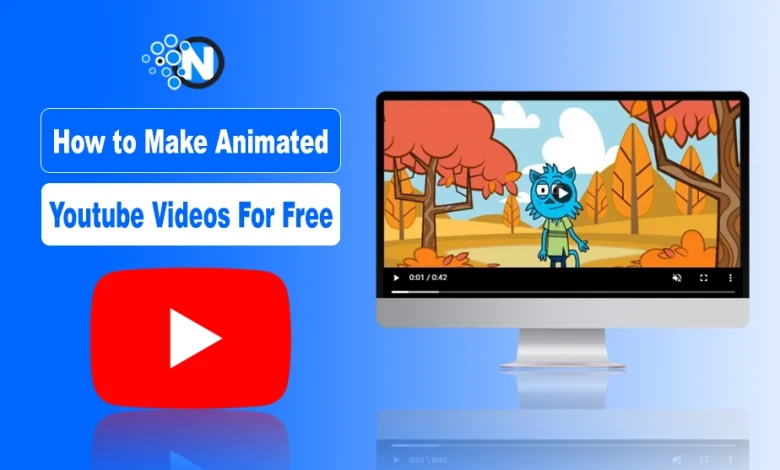
Ever wondered how YouTubers produce smooth, engaging animated videos that explain ideas so simply?
The truth is, you don’t need expensive software or advanced skills anymore. Free and user-friendly online tools now let beginners turn simple ideas into animated content in minutes.
If your goal is to create animated YouTube videos and grow your YouTube channel fast, you constantly have to make your content perform better by being up to date with trends and enhancing your animation skills.
So here, I will keep things simple. You’ll learn how to make animated YouTube videos, explore beginner-friendly tools, and follow a simple process to start creating your own animations without any confusion.
How Many Types of YouTube Animation Videos are there?
Before you start creating content on YouTube, you must understand the main types of animation styles you’ll usually see. Each one works differently depending on your idea and audience.
1. Traditional Animation
This is the classic frame-by-frame style where every movement is drawn manually. It looks highly detailed but takes more time and effort.
2. 2D Animation
A simple flat-style animation commonly used for explainer videos, storytelling, and educational content. It’s the most beginner-friendly option.
3. 3D Animation
A more advanced style that adds depth and realism. It’s often used in movies, product demos, and high-end visuals.
4. Motion Graphics
This style focuses on animated text, shapes, and graphics. It’s widely used for business, marketing trends, and data-driven videos.
5. Stop Motion
Created by moving real objects frame by frame to create animation. It’s creative but time-consuming.
Best Free Tools to Make Animated YouTube Videos
To create animated YouTube videos, you don’t need expensive software or editing experience. These tools are designed for beginners and let you build animations using templates, drag-and-drop elements, and ready-made assets.
Doratoon
Doratoon is a simple online animation tool built for beginners who want to create engaging videos without learning complex editing.
It works well for explainer videos, educational content, and marketing-style animations. You can quickly turn ideas into videos using built-in characters, scenes, and voice tools.
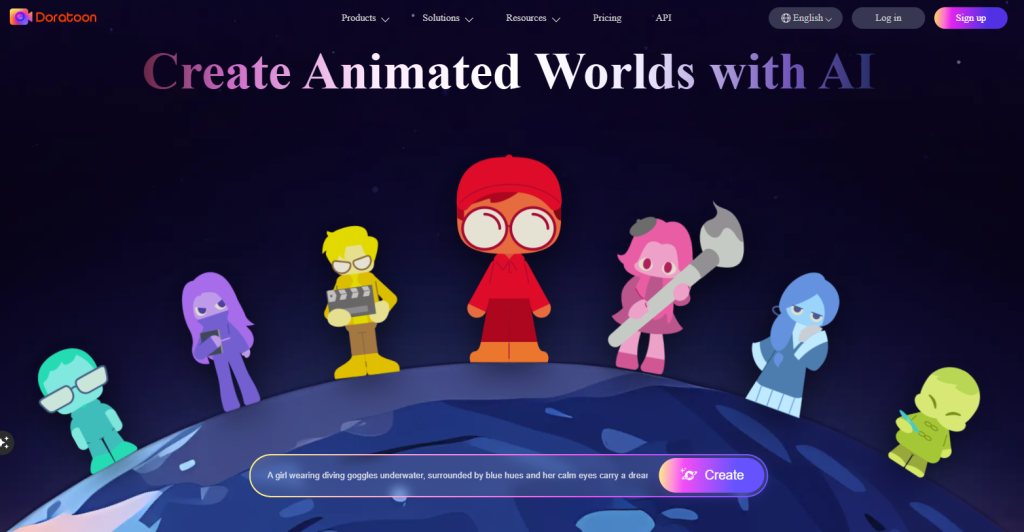
Key Features:
- Drag-and-drop editor that makes video creation easy
- Pre-designed animated characters and scenes for quick setup
- AI voice generation and dubbing to convert text into narration
- Option to turn PowerPoint slides into animated videos
- Built-in music and sound effects for better engagement
Powtoon
Powtoon is one of the most popular tools for creating animated presentations and explainer videos quickly.
It is widely used by marketers, educators, and creators because it simplifies storytelling on the YouTube platform through visuals and motion.
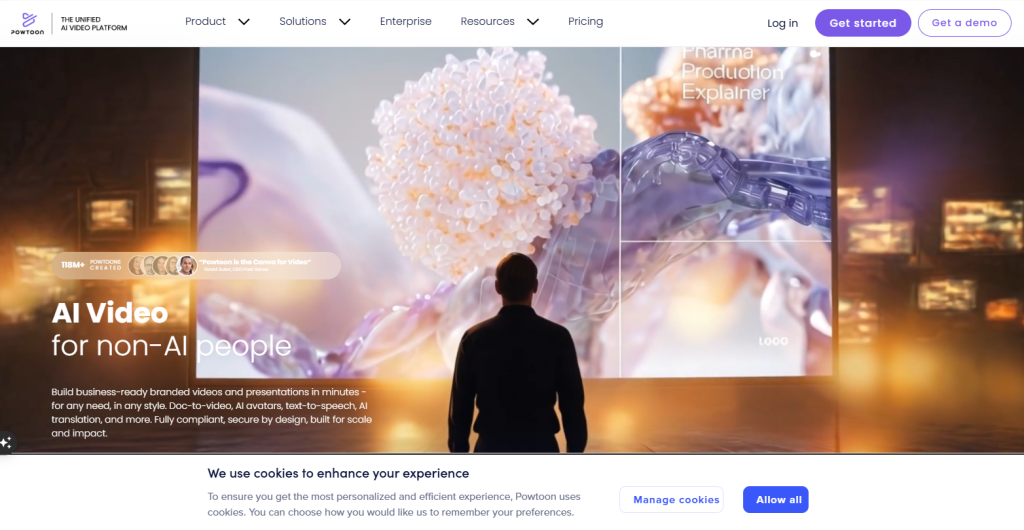
Key Features:
- Pre-built templates for fast video creation
- Animated characters, objects, and transitions
- Voiceover and background music support
- Easy sharing and export options
- Beginner-friendly interface with minimal learning curve
FlexClip
FlexClip is an online video editor that allows you to create simple animated-style videos using effects, transitions, and text animations.
It’s a good option if you want more control over editing while still keeping things beginner-friendly.
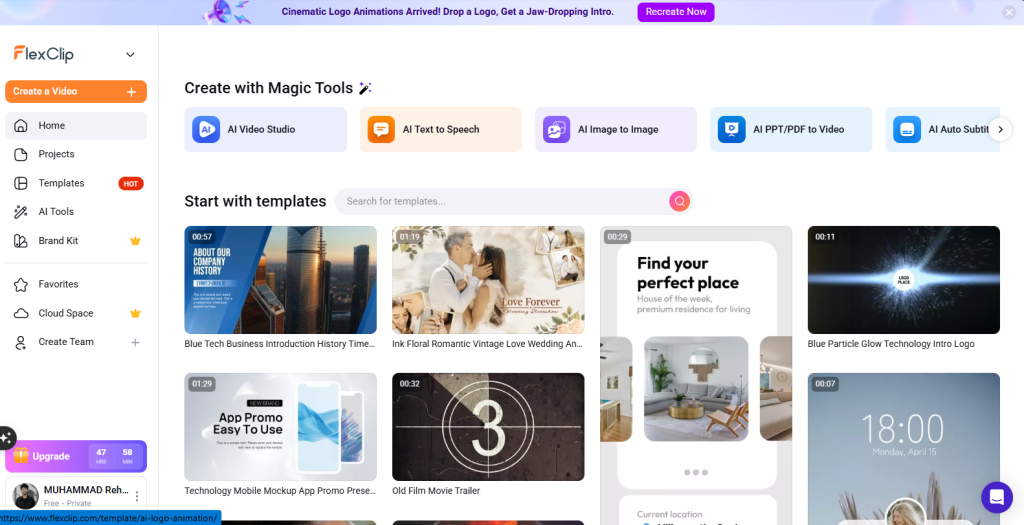
Key Features:
- Video filters and effects for styling visual content
- Text animation tools for engaging captions
- Color grading options for visual improvement
- Simple timeline-based editing system
- Access to stock media for quick content creation
How to Make Animated YouTube Videos for Free
Creating animated videos for YouTube is much easier today than it used to be. You don’t need professional animation skills or expensive software. With a simple idea and the right free tool, you can create a complete animated video from scratch.
Here’s a clear, beginner-friendly process you can follow.
Step 1: Decide on Your Video Idea
Everything starts with a clear idea. Before touching any tool, decide what your video will explain or show.
It can be anything like:
- An educational topic such as science, tech, and marketing
- A product or service explanation
- A storytelling or character-based animation
- A simple promotional video for your brand or channel
A focused idea helps you stay consistent while building scenes and avoids confusion later during editing.
Step 2: Choose a Free Animation Tool
Next, select a beginner-friendly animation tool such as Doratoon, Powtoon, or FlexClip.
Most of these tools already provide:
- Ready-made templates
- Pre-designed characters and scenes
- Drag-and-drop editing system
This means you don’t need to design everything manualy, you just customize what’s already available and post on YouTube.
Step 3: Build Your Video Scenes
Now start creating the actual structure of your video. Think of your video like a story divided into small parts (scenes). Each scene represents one idea or message and your YouTube channel’s niche.
In this step, you will:
- Add scenes one by one based on your script or idea
- Place characters, backgrounds, and objects in each scene
- Arrange elements in a logical order so the story flows smoothly
Most tools allow simple drag-and-drop editing, so you can visually build your video without technical skills.
Step 4: Add Voiceover and Music
Once your visuals are ready, the next important step is audio. You can:
- Record your own voice to explain the video
- Use built-in text-to-speech, AI voice tools or YouTube Audio Library
- Add background music to make the video more engaging
Make sure your voice is clear, and background music is not too loud, because audio quality directly affects how professional your video feels.
Step 5: Edit and Improve the Video
Now refine your video to make it more engaging and polished. You can improve it by:
- Adding smooth transitions between scenes
- Using text animations to highlight important points
- Adjusting colors, timing, and visuals for better flow
Keep it simple; overusing effects can make the video look distracting instead of professional.
Step 6: Export and Upload
Finally, export your video in HD format once everything looks good. Then upload it to YouTube and optimize it properly by:
- Writing a clear title
- Adding a keyword-rich description
- Designing an attractive thumbnail
This helps your video get better visibility and engagement.
Tips to Create Better Animated Videos
Creating animated videos for YouTube is not just about using the right tools; it’s also about how you present your content. Small improvements in planning, visuals, and audio can make a big difference in how professional your video looks.
Keep Your Videos Simple and Focused
Don’t try to include too many ideas in one video. A single clear message works much better than a complicated mix of topics such as tech, history, and many more. Short, focused videos are easier to understand and keep viewers engaged till the end.
Focus on Storytelling, Not Just Animation
Animation is only a way to present your message. What actually keeps people watching is the story. Even a simple animation can perform well if the idea is strong and flows naturally from start to finish.
Use Consistent Visual Style
Try to keep colors, characters, and graphic design elements consistent throughout the video. Changing styles too often can confuse viewers and make the video look unprofessional.
Improve Audio Quality
Clear voiceover is just as important as visuals. Even basic animations can feel high-quality if the narration is clean and easy to understand. Always balance background music so it doesn’t overpower the voice.
Watch Video Length Carefully
For beginners, shorter videos usually perform better. Keeping your content between 1 and 5 minutes helps maintain attention and increases the chances of viewers watching till the end.
Ready to Create Your First Animated Video
Creating animated videos for YouTube isn’t as complicated as it looks at first. From my perspective, the biggest mistake beginners make is waiting too long to “learn everything” before starting.
In reality, free tools are already powerful enough to help you begin right away. If you focus on simple ideas, clear storytelling, and consistent practice, you’ll improve naturally over time.
Personally, I believe starting small is better than over-planning, because progress comes from actually creating videos, not just thinking about them.