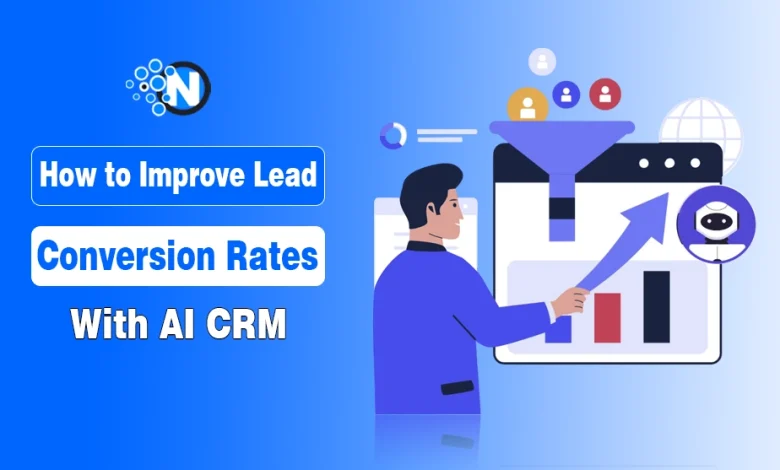
Converting leads into customers can feel like navigating a maze—you’ve got some prospects ready to buy, others just browsing, and most of them stuck somewhere in between. The challenge is knowing where to put your energy without wasting time or missing opportunities. That’s where AI‑powered CRMs come in handy.
They don’t just store data; they help you read the signals, personalize your outreach, and respond at the right moment. Think of it as having a smart teammate who keeps your pipeline organized and guides the next best move when you need it most.
In this blog post, you will learn why AI CRMs are a game-changer and how to use them to improve lead conversion rates.
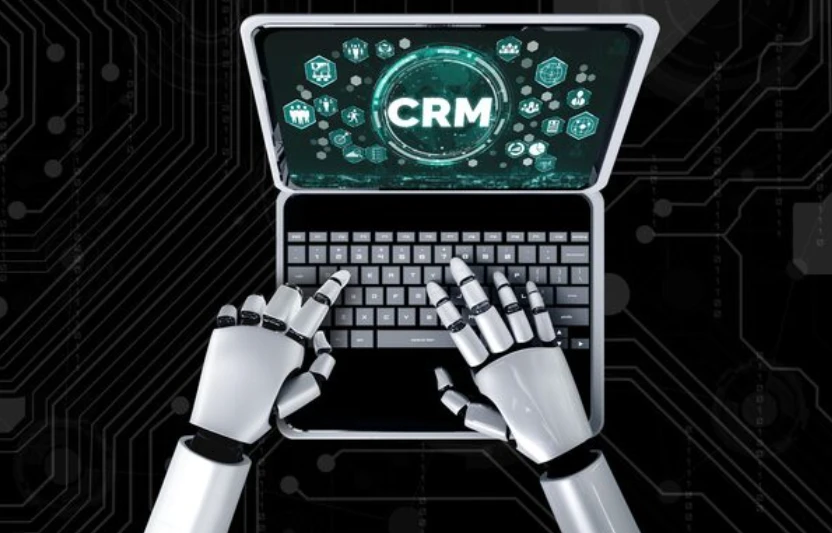
Why AI CRM Is a Game-Changer?
Think of a traditional CRM as a filing cabinet—it stores information but doesn’t do much else. An AI CRM, on the other hand, is like a smart assistant that not only organizes your leads but also nudges you when it’s time to act.
- No more guesswork: AI predicts which leads are most likely to convert.
- Personal touch at scale: It helps craft messages that feel human, not robotic.
- Always on time: Automated reminders and follow‑ups mean no lead gets forgotten.
How AI CRM Improves Lead Conversion?
Understanding Lead Behavior
Every lead follows a unique journey shaped by their needs, timing, and interests. Treating all leads the same often wastes effort and lowers conversion rates.
- AI CRM analyzes past interactions and current engagement.
- It reveals buyer intent signals that help teams segment leads by behavior.
- With these insights, sales and marketing can deliver timely, relevant messages.
Smarter Lead Qualification
Chasing unqualified leads slows down the sales cycle. AI CRM changes that by scoring leads based on data.
- Predictive models use demographics, browsing history, and engagement patterns.
- High‑value leads rise to the top, so reps focus where it matters.
- This targeted approach leads to more meaningful conversations and better outcomes.
Speed Matters
Response time can make or break a deal. Prospects who get quick replies are far more likely to convert.
- AI CRM automates alerts, emails, and task notifications.
- Sales teams know instantly when a prospect shows interest.
- Fast responses build trust and keep prospects engaged.
Personalizing Communication
Generic outreach no longer works. Today’s buyers expect tailored experiences.
- AI CRM personalizes offers, content, and timing using customer data.
- Messages feel relevant, boosting engagement and receptivity.
- Personalized communication strengthens relationships and accelerates conversions.
Aligning Marketing & Sales
When sales and marketing operate in silos, prospects get mixed messages. AI CRM bridges the gap.
- Both teams share campaign data, lead activity, and conversion insights.
- Alignment ensures consistent messaging across the customer journey.
- Collaboration drives smoother, more effective conversions.
Optimizing Sales Processes
Complex workflows stall deals. AI CRM identifies friction points and highlights what works best.
- It shows where leads drop off.
- Teams streamline approvals and eliminate unnecessary steps.
- A smoother process creates a clear path for prospects to move forward.
Data‑Driven Decisions
Guesswork is risky. AI CRM provides real‑time analytics so leaders can act with confidence.
- Track what’s working and what needs improvement.
- Adjust campaigns and reallocate resources based on evidence.
- Data‑driven strategies scale more effectively than instinct‑based ones.
Building Trust
Consistency builds credibility. AI CRM ensures every interaction feels connected.
- It keeps records of past conversations.
- Prospects feel understood and valued.
- Strong trust leads to higher conversions and long‑term relationships.
Supporting Long‑Term Growth
AI CRM isn’t just about quick wins—it’s about sustainable success.
- Consistent processes maximize every lead.
- Businesses grow steadily with systems designed for scalability.
- Long‑term trust and efficiency fuel ongoing success
Practical Tips to Get Started
1. Begin with AI‑driven lead scoring
Not all leads are created equal. AI CRM can analyze demographics, engagement history, and browsing behavior to assign scores that show who’s most likely to convert.
- High‑value leads rise to the top of your pipeline.
- Sales reps spend less time chasing cold prospects.
- Efforts are directed toward opportunities with the best payoff.
2. Automate repetitive tasks
Your team shouldn’t waste hours sending reminders or scheduling follow‑ups. AI CRM takes care of the busywork.
- Automated emails and task notifications keep leads warm.
- Sales reps can focus on conversations, not admin work.
- Prospects feel valued because they get timely responses.
3. Train your team to interpret AI insights
AI is powerful, but it’s not a replacement for human judgment. The best results come when reps know how to use AI data wisely.
- Teach your team how to read lead scores and predictive signals.
- Encourage them to combine AI insights with personal experience.
- Position AI as a partner, not a competitor.
4. Track conversion rates and ROI
You’ll want proof that AI CRM is making a difference.
- Compare conversion rates before and after implementation.
- Monitor how quickly leads move through the funnel.
- Use analytics to refine strategies and show measurable ROI.
By starting small—scoring leads, automating tasks, training your team, and tracking results—you’ll quickly see how AI CRM transforms your sales process.
Turning Leads into Lasting Customers
AI CRMs aren’t here to replace salespeople—they’re here to empower them. AI CRMs give sales and marketing teams the insights, automation, and personalization they need to build trust and close deals faster. By aligning processes, acting on real‑time data, and keeping communication authentic, businesses can turn more prospects into loyal customers.
And the best part? These systems don’t just boost short‑term wins—they lay the foundation for long‑term growth. If you’re ready to stop guessing and start converting, AI CRM might just be the game‑changer your business needs.