Fortnite Back on Google Play After Google Epic Settlement Reshapes Policies
Landmark agreement reshapes Google Play Store policies, billing rules, and Android app distribution.

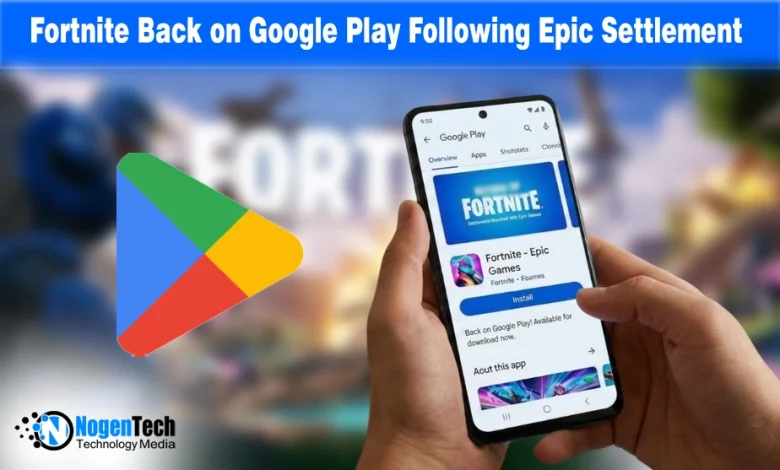
The Google and Epic Games settlement marks a pivotal moment for the Android mobile ecosystem. As reported by Bloomberg, the agreement between Google and Epic Games resolves a key stage of the long-running antitrust dispute known as Epic Games v. Google.
Beyond the gaming world, the settlement introduces sweeping Google Play Store policy changes, adjustments to billing changes, and revised Android app distribution rules, as per Google’s official announcement.
The reforms could significantly reshape developer monetization strategies, increase app store competition, and reopen distribution pathways, allowing games like Fortnite to return to the Google Play Store under a more open platform framework.
What Changed in the Google–Epic Case?
The Google antitrust settlement resolves major disputes stemming from Epic’s challenge to Google’s control over Android app distribution and payments.
Epic argued that Google’s app store policies limited developer choice, particularly through mandatory billing systems and commission structures. The settlement introduces several Google Play Store policy changes, including adjustments to billing rules and greater flexibility in distribution channels.
These reforms directly affect how apps operate on Android devices. Developers will gain expanded options for developer payment systems and the ability to distribute apps through alternative app stores or other channels.
As part of the changes, Epic officially confirmed the Fortnite return to Google Play, signaling that the new rules create a more workable distribution environment.
Why the Google–Epic Deal Is a Turning Point
The timing of the Google Epic Games settlement reflects a broader wave of global regulatory pressure targeting dominant digital platforms.
Governments worldwide have increased scrutiny of app store practices and app store commissions. The European Union’s Digital Markets Act and similar policy initiatives aim to expand platform openness and competition in digital ecosystems.
Industry analysis from firms such as Gartner notes that regulators increasingly expect platform operators to enable more transparent billing options and distribution flexibility in digital marketplaces.
The settlement also mirrors wider industry shifts. Companies like Microsoft and Apple have faced similar debates around app distribution policies and developer monetization.
Within this context, the reforms introduce new competitive dynamics in the mobile app ecosystem, particularly around payments, distribution models, and developer autonomy.
Who Stands to Gain from the Settlement
Several key groups across the Android ecosystem will feel immediate effects from reforms.
Developers
Developers are among the biggest beneficiaries. Updated Google Play billing changes may allow alternative payment methods and more flexible monetization structures.
Enterprises
Companies building enterprise Android applications gain expanded distribution options beyond the primary app store.
Consumers
Users may see greater app availability as alternative app stores expand and distribution barriers decline.
Investors
Investors tracking platform economics will closely watch how revised Play Store commission fees affect Google’s digital marketplace revenues.
Industry Sectors
Gaming, fintech, productivity apps, and subscription services could all benefit from greater flexibility in billing and app distribution.
The Broader Battle Over App Store Power
The settlement sits within a global debate over digital platform governance and digital marketplace regulation.
Research from Sensor Tower highlights that the mobile app economy now generates hundreds of billions in annual revenue, making distribution rules and payment policies critical infrastructure for developers.
At the same time, platform operators are redefining their strategies. For example, TechCrunch notes that executives like Sundar Pichai have emphasized the importance of maintaining platform security while balancing openness within the Android ecosystem.
Epic’s CEO Tim Sweeney has long argued that developers should have broader control over payment systems and app distribution. The Google Epic Games settlement reflects a shift toward that model, though with safeguards intended to preserve platform integrity.
Key Changes Introduced by the Google–Epic Settlement
The settlement introduces several platform reforms affecting payments, policies, and app distribution.
1. Policy Reform in the Google Play Store
The settlement introduces multiple Google Play Store policy changes, including greater transparency in platform rules and revised enforcement practices.
These adjustments aim to ensure fairer treatment for developers operating within the Android ecosystem.
2. Billing System Flexibility
The new billing changes provide developers with expanded options for payment processing.
This includes greater support for alternative developer payment systems, reducing reliance on the platform’s native billing infrastructure.
3. Revised Commission Structures
One of the most significant reforms involves Play Store commission fees.
Developers may now have more flexibility in monetization strategies, especially for subscription-based services and digital goods.
4. Expanded Distribution Channels
The settlement also strengthens support for Android alternative app stores and alternative distribution pathways.
This shift promotes greater Android app store competition, allowing developers to distribute apps through multiple marketplaces.
How the Settlement Changes the Android App Economy
The changes reshape platform economics, developer revenue models, and app marketplace competition.
Market Impact
The Google antitrust settlement could reshape competition within the mobile app economy.
By loosening restrictions around payments and distribution, the changes reduce platform lock-in and encourage new entrants in the Android app marketplace.
User Impact
- Short-term impact: Users may see previously unavailable and other popular games and apps returning to the Play Store. The Fortnite return to Google Play represents one visible example.
- Long-term impact: Over time, increased competition in the Android app store may lead to more diverse app offerings and potentially improved pricing models.
Developer & Enterprise Implications
Developers must reassess monetization strategies under the updated Android app distribution rules.
Enterprises operating large-scale mobile applications will also need to evaluate how alternative billing systems and distribution platforms affect security, compliance, and user experience.
How Analysts View the Google–Epic Settlement
Technology publications, including TechCrunch and The Verge, highlight that the Google–Epic Games settlement lowers Play Store fees and allows third-party app stores. It also enables alternative billing, reflecting rising pressure on platform operators to adjust restrictive policies.
Reuters analysis observed that the fee reductions and alternative billing options “may create new revenue strategies for developers, particularly smaller studios previously constrained by the Play Store fee structure.
Analysts at McKinsey & Company have previously noted that digital platform operators increasingly face a trade-off between ecosystem control and regulatory compliance.
The settlement suggests that major platforms may adopt more flexible governance models to avoid prolonged antitrust conflicts.
Common Misconceptions
Common wrong user perceptions regarding this matter includes:
“The Settlement Is Only About Fortnite or Gaming”
It’s not only about Fortnite, but it’s a consequence of broader Google Play Store policy changes that affect the entire Android developer ecosystem.
“Android Was Completely Closed to Alternative Distribution”
Historically, Android has allowed users to install apps outside the Google Play Store through sideloading or third-party marketplaces.
“The Settlement Is Only About Fortnite or Gaming”
The settlement expands alternative app stores, distribution rules, and developer payment flexibility. Not just gaming apps.
Future Outlook
The Google Epic Games settlement could influence future regulatory and platform policy developments worldwide.
As highlighted by Bloomberg Law, other technology companies may review their own app store rules as governments continue evaluating competition within digital marketplaces.
As Android evolves, the settlement may accelerate experimentation with new billing models, alternative marketplaces, and hybrid distribution strategies across the mobile app ecosystem.
When Not to Rely on Social Media
Technology disputes like Epic Games v. Google often generate widespread discussion on social media platforms.
However, social media commentary frequently lacks the full legal and regulatory context required to understand complex platform governance issues.
Responsible technology journalism relies on verified reporting and documented company policies rather than speculation or viral claims.
What’s Your Take?
Do these reforms create a more competitive Android marketplace, or will platform control remain largely unchanged?
The evolving relationship between developers and platform operators will likely shape the future of the mobile app ecosystem.
How This News Was Verified
- Official statements and announcements from Google Developers Blog and Epic Games
- Reporting from recognized technology publications, including The Verge, Reuters, and TechCrunch
- Cross-referenced research from established firms, including ScienceDirect and McKinsey & Company
- Reviewed the filings in the Northern District of California related to the legal dispute Epic Games v. Google
- Reviewed CISA guidelines for responsible tech journalism