For a long time, QR codes lived in the background of technology. They were familiar, easy to recognise, and mostly ignored unless you really needed them. Scan a code, open a link, move on. That was the entire experience.
But that version of QR technology is quietly disappearing.
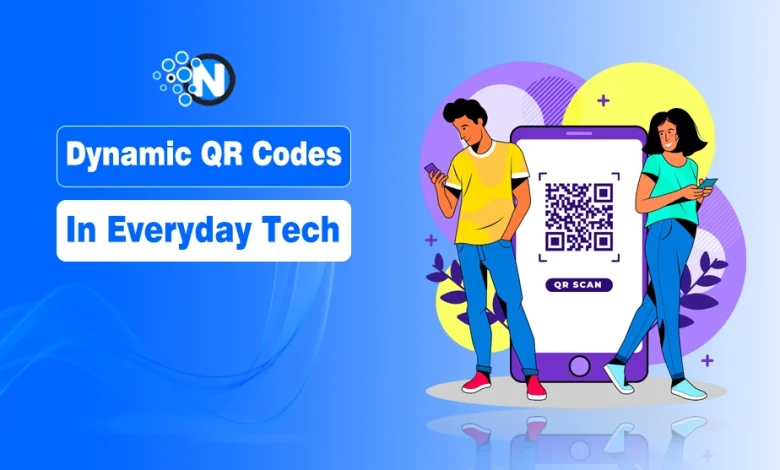
Today, QR codes are evolving into something far more flexible and useful. Thanks to modern tools like a Dynamic QR Code Generator, QR codes are no longer fixed shortcuts. They’ve become smart, updateable entry points that connect physical objects, printed materials and real-world interactions directly to live digital content.
And that shift is why QR codes are showing up everywhere again, from consumer tech and SaaS products to events, devices and everyday workflows.
This blog post sheds light on why dynamic QR codes are becoming a must-have tool in everyday life.
What Changed? Static vs Dynamic QR Codes
The key difference is simple but powerful.
A static QR code always points to the same destination. If the link changes, breaks, or becomes outdated, the QR code becomes useless.
A dynamic QR code separates the code from its destination. The code itself stays the same, while the content behind it can be updated at any time.
That means:
- links can change without reprinting anything
- information stays current
- use cases can evolve over time
- the same QR code can support multiple phases of a product or campaign
For modern tech users, that flexibility makes all the difference.
Why QR Codes Fit Perfectly Into Modern Tech
One reason QR codes are becoming popular again is that they align well with how people already use technology.
They are:
- device-agnostic
- app-free
- instant
- familiar to almost everyone
There’s no learning curve. No downloads. No accounts to create.
You point your camera, and you’re there.
In a world where users are overwhelmed with apps, notifications and interfaces, that simplicity is a major advantage.
Real-World Tech Use Cases Where Dynamic QR Codes Shine
1. Consumer electronics and smart devices
Many devices now include QR codes for:
- setup instructions
- pairing guides
- firmware updates
- troubleshooting
- product registration
Instead of searching for the right manual online, users scan once and get the latest information instantly.
2. SaaS products and onboarding
Software companies use dynamic QR codes to guide users to:
- onboarding flows
- feature walkthroughs
- documentation
- release notes
- support resources
A QR code on a slide deck, email footer or printed guide can always lead to the most up-to-date version.
3. Events, conferences and meetups
QR codes are now standard at tech events for:
- agendas
- speaker bios
- presentation downloads
- feedback forms
- networking links
- photo sharing
Because event details change constantly, dynamic QR codes prevent confusion and outdated information.
4. Everyday workflows and shared spaces
In offices, classrooms and maker spaces, QR codes are used to:
- link equipment to instructions
- share SOPs
- provide safety guidelines
- connect to shared documents
The physical environment becomes interactive without adding screens or extra hardware.
5. Personal use and digital identity
Individuals use QR codes on business cards, resumes and portfolios to link to:
- personal websites
- GitHub profiles
- LinkedIn pages
- link collections
- booking calendars
A single code replaces multiple URLs and stays relevant as those links change.
The Often-Overlooked Benefit: Update Without Friction
One of the biggest advantages of dynamic QR codes is how quietly they solve problems.
Instead of:
- reprinting materials
- sending updated links
- correcting outdated instructions
- explaining which version is current
You simply update the destination once.
Everyone who scans the code from that moment on sees the correct information.
No extra steps. No confusion.
This makes QR codes especially appealing for fast-moving tech environments.
Design Matters More Than It Used To
Another reason QR codes are being embraced again is visual flexibility.
Modern QR tools allow:
- brand colours
- rounded shapes
- custom patterns
- logo placement
- clean frames and labels
QR codes no longer have to clash with good design. They can blend seamlessly into interfaces, packaging and layouts.
Platforms like Trueqrcode make it possible to manage these designs, update destinations and track engagement from one central place, without adding technical complexity.
QR Codes as Lightweight Interfaces
As technology moves toward smaller, faster interactions, QR codes are becoming a kind of “micro-interface.”
They don’t replace apps, websites or platforms.
They connect people to them instantly.
In many cases, that’s exactly what users want:
- less friction
- fewer steps
- faster access
- no commitment
And because QR codes are already widely accepted, they feel natural rather than disruptive.
Final Thoughts
QR codes didn’t suddenly become interesting again. They simply evolved in a way that matches how modern tech is used.
Dynamic QR codes turn a simple visual marker into a flexible, updateable gateway one that works across devices, contexts and use cases without demanding attention or effort from the user.
In a tech landscape full of complexity, that kind of simplicity is powerful. Sometimes, the smartest tools are the ones that stay out of the way and just work, every time you scan them.