If you’ve ever dreamed of turning your travel photos into a real business, this is the best time to do that. I have seen people go from posting Instagram stories to start selling tours online just by narrowing their focus. The interesting part is that you don’t need a massive bank account or a tech degree; you just need to know how to sell experiences the right way.
The Travel & Tourism market revenue is estimated to reach US$1.07tn and is projected to grow annually at a rate of 6.83%, resulting in a market volume of US$1.39tn by 2030. Whether it’s a weekend yoga retreat or a secret food tour, the tools to launch are now cheaper than a flight ticket.
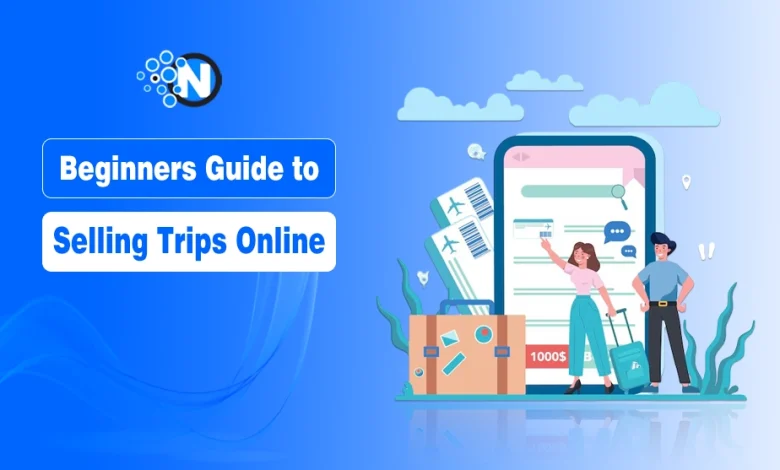
Now I will share with you how selling trips online is easier than ever and how you can start selling trips online yourself.
Why Selling Trips Online Is Easier and More Profitable
Selling trips online is simple and profitable because automated global systems replace manual, location-based work. You can operate 24/7 without a physical office or extra staff, cutting costs like rent and utilities.
Software handles everything from creating itineraries to processing payments, reducing errors and admin work.
Digital platforms provide detailed analytics and targeted marketing, making it easy to reach valuable customers globally and grow your business quickly. This allows you to focus on high-margin products and easy upselling.
How to Start Selling Trips Online: Step-by-Step Guide
Step 1: Pick a Profitable Niche and Validate Demand
You must choose a specific niche instead of trying to appeal to everyone. Let me give you an example, such as offering “low-impact vineyard hikes in Tuscany” rather than generic “Italy tours.” Or publishing a detailed resource like ‘Bali diving prices explained’ to capture divers actively researching costs before booking trips to Bali.
Use social listening and keyword research early to confirm people will actually pay for your idea before you invest time and money.
- Audit Trends: Use Google Trends and TikTok search to identify rising interest in specific sub-niches.
- Analyze Competitors: Scour GetYourGuide and Viator to identify pricing gaps and common customer complaints you can solve.
- Social Polling: Use Instagram Stories or niche Facebook groups to ask direct questions about price sensitivity and desired inclusions.
- Low-Cost Testing: Run a few bucks lead-generating ad on Meta to see if users will actually click a “Notify Me” button for your trip idea.
Step 2: Build Your Minimum Viable Tour Product
Your first trip should be simple and easy to run, not complicated. Start with a Minimum Viable Product (MVP) to lower financial risk and collect important feedback to improve your pricing and itinerary. Offer one standout experience that guests will remember and want to share.
- Simplify Logistics: Start with half-day or single-day outings to keep overhead low and operations manageable.
- Define Inclusions: Explicitly list what is included, such as equipment, water, and entry fees, to prevent “hidden cost” complaints later.
- Cap Group Sizes: Limit early tours to a few people to ensure high-quality interactions and easier control over the experience.
- Visual Documentation: Capture real-time “lifestyle” photos and videos using a modern smartphone to build an authentic portfolio.
Step 3: Set Up Your Online Booking System
Today’s travelers expect an easy, seamless online booking process, like Amazon or Uber. Using manual bank transfers or email bookings causes most customers to drop off before completing their purchase.
Use a professional booking engine to automate your calendar, process secure payments, and send instant confirmations so you can focus on delivering a great experience.
- Select Software: Choose Rezdy for complex tours or Acuity Scheduling for simple 1:1 experiences.
- Marketplace Integration: List on Airbnb Experiences to leverage their existing trust and massive global traffic.
- Payment Security: Use Stripe or PayPal to provide guests with familiar, encrypted payment options.
- Automation: Set up “Drip” emails that automatically send packing lists 48 hours before the trip and review requests 24 hours after.
Step 4: Create a Professional Website
Your tour or travel website is your first impression. It should quickly show visitors that you are credible and trustworthy. Make sure your site clearly explains who you are and why people should trust you, right away. Use a simple, mobile-friendly design with high-quality images and easy access to your booking page.
- Visual Storytelling: Use a “Hero” image on the homepage that shows people enjoying the trip, not just empty landscapes.
- EEAT Signals: Build a solid “About” page detailing your certifications, local heritage, or specific expertise in the niche.
- Mobile Optimization: Ensure the booking button is “thumb-friendly” and the site loads in under three seconds on 4G networks.
- FAQ Section: Proactively answer questions about physical difficulty, weather policies, and meeting locations to reduce support emails.
Step 5: Get Your First Customers Fast
Don’t rely on SEO solely for quick results because it is a long-term process and takes months. Go directly to where travelers already spend time. Use third-party marketplaces and local partnerships for instant social proof and to build trust.
Combine paid social ads with community engagement to quickly drive your first bookings and generate revenue.
- Marketplace Launch: Prioritize Viator and GetYourGuide for instant visibility, even if they take a commission.
- Beta Discounts: Offer a “Founder’s Rate” to friends or local influencers in exchange for honest video testimonials.
- Hyper-Local Ads: Target Meta ads specifically to tourists currently “visiting” your city rather than those living there.
- Strategic Partnerships: Leave brochures or digital codes with local boutique hotels or popular cafes that share your target audience.
Step 6: Deliver Amazing Experiences & Get Repeat Business
A profitable travel business depends on strong reviews and word-of-mouth referrals. What makes a tour memorable are the small, personal touches that help guests feel like insiders. Prioritize post-trip follow-ups and surprise extras to turn one-time customers into loyal fans.
- Personalized Touch: Send a “Welcome” text on the morning of the trip to confirm the meeting point and build rapport.
- Surprise & Delight: Provide a small local gift or a curated “best of” digital map that wasn’t mentioned in the booking description.
- Real-Time Feedback: Ask a simple “How is everything so far?” halfway through the trip to catch and fix issues immediately.
- The Follow-Up: Send a personalized thank-you email with a direct link to your Google Business Profile for a review.
Step 7: Scale to Consistent Revenue
After you’ve proven your product and collected positive reviews, shift from running everything yourself to building a business that can scale.
Adjust your pricing based on demand and add new ways to earn income, so the business doesn’t rely only on you. This is how you create a sustainable brand that grows without losing quality.
- Dynamic Pricing: Gradually increase your rates as your review count grows and you reach peak capacity.
- Outsource Operations: Create “Standard Operating Procedures” (SOPs) to train freelance guides to lead tours on your behalf.
- Digital Add-ons: Sell downloadable self-guided itineraries or “Local Secrets” e-books to customers who can’t afford the full tour.
- Email Marketing: Use a tool like Mailchimp to keep your past guests informed about new seasonal trips or “alumni” discounts.
Ready to Launch and Grow
Starting a travel business online is one of the most rewarding ways to monetize your expertise and passion for discovery.
While the logistics might seem daunting, the modern tools available today have removed the traditional barriers to entry. I suggest you stop waiting for “perfect” and start with what you know.
The bridge from “I have an idea” to “I just got my first booking” is shorter than you think. Focus on delivering genuine value to your first few guests, and the momentum will naturally follow.