

West Virginia Files Lawsuit Against Apple Over iCloud CSAM Allegations
West Virginia sues Apple, alleging iCloud encryption enabled the spread of child abuse material and weakened industry safety standards.

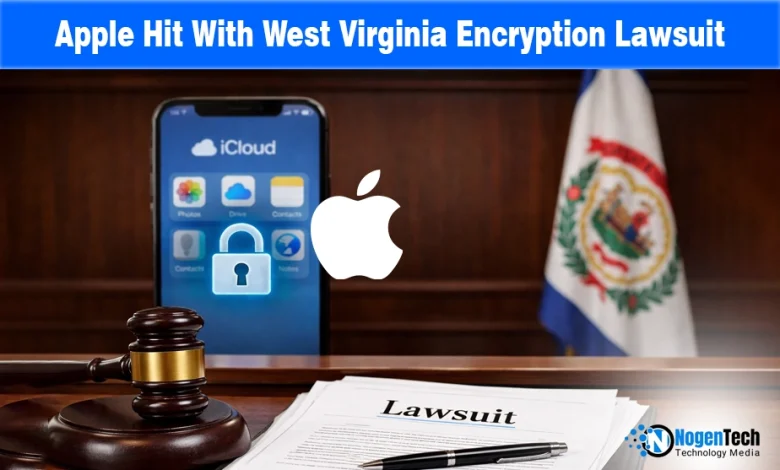
West Virginia’s attorney general has filed a lawsuit against Apple, alleging that the company’s iCloud service has become a platform for child abuse material.
The case marks a rare government action against Apple, raising questions about how technology, privacy, and child safety intersect amid rising national scrutiny of digital platforms.
West Virginia Targets Apple’s Privacy Priorities
Reuters reports that West Virginia’s lawsuit alleges that Apple’s iCloud service has become “the greatest platform” for the distribution of illicit material involving minors.
Attorney General JB McCuskey, a Republican, claims Apple prioritized user privacy over child safety by discarding image scanning features designed to detect abusive material. The lawsuit seeks damages and court orders to enforce safer product designs.
Apple defends its existing safety measures, including Communication Safety, blurring nudity for minors, and parental controls.
The company plans to expand a “Report to Apple” tool in the U.S., already available in Australia and the U.K. Experts note that end-to-end encryption, while protecting user privacy, complicates law enforcement access to illegal content.
Industry and Expert Context on Apple’s Approach
The Verge highlights that Apple’s decision to abandon its proposed NeuralHash detection system in favor of end-to-end encryption effectively transformed iCloud into a ‘secure, frictionless avenue’ for child abuse material.
The lawsuit cites internal messages from Apple executives and compares CSAM reporting: Apple made 267 reports in 2023 versus 1.47 million by Google and over 30 million by Meta. Legal experts and child safety advocates argue that Apple’s safeguards may make it easier to store and share such material.
Further reporting notes that other platforms use tools like PhotoDNA to detect and remove such content, while Apple’s approach relies primarily on device-level intervention.
Apple maintains its commitment to child safety, emphasizing continuous innovation to address evolving threats while preserving user privacy. McCuskey predicts other states may follow West Virginia’s lead in challenging Apple’s design choices.
Why This Lawsuit Matters
The lawsuit underscores a national debate between privacy, encryption, and child protection. Apple’s design decisions may set precedents for how technology companies balance user security with legal obligations.
Lawmakers and child advocacy groups argue that insufficient scanning and reporting can allow widespread harm, while privacy advocates stress that end-to-end encryption is essential for protecting personal data.
The outcome of this case could influence legislation, corporate policies, and platform safety measures, shaping how tech companies approach child protection in encrypted environments.
The Future of Digital Safeguards
West Virginia’s legal action against Apple highlights the intensifying friction between rapid innovation, user privacy, and public safety.
By contrasting Apple’s iCloud encryption and reporting record with industry-wide standards, the state is raising fundamental questions about corporate accountability and the ethical boundaries of the “privacy-first” business model.
Ultimately, the resolution of this case could redefine the very architecture of the modern internet, potentially establishing a new global precedent for how children are safeguarded in an increasingly encrypted world.


![Top Tech Stories of 6th week [2026]](https://www.nogentech.org/wp-content/uploads/2026/02/Top-Tech-Stories-of-7th-Week-2026-390x220.webp)