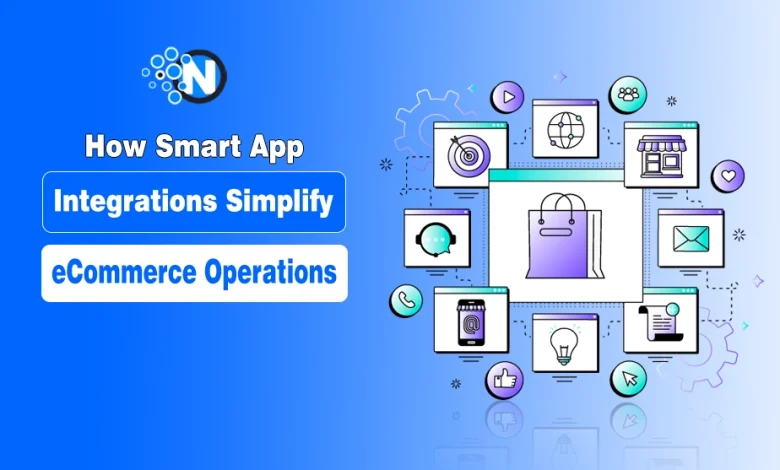
Smart app integrations are the backbone of modern eCommerce, turning a fragmented stack of tools into a coordinated system that automates the entire customer journey—from purchase to delivery and beyond.
Running an online store today is exciting, but it’s also a juggling act. You’re managing product listings, customer inquiries, payments, shipping, marketing campaigns, and accounting—all at once. Without the right systems in place, this can feel overwhelming. That’s where smart app integrations play their role. They connect your ecommerce tools so they “talk” to each other, eliminating silos and creating a seamless flow of information.
Think of integrations as the invisible wires behind the scenes, keeping your eCommerce business humming smoothly.
Why Smart Integrations Are Game-Changers
Automating the Order Lifecycle
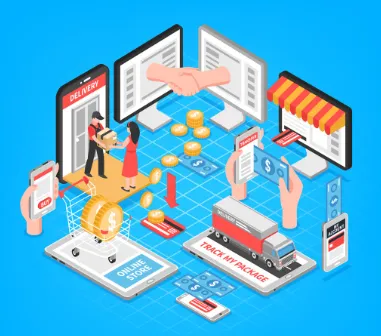
Manual order processing is quickly becoming a relic of the past. Modern eCommerce platforms now rely on advanced “agentic” integrations that manage the entire lifecycle of a purchase—from the moment a customer clicks “buy” to the final delivery notification.
These apps do more than just pass data; they make autonomous decisions. For instance, if a specific warehouse is hitting functional capacity, smart routing apps can automatically redirect orders to a secondary fulfillment center without human intervention. This level of synchronization ensures that even during peak holiday surges, the internal machinery of a business remains calm and predictable.
Streamlining Sustainable Sourcing
One of the most significant shifts in 2026 is the consumer demand for transparency and ethical sourcing. Managing a supply chain that meets these rigorous standards can be an administrative nightmare without the right tools. Innovative integrations now allow merchants to vet and connect with specialized partners instantaneously.
For businesses looking to align their catalog with modern values, utilizing eco friendly dropshipping suppliers via integrated marketplaces ensures that sustainability is baked into the business model rather than added as an afterthought. These apps provide real-time inventory syncing and automated product tagging, allowing store owners to highlight “green” credentials with total confidence in their data accuracy.
The Rise of Predictive Inventory Management
Inventory management has evolved from reactive restocking to predictive orchestration. Apps powered by machine learning now analyze regional demand patterns, social media trends, and historical sales data to forecast precisely what is needed and where.
As stated by BigCommerce, the integration of AI shopping agents and autonomous inventory bots is helping brands scale without the traditional proportional increase in headcount. These systems can trigger purchase orders to suppliers weeks before a stockout occurs, effectively eliminating the dreaded “out of stock” message that costs retailers billions in lost revenue annually.
Enhancing Post-Purchase Loyalty
Operational efficiency should not end once the package leaves the warehouse. Post-purchase integrations, such as automated RMA (Return Merchandise Authorization) portals and AI-driven tracking updates, are crucial for retention. By providing customers with a self-service way to manage returns or track their carbon footprint per shipment, brands reduce the load on their support teams.
In an era where “Zero-Click Commerce” is becoming a reality, the ability to offer a frictionless, transparent journey from cart to doorstep is what ultimately secures a brand’s place in the competitive digital marketplace.
Areas Where Integrations Simplify Ecommerce Operations
| Area | Without Integration | With Smart Integration | Benefits |
| Inventory Management | Manual updates, overselling risk | Real-time syncing across channels | Prevents stockouts & overselling |
| CRM | Fragmented customer data | Unified profiles | Enables personalized marketing & loyalty programs |
| Accounting | Manual reconciliation | Automated syncing of sales, taxes, and expenses | Saves hours & reduces errors |
| Marketing | Disconnected campaigns | Seamless email, social, and ad tracking | Boosts ROI with targeted campaigns |
| Order Fulfillment | Delays, miscommunication | Automated shipping labels & tracking | Faster delivery & happier customers |
Real-Life Scenario
Imagine you run a growing online fashion boutique. Without integrations, you’d:
- Manually update stock after every sale.
- Copy customer details into spreadsheets.
- Send shipping emails one by one.
- Spend weekends reconciling accounts.
With smart integrations:
- Inventory updates instantly across Shopify, Amazon, and Instagram Shop.
- Customers automatically receive order confirmations and tracking links.
- Your accounting software logs every transaction in real time.
- Marketing tools trigger personalized emails based on browsing behavior.
The difference? You spend less time firefighting and more time designing new collections or building brand partnerships.
What are the Long-Term Benefits of Smart App Integrations
Smart app integration in ecommerce operations provides benefits like:
- Scalability: Integrations grow with you. Whether you’re handling 100 or 10,000 orders, systems scale effortlessly.
- Cost savings: Automating tasks reduces the need for extra staff.
- Customer loyalty: Smooth operations build trust, encouraging repeat purchases.
- Competitive edge: While competitors struggle with manual processes, you’re free to innovate.
Future-Proof Your Store with Smart Integrations
Smart app integrations are the backbone of modern eCommerce. They turn manual chaos into predictable workflows, letting you scale operations while reducing errors and costs. Smart app integrations also reduce friction, save time, cut costs, and delight customers. For entrepreneurs and established brands alike, investing in the right integrations is no longer optional—it’s essential for growth.