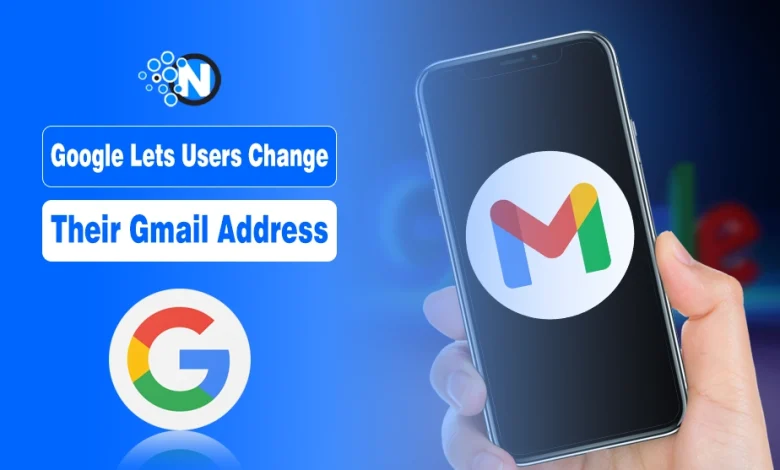
Google has expanded account management options by introducing a feature that lets users change the primary email address associated with their Google Account, including Gmail addresses, directly from account settings.
This update aims to give users more flexibility over their digital identity across Google services. Previously, Google users could add recovery emails or alternate contact addresses, but changing the main Google Account email (especially if it ended in @gmail.com) wasn’t straightforward or was unavailable for many accounts.
Now, eligible users can update their email to a different one @gmail.com address through their Google Account settings on desktop.
Key Highlights of the Google Address Changing Feature:
- Flexible Email Updates: Users can replace their existing Gmail address with another Gmail address.
- Seamless Across Google Services: After changing the address, users can sign in to services like Gmail, YouTube, Drive, and Calendar using the updated email without loss of access.
- Security and Continuity: The old Gmail address is retained as an alternate email address on the account, ensuring continuity of email delivery and minimizing disruptions.
- Limitations: Users may be restricted in how often they change their email and the characteristics of eligible email formats due to account policies.
According to Google’s official support documentation, this feature is rolling out gradually and may not be available to all users immediately. Users attempting to change their email will see the option under the “Personal Info” section of their Google Account if it’s enabled for their account.
What This Means for Users
This update responds to increasing demand for personalized identity management in the digital era. Users looking to rebrand, update old email handles, or better align their Gmail address with professional personas now have a streamlined way to do so, without creating an entirely new Google Account.
Stay tuned as more users begin receiving access to this feature, and Google refines its rollout for broader availability.
Source: The Christmas Gift was Announced on Google Support