
What Is a Bitcoin Extractor? Everything You Should Know
A Bitcoin extractor helps track transactions, monitor wallet activity, and analyze public blockchain data. It cannot access private keys or recover lost Bitcoin. Below, you'll find its key features, practical uses, limitations, and how to choose a reliable tool.

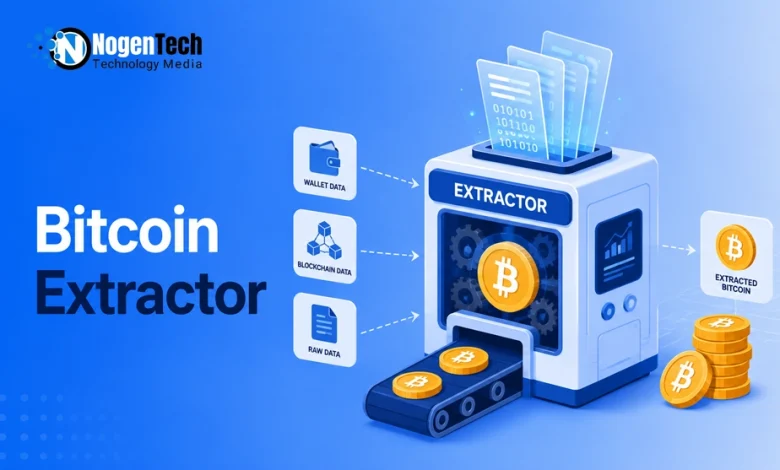
A Bitcoin extractor is a tool that retrieves and organizes publicly available Bitcoin blockchain data for transaction tracking, wallet monitoring, and analysis.
Bitcoin extractors can help users:
- Track transactions: View transaction histories, fees, and confirmations.
- Monitor wallets: Check public balances and address activity.
- Analyze blockchain data: Examine on-chain records for investment analysis.
- Generate reports: Organize data for research, compliance, or Bitcoin marketing.
These tools retrieve data through a Bitcoin node or blockchain API and present it in readable reports or dashboards. However, Bitcoin extractors cannot access private keys, unlock wallets, or recover lost funds. Be cautious of tools claiming otherwise.
A Critical Red Flag to Keep in Mind
Legitimate Bitcoin extractors only analyze public blockchain data; they cannot recover private keys, unlock wallets, or extract funds. Be cautious of tools claiming to generate free Bitcoin, recover lost wallets, or access someone else’s assets, as these are common scams.
Key Features of a Bitcoin Extractor Tool
A Bitcoin extractor helps users analyze and monitor blockchain data by turning complex on-chain records into clear, actionable insights.
From tracking transactions to monitoring network performance, these tools simplify blockchain analysis for investors, businesses, developers, researchers, and compliance teams.
1. Transaction Analysis
A blockchain analytics tool retrieves detailed information about every public Bitcoin transaction, including:
- Transaction hash (TXID)
- Sender and recipient addresses
- Transaction amount
- Network fees
- Timestamp
- Confirmation status
This makes it easier to verify payments, trace fund movements, and analyze on-chain activity. While an extractor monitors confirmation times and mempool fees, speed is especially vital when users are actively cashing out assets to fiat accounts.
2. Wallet Balance and Address Tracking
Instead of checking wallet addresses individually, users can monitor multiple addresses from one dashboard to:
- View wallet balances
- Track address activity
- Aggregate holdings
- Generate balance reports
This feature is particularly useful for portfolio management and corporate treasury monitoring. Aggregating wallet activity from a single dashboard simplifies portfolio tracking and compliance auditing for corporate treasuries.
3. Historical Blockchain Analysis
Since every Bitcoin transaction is permanently recorded, blockchain analytics platforms can uncover long-term trends such as:
- Spending and accumulation patterns
- Wallet activity over time
- Market cycles
- Network growth
These insights help researchers, analysts, and investors make more informed decisions.
4. Real-Time Monitoring and Alerts
Many platforms support real-time notifications whenever a monitored wallet address records activity, such as:
- Incoming transactions
- Outgoing transactions
- Large-value transfers
- Custom alert thresholds
This enables faster security monitoring, compliance reporting, and market tracking.
5. Blockchain Explorer Capabilities
Many Bitcoin extractors also function as blockchain explorers, allowing users to search and inspect:
- Wallet addresses
- Transactions
- Blocks
- UTXOs
- Confirmation history
Professional platforms often include APIs, bulk data exports, and advanced reporting for large-scale blockchain analysis.
6. Network Analytics
Beyond wallets and transactions, these tools provide visibility into the overall health of the Bitcoin network by tracking:
- Hash rate
- Mining difficulty
- Mempool size
- Transaction confirmation times
- Fee trends
- Block propagation
These metrics help developers, miners, and researchers monitor network performance and changing blockchain conditions.
What Should You Look for in a Bitcoin Extractor App?
A reliable Bitcoin extractor app should provide accurate blockchain data, real-time monitoring, and secure analytics without claiming to recover private keys or access funds.
When comparing tools, look for the following features:
- Trusted data sources through a Bitcoin node or reputable blockchain APIs.
- Real-time blockchain data with frequent updates.
- Wallet and address monitoring with customizable alerts.
- Complete transaction history for historical blockchain analysis.
- Data export options such as CSV, JSON, or API access.
- Developer support through well-documented APIs.
- Transparent methodology and a strong industry reputation.
Some of the most widely used blockchain analytics and explorer platforms include:
- Chainalysis – Blockchain intelligence and compliance.
- Glassnode – On-chain analytics and market insights.
- Elliptic – Blockchain risk management and investigations.
- CipherTrace – Transaction monitoring and compliance.
- Blockchain.com Explorer – Public blockchain explorer.
- Mempool.space – Bitcoin mempool and fee analytics
What Are the Limitations of Bitcoin Extractor Tools?
Bitcoin extractors provide valuable blockchain insights, but they also have limitations related to privacy, data accuracy, legal compliance, and technical complexity.
1: Privacy Concerns
Bitcoin transactions are publicly recorded on the blockchain. While wallet addresses are pseudonymous, blockchain analytics can reveal transaction patterns and, in some cases, link activity to real-world identities when combined with external data.
2: Data Accuracy
The quality of extracted data depends on the platform’s data sources and analysis methods. Important findings should always be verified, especially for financial, legal, or compliance purposes.
3: Legal and Compliance Considerations
Accessing public blockchain data is generally legal, but organizations must comply with applicable privacy, AML, and data protection regulations when collecting, analyzing, or sharing blockchain information.
4: Technical Complexity
Professional blockchain analytics platforms often require an understanding of concepts such as transaction hashes, UTXOs, address clustering, and on-chain analysis. Beginners may find public blockchain explorers easier to use before moving to advanced analytics tools.
What People Ask About Bitcoin Extractor?
What is the answer to the Bitcoin Extractor NYT crossword clue?
The most common answer is MINER. In crossword puzzles, a Bitcoin extractor refers to a Bitcoin miner, which creates new Bitcoin by validating transactions and securing the network.
Is a Dark Web Bitcoin Extractor real?
No. Tools advertised as Dark Web Bitcoin Extractors that promise to recover, unlock, or extract Bitcoin from wallets are scams. Legitimate blockchain analytics tools cannot access private wallets or move funds without authorization.
The Final Word on Bitcoin Extractors
A Bitcoin extractor is best understood as a blockchain analytics tool, not a tool for recovering or extracting Bitcoin. Its value lies in making public blockchain data easier to access, analyze, and interpret for research, compliance, security, and portfolio monitoring.
In my view, as Bitcoin adoption continues to grow, blockchain analytics tools will become increasingly important for improving transparency and supporting informed decision-making.
At the same time, users should be cautious of software that claims to recover private keys or unlock wallets, as legitimate Bitcoin extractors only analyze publicly available blockchain data.
Choosing a trusted platform and understanding its capabilities is the best way to benefit from blockchain analytics while avoiding common misconceptions and scams.