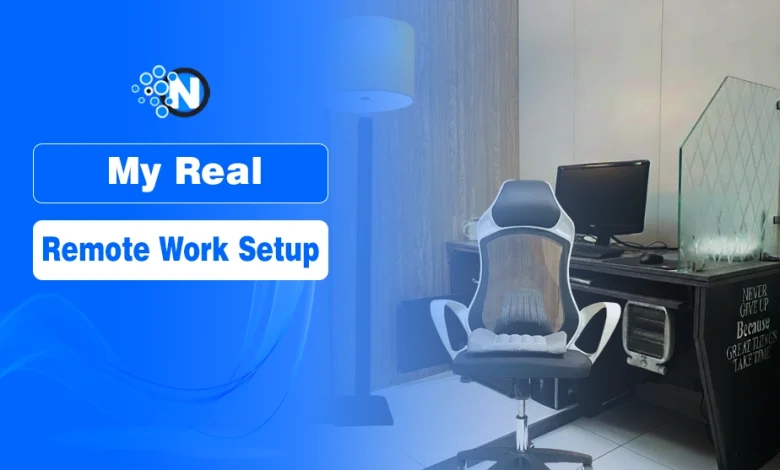
My Real Remote Work Setup: What Actually Works After Working From Home Daily
A well-designed remote work setup, ergonomic chair, organized desk, reliable internet, and focus tools, boosts comfort, productivity, and focus.

When I first started working remotely, I was thinking that a laptop and a table were enough. Within a few weeks, back pain, distractions, messy cables, and constant internet anxiety proved me wrong.
Over time, I refined my remote work setup through trial, error, and long workdays. What I follow is not a theory, it’s what I personally use and why it works. Remote work has grown rapidly over the years, and recent statistics show just how many professionals are now working from home, highlighting the need for an effective and comfortable setup.
In this guide I will show you how to build a practical, distraction-free remote workspace that supports long hours, focus, and consistency.
Ergonomic Chair: The First Upgrade That Changed Everything
The moment I invested in a proper ergonomic chair, I felt an immediate improvement in both comfort and productivity. Before that, sitting for 6–8 hours on a basic chair caused constant lower back pain, shoulder stiffness, and frequent breaks just to stretch or adjust my posture. Over time, that physical discomfort started affecting my focus and work quality.
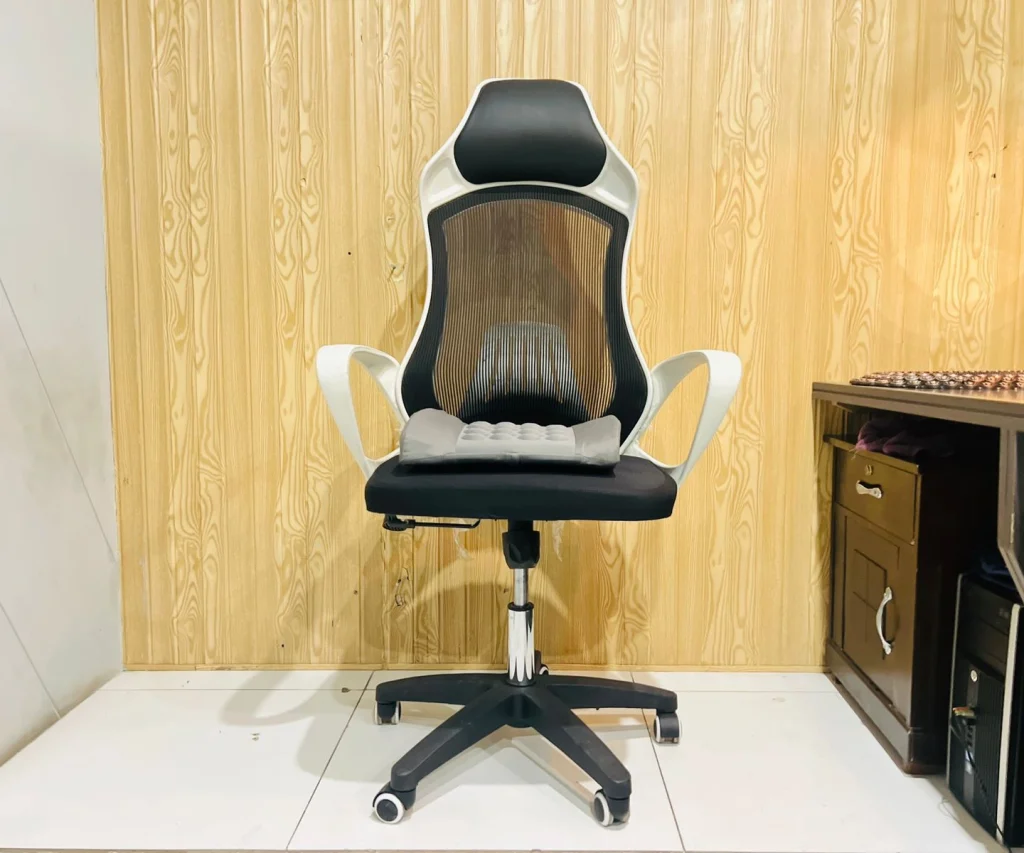
W hen I decided to upgrade, I didn’t look for anything fancy, I focused on comfort and long-term support. These were the key features I personally prioritized:
- Adjustable lumbar support to maintain natural spine alignment
- Armrest height alignment that matched my desk level and reduced shoulder tension
- Breathable back material to stay comfortable during long work sessions
Once my seating posture was fixed, everything else in my setup felt easier, typing, concentrating, and even staying seated for longer periods without fatigue. If your chair isn’t supporting your body properly, no amount of productivity tools will help. That’s why I always recommend starting your remote work setup with the right chair.
Desk Drawer, Filing Cabinet, and Keyboard Tray
A messy desk with things will distract your focus from work and feel uncomfortable. I underestimated how much desk clutter affects focus. So I recommend keeping your desk clean in every manner. Here are some suggested things that can save your can to clean your desk.
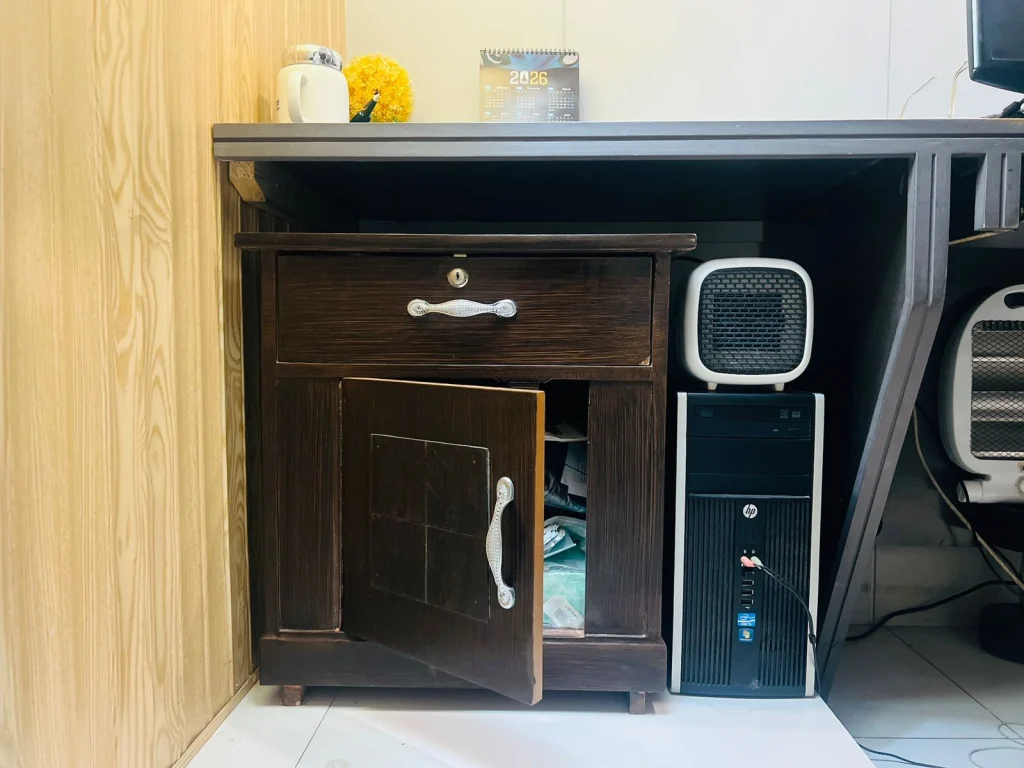
- A desk drawer keeps daily-use items like notebooks, USBs, and chargers out of sight.
- A filing cabinet holds contracts, invoices, and printed references, especially useful if you still deal with paperwork.
- A keyboard tray helped me keep my wrists aligned while typing for hours, especially during writing-heavy days.
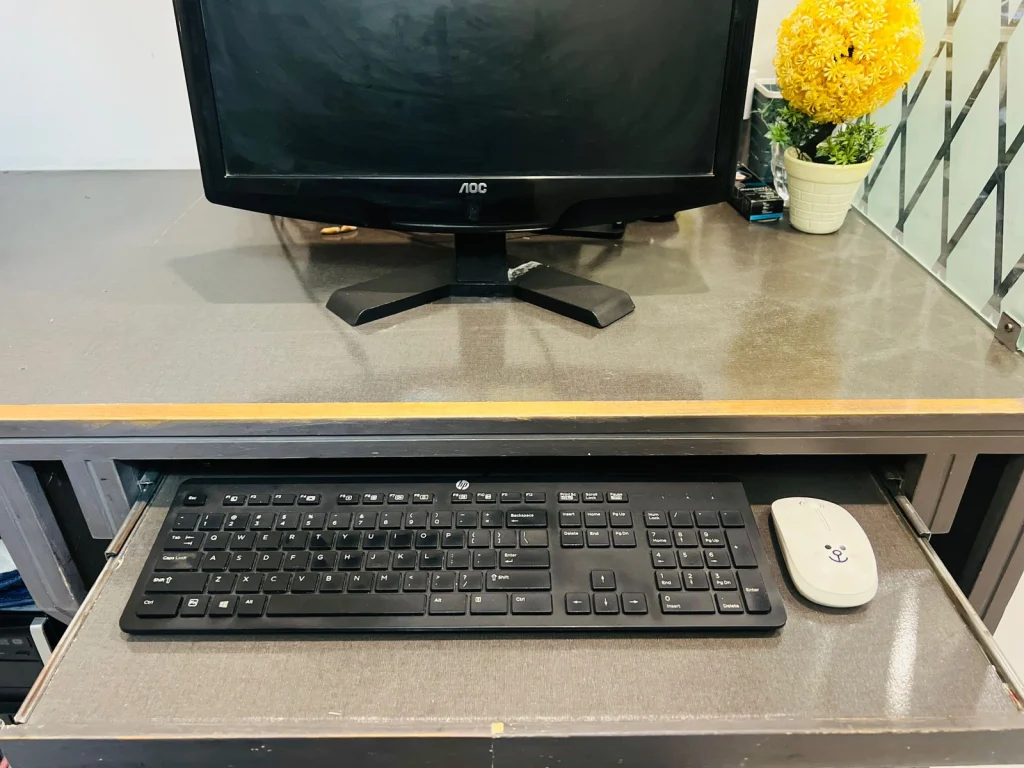
A clean surface keeps my mind clean. And I can focus on my work easily and be more productive rather than messy .
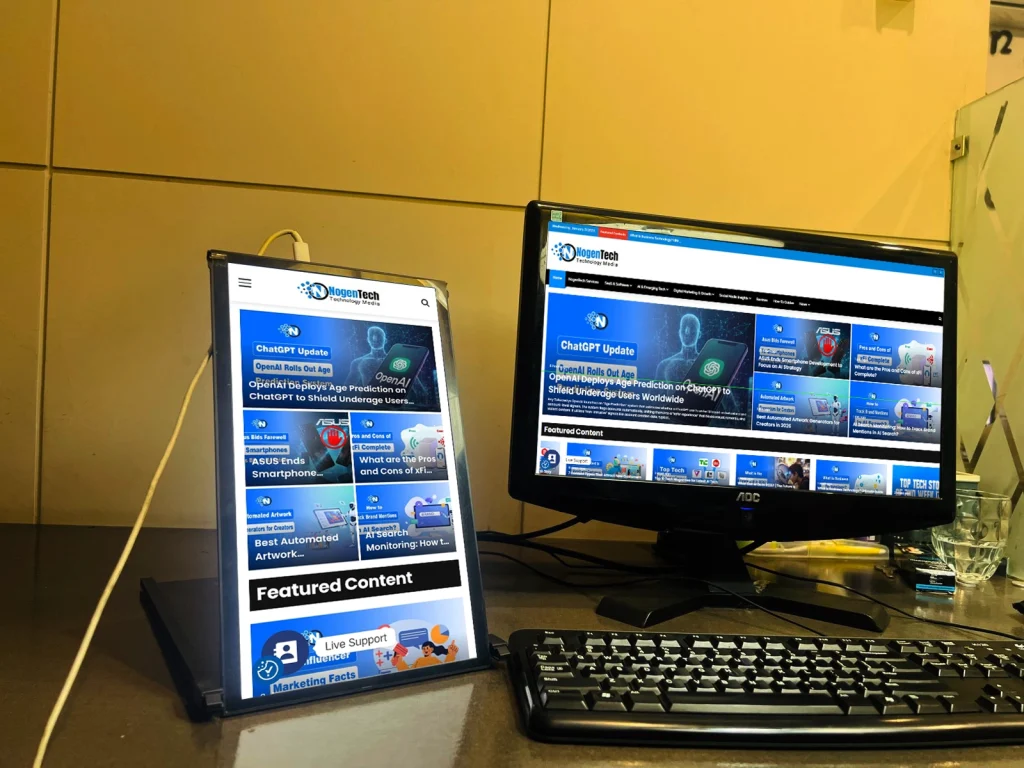
Dual Monitor Setup: My Biggest Productivity Multiplier
Adding a dual monitor setup was a game-changer.
Here’s how I personally use it:
- Main screen: active work (writing, coding, design)
- Second screen: research, emails, Slack, or reference material
I stopped constantly switching tabs, which reduced mental fatigue. Once you try it, going back to a single screen feels impossible.
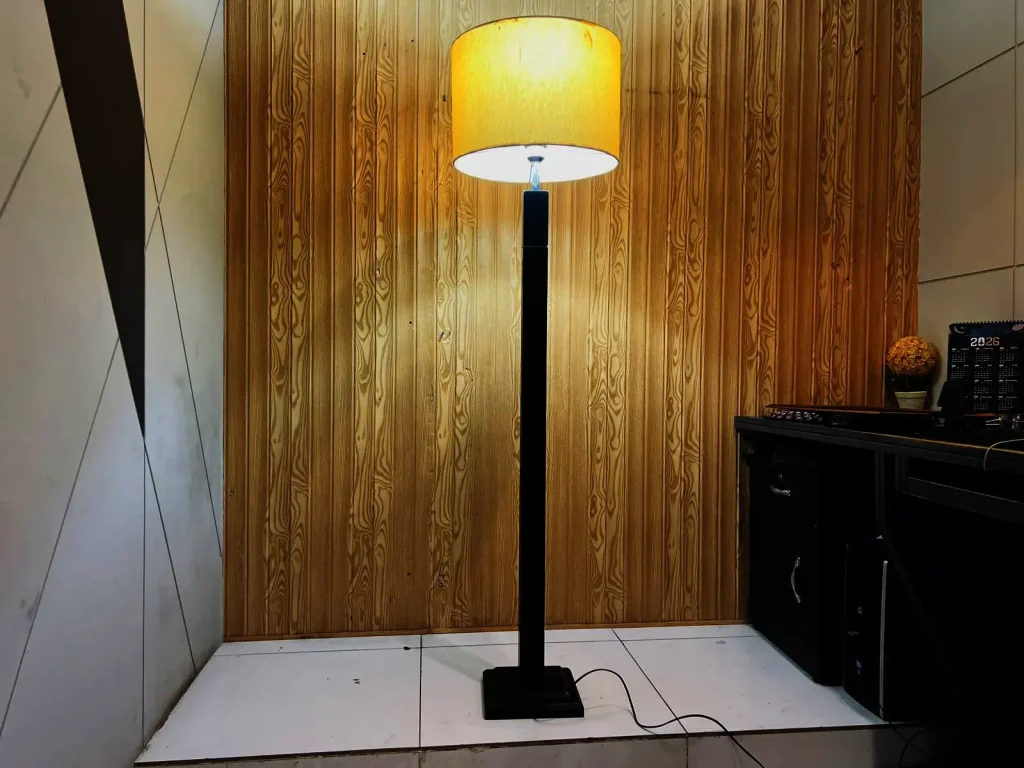
Lamp and Glass for Privacy: Controlling Light and Boundaries
Lighting matters more than most people realize. A focused desk lamp has been essential for my evening work because it reduces eye strain compared to harsh room lighting. It also allows me to work comfortably when someone nearby is sleeping, as the light stays directed on my desk instead of filling the entire room. This way, I can continue working without disturbing anyone else’s comfort.
I also use frosted or tinted glass for privacy on my workspace window. It blocks visual distractions while still allowing natural light to enter, so the room never feels closed or isolated. More importantly, it gives me peace of mind, if someone walks in, I don’t feel panicked or interrupted by what I’m working on. This small adjustment helped me mentally switch into “work mode” and maintain focus throughout the day.
Mechanical Keyboard vs Wireless Keyboard: Why I Use Both
I switch between:
- A mechanical keyboard for long writing sessions (better feedback, less fatigue)
- A wireless keyboard when I need a cleaner desk or work from a flexible position
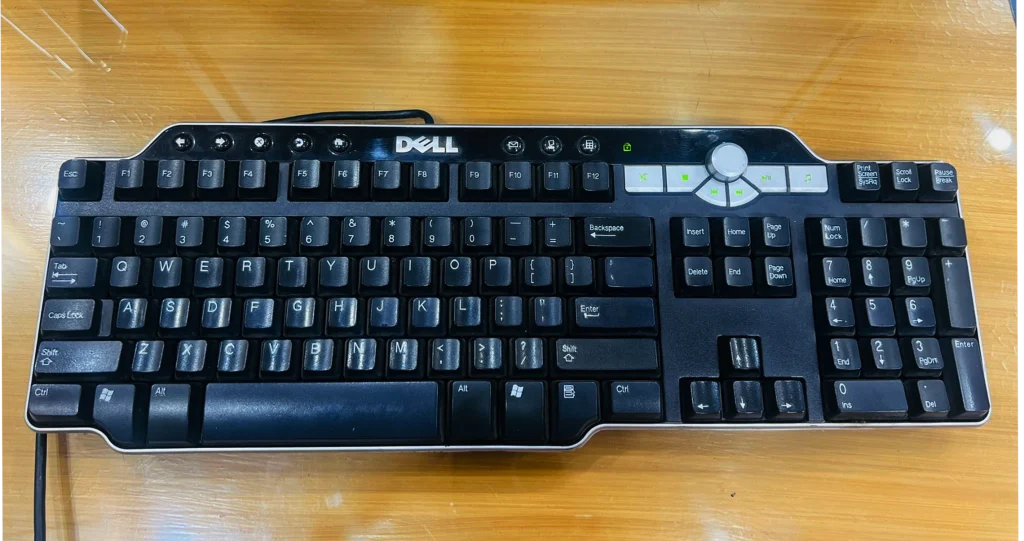
Mechanical keys improved typing accuracy for me, while wireless keeps things minimal when needed.
Clean Cable Management: The Setup Nobody Talks About Enough
For a long time, I ignored cable management because it felt like a cosmetic detail. In reality, messy wires became one of the biggest hidden distractions in my remote work setup.
Every time I moved my chair, adjusted my desk, or reached for something, a cable would snag, unplug, or create visual clutter that constantly pulled my attention away from work.
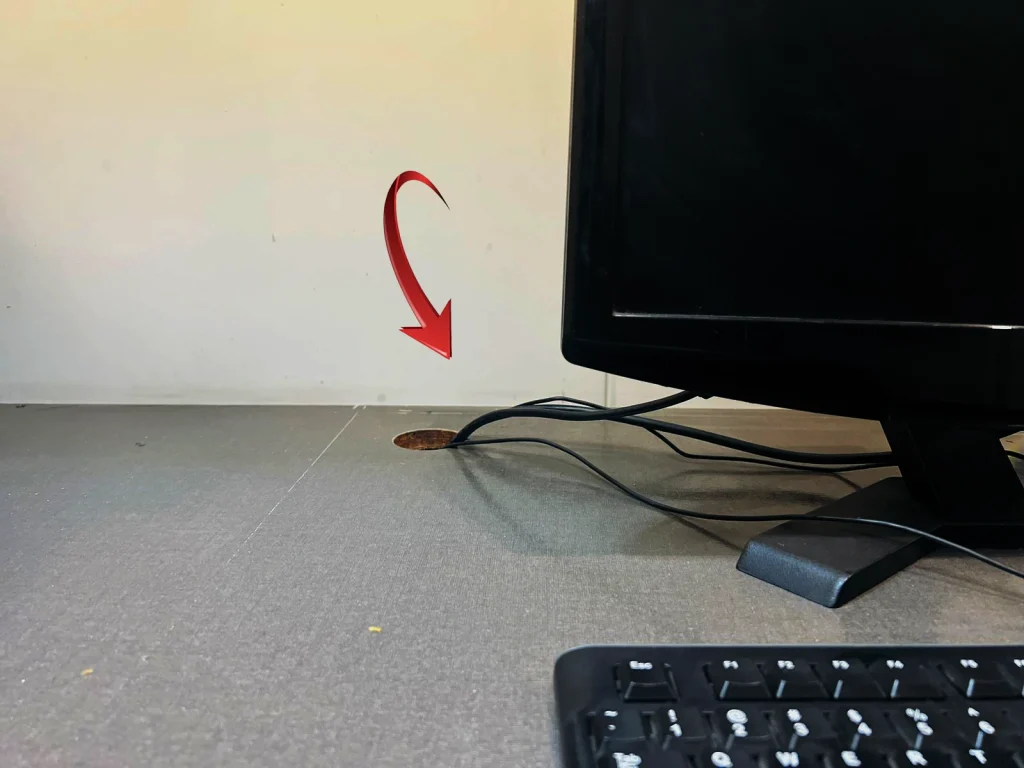
Once I finally fixed my clean cable management, the difference was immediate, not just visually, but mentally.
What I personally did was simple but intentional:
- Routed all cables neatly under the desk instead of letting them hang or tangle around my legs
- Used cable clips and sleeves to separate data cables from power cables, which made troubleshooting much easier
- Labeled important data cables so I never had to guess which one powered my monitor, router, or external device
Power Strip, Data Cables, and Ethernet Cable: Stability Over Style
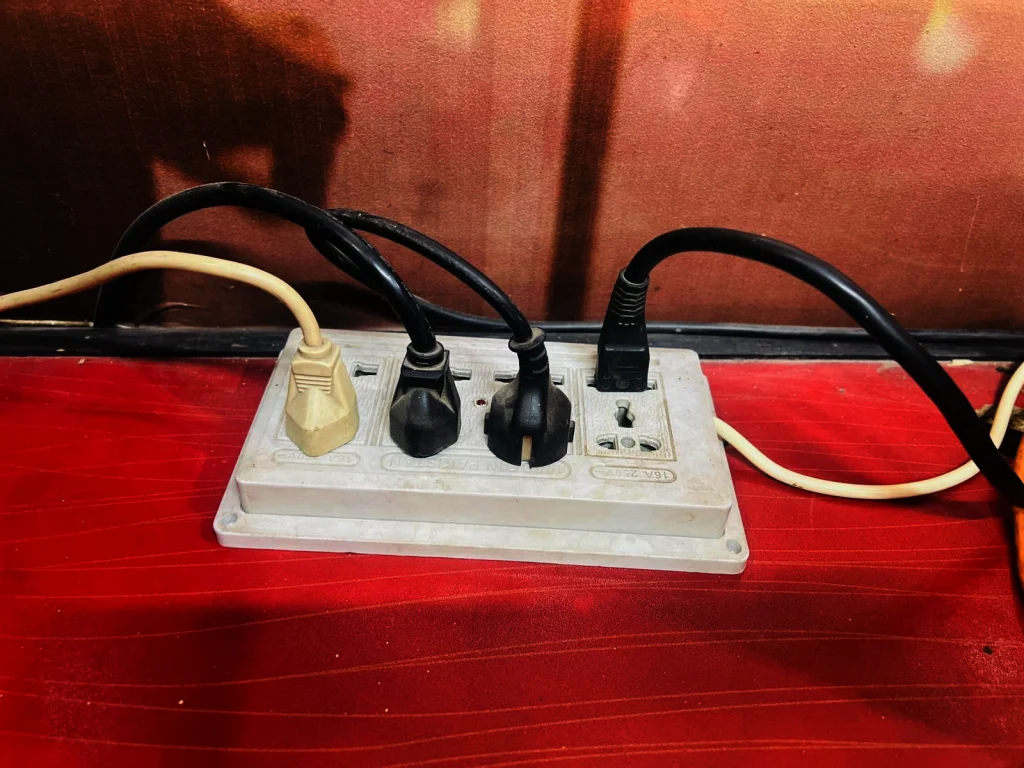
A reliable power strip with surge protection protects my devices and avoids constant unplugging.
I always keep:
- Extra data cables (USB-C, Lightning, HDMI)
- A wired Ethernet cable connected directly to my router
Even with Wi-Fi, Ethernet gives me consistent speed during meetings and uploads.
Wi-Fi Router (Backup): Why I Keep a TP-Link Ready
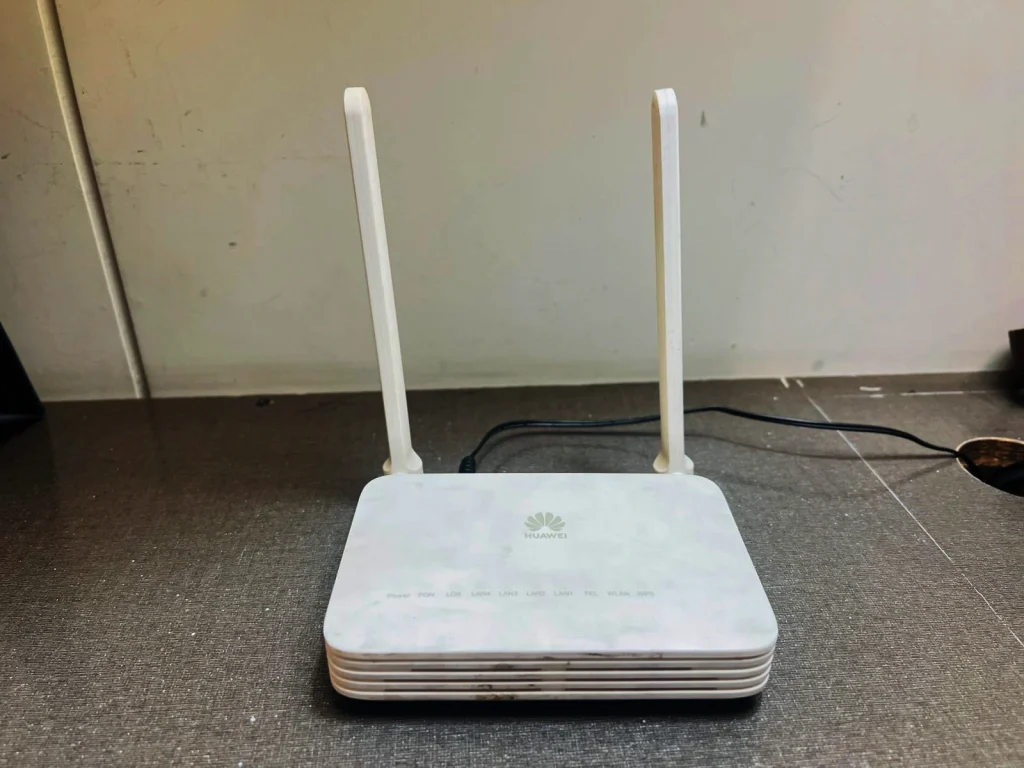
Internet failure is one of the biggest stress points in remote work. I learned this the hard way when my primary connection dropped in the middle of an important meeting. Since then, I always keep a TP-Link Wi-Fi router as a backup option, and it has become one of the most valuable parts of my remote work setup.
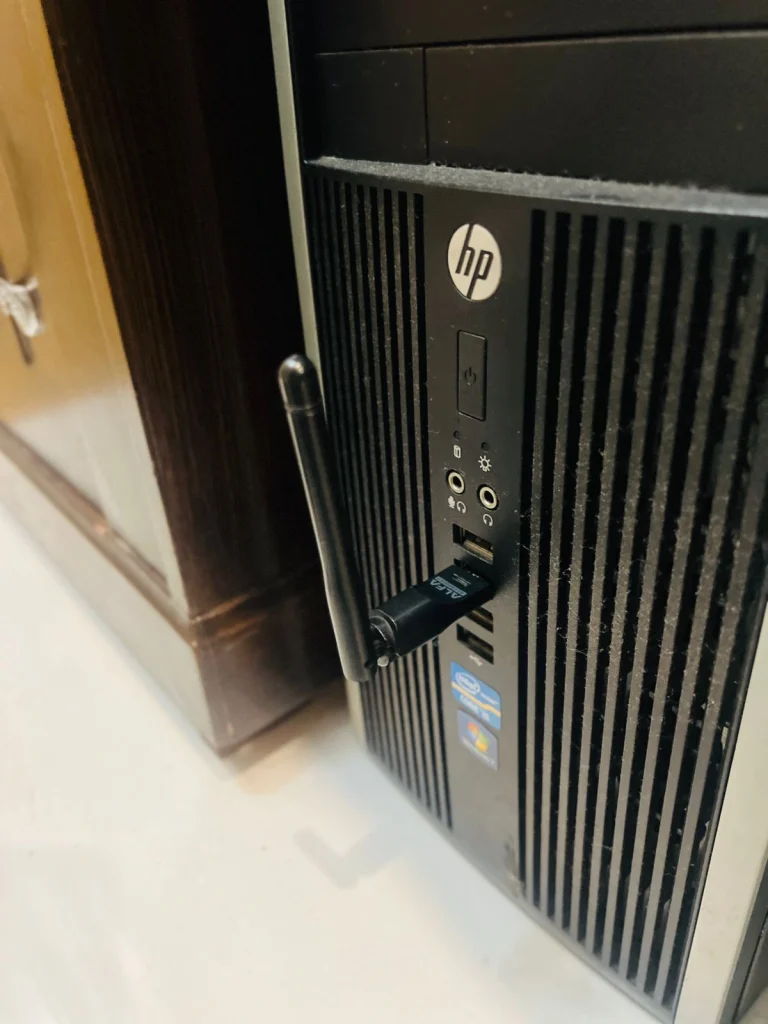
My main connection is usually stable, but remote work demands consistency, not hope. With a backup router already configured, I don’t waste time troubleshooting or calling support when something goes wrong. I simply switch connections and continue working within minutes.
When my main internet drops:
- I switch instantly without restarting devices
- Online meetings continue without panic or awkward interruptions
- No work hours are lost to connectivity issues
This backup setup has saved me multiple times during client calls, file uploads, and deadline-sensitive tasks. The cost of a secondary router is small compared to the time, professionalism, and peace of mind it protects. In my experience, this single addition paid for itself very quickly and removed one of the biggest uncertainties of working remotely.
Noise-Canceling Headphones: My Focus Shield
Noise is one of the hardest challenges to control when working remotely, especially in shared or family environments. Street sounds, household activity, and unexpected interruptions, particularly from children, can easily break concentration. This is where noise-canceling headphones became my personal focus shield.
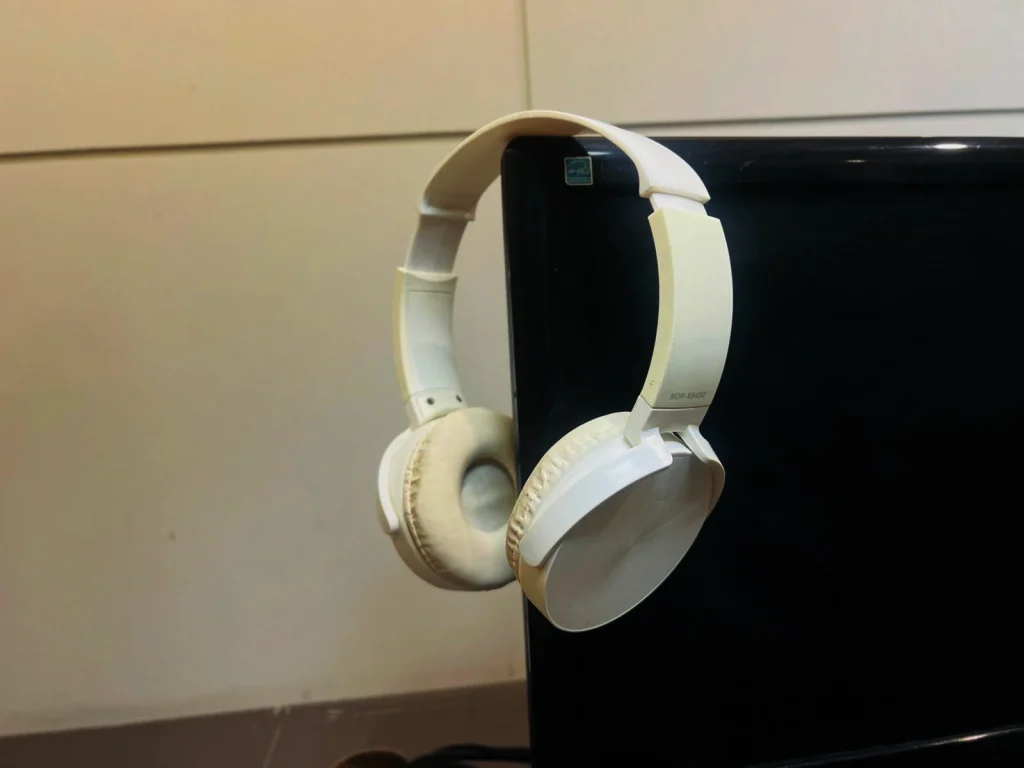
I don’t wear them just to block sound; I use them to create a mental boundary between work and everything happening around me. The moment I put them on, my brain switches into work mode, and distractions fade into the background.
I rely on them:
- During writing and planning sessions that require deep focus
- In online meetings to hear clearly and speak confidently
- When I need mental isolation to complete tasks without interruption
These headphones don’t just cancel noise, they protect concentration, reduce mental fatigue, and help me stay consistent even in noisy situations. For me, they are not a luxury but a productivity tool that makes remote work possible in real-life conditions.
Mobile Holding Stand: Small Tool, Big Convenience
A mobile holding stand may seem like a minor addition to a remote work setup, but it has made a noticeable difference in how I manage distractions. Instead of placing my phone flat on the desk or constantly picking it up, the stand keeps my phone upright, visible, and intentional.
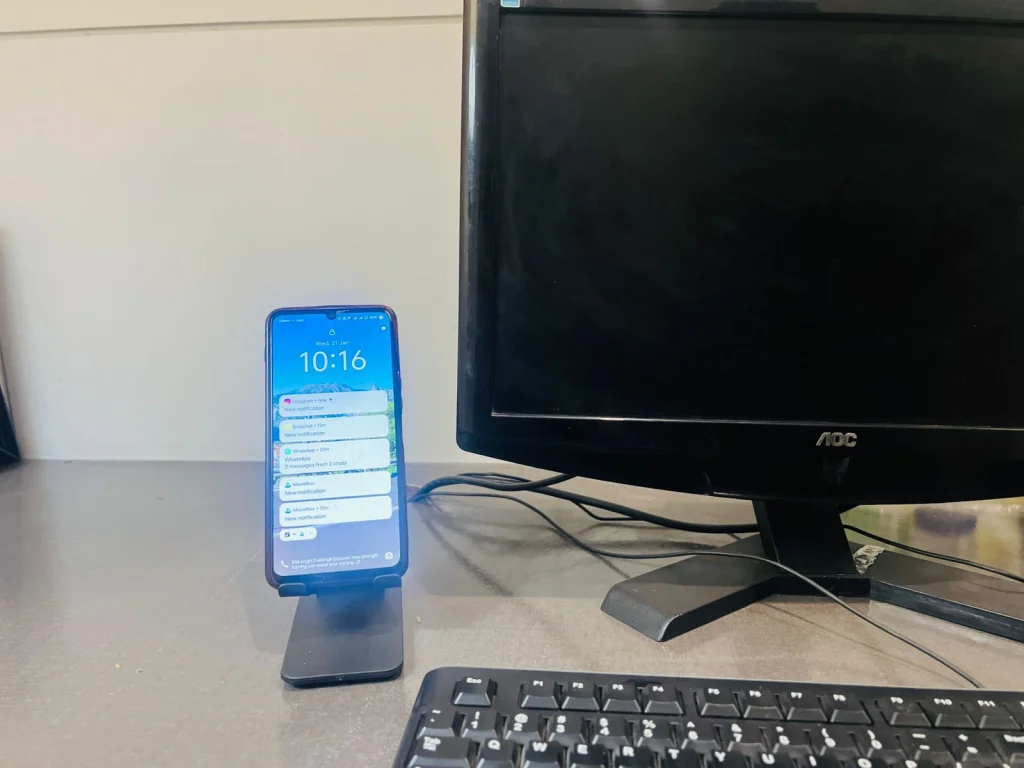
I use it primarily for work-related needs:
- Viewing calendar alerts and reminders without unlocking my phone repeatedly
- Approving two-factor authentication requests quickly and securely
- Checking quick references such as messages or notifications without breaking focus
Because my phone stays in one fixed position, I’m far less likely to scroll or handle it unnecessarily during work hours. This small habit change reduced distractions, saved time, and helped me stay mentally present. For me, the mobile holding stand acts as a boundary, my phone supports my work instead of interrupting it.
Quotes to Motivate You: The Mental Setup Matters Too
My remote work setup isn’t just about desks, monitors, or tools, it’s also about mindset. Over time, I realized that productivity doesn’t only come from a functional workspace; it comes from a space that keeps you mentally engaged and motivated. That’s why I intentionally include quotes to motivate me near my desk.

I don’t use generic motivational posters. Instead, I choose short, meaningful reminders that connect directly to my goals, discipline, and long-term vision. These quotes sit within my line of sight, so I see them during breaks, between tasks, or on days when energy is low.
On difficult or unmotivated days, they work quietly in the background, no pressure, no noise, just a gentle push to stay consistent. They help me reset my mindset, refocus on why I started, and continue working even when motivation fades.
This mental setup may seem small, but it plays a powerful role in building a sustainable remote work routine.
Final Thoughts: A Remote Work Setup Is Built, Not Bought
My biggest lesson from working remotely is simple: a great and comfortable remote work setup doesn’t happen overnight. It evolves with experience. You don’t need to buy everything at once or chase trends you see online. What matters is building your setup step by step based on real needs.
I started by fixing comfort, proper seating, lighting, and posture. Then I focused on stability, especially reliable internet and power. Only after that did I optimize for focus and productivity. This order saved me money and prevented frustration.
Every item in my setup earned its place through daily use, not marketing hype. If you’re serious about remote work, build a workspace that supports your body during long hours, protects your mental focus, and fits naturally into your workflow. Over time, small improvements add up to a setup you can rely on every day.
People Also Ask about Remote Work Setup
You can start in a small corner, what matters is low distractions, good light, and posture. Even a wall-facing desk works well if optimized.
Not strictly. But many users report 20–30% productivity boost when working with two screens—especially if you often reference documents and conduct video calls.
Many remote-first teams recommend 50–90 minutes of deep work followed by a 5-10-minute break. Find what fits your rhythm.