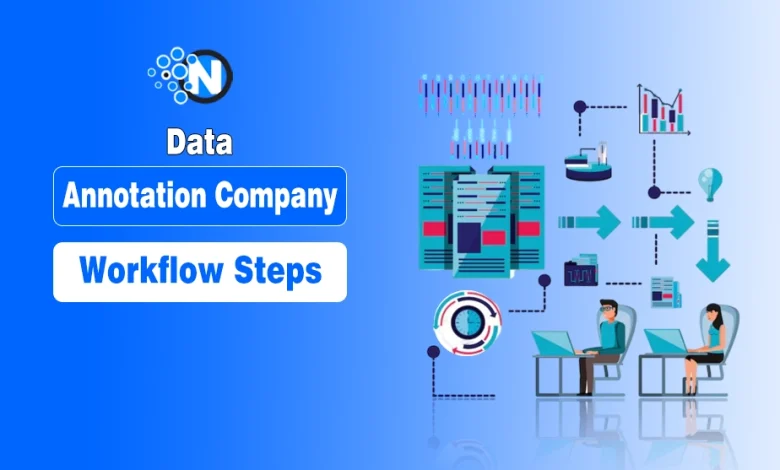
How Data Annotation Company Workflow Powers Reliable AI?
Data annotation companies are the backbone of reliable AI, offering far more than just labeling. Their workflow spans project intake, guideline development, workforce training, annotation, quality assurance, and delivery.

When you hear the term data annotation, it might sound like something tucked away in the back office of a tech company—quiet, technical, and maybe even a little boring. But step inside the workflow of a professional data annotation company, and you’ll discover a fascinating process that powers everything from self-driving cars to medical AI.
You can’t build reliable AI without high-quality labeled data. But most teams don’t have the time or resources to do that labeling in-house. That’s where a data annotation company steps in. These providers offer structured data annotation services that cover everything from file intake to quality checks and final delivery.
In this blog post, you will learn how a typical data annotation outsourcing company works.
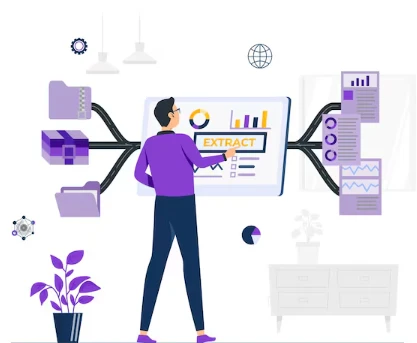
What a Data Annotation Company Actually Does?
It’s not just labeling, there’s a lot more happening behind the scenes.
Scope of Services
A professional data annotation company handles much more than assigning tags or drawing boxes. The work typically includes:
- Preparing and organizing raw datasets
- Annotating across formats: text, image, video, audio, 3D, scanned documents
- Creating custom guidelines and edge case handling instructions
- Running QA and tracking quality metrics
- Supporting model retraining with updated labels
- Managing secure delivery and version control
Some providers also help clean and standardize incoming data, or offer feedback to improve your dataset before annotation even starts.
Common Misconceptions
Many teams think data annotation is just mechanical work. It’s not. Real annotation projects often involve:
- Complex judgment calls (e.g. is this sentiment neutral or slightly negative?)
- Domain-specific expertise (e.g. labeling medical or legal text)
- Cross-team coordination between project managers, reviewers, and clients
- Continuous updates to guidelines as the model evolves
If you’re working on a production-level dataset, partnering with a reliable data annotation company can save time, improve accuracy, and reduce rework later in the pipeline.
Step-by-Step Workflow
Here’s what a typical end-to-end annotation workflow looks like inside a professional setup.
1. Project Intake and Scoping
The client first shares the raw data along with the project goals and deadlines. The team then reviews the data formats, volumes, and any special requirements. Early in the process, edge cases and success metrics are clearly defined. The expected output format, such as COCO, JSON, or CSV, is also confirmed upfront.
2. Guideline Development
Labeling rules are created with input from both the client and internal leads. The instructions include examples, corner cases, and fail cases, and the guidelines are shared with the annotation team before any work begins. These documents continue to evolve over time based on QA results.
3. Workforce Preparation
Annotators are selected based on domain expertise, task type, or language. The teams then go through internal training or walkthroughs, and test batches are used to check their understanding and accuracy before the full rollout.
4. Annotation Process
Work is assigned in batches using either custom or off-the-shelf annotation tools. Complex cases are flagged for review instead of being guessed, and labels are applied according to predefined classes and taxonomy. Reviewers monitor progress and provide feedback in real time.
5. Quality Assurance (QA)
Second-pass reviewers check a percentage of each batch, while automated tools flag inconsistencies or outliers. Rejected samples go through revision cycles, and inter-annotator agreement is tracked to ensure consistency.
6. Delivery and Review
The final data is exported in the agreed format, and clients may review a sample or request a feedback round. Post-delivery support can include format tweaks or additional revisions.
What Roles Are Involved in the Data Annotation Company Workflow?
It’s not just annotators. A full-service team includes multiple layers of support.
Internal Team Structure
A professional data annotation company builds projects around clear roles:
- Annotators. Trained to follow specific guidelines and handle volume efficiently
- QA reviewers. Double-check accuracy, flag issues, and manage revisions
- Project managers. Track progress, manage deadlines, and handle client communication
- Tool specialists. Configure the platform, monitor tool issues, and support the workflow
- Client success leads. Provide status updates, manage change requests, and document decisions
This structure helps prevent common issues like missed deadlines, inconsistent labels, or poor feedback loops.
Communication with Client
Good annotation work depends on clear and consistent communication. A typical setup includes a dedicated point of contact, weekly status updates or shared dashboards, real-time communication channels such as Slack, Teams, or email, and defined escalation paths for edge cases or guideline conflicts. Clients don’t just hand off data and wait; they stay involved throughout the process, especially during early batches or when guidelines change.
How Quality Standards Are Maintained
Instead of only fixing errors, professional annotation teams create processes that catch them in advance.
Built-In QA
Quality control is part of the workflow, not a last-minute step. Common practices include:
- Double-labeling: Two annotators label the same data for comparison
- Spot checks: QA team samples random items from each batch
- Error tagging: Issues are logged and categorized for pattern tracking
- Automated checks: Tools flag missing labels, format mismatches, or class errors
QA reviewers typically have more experience or subject knowledge than annotators, especially on complex tasks.
Guidelines and Retraining
No set of instructions is perfect from day one. Quality standards are kept up by:
- Updating guidelines when new edge cases appear
- Tracking annotator performance with simple metrics (accuracy, revision rate)
- Running short retraining sessions if the same mistakes keep showing up
- Logging changes so the full team stays aligned
This creates a feedback loop: QA informs training, training improves output, output feeds back into QA.
Metrics Used
Most teams track quality using a mix of simple but effective metrics:
| Metric | What it measures |
| Accuracy rate | % of correctly labeled items |
| Review pass rate | % of tasks that pass without edits |
| Time per task | Labeling speed vs. project baseline |
| Agreement score | Consistency across annotators |
The aim is not only high scores but consistency across batches and team members.
Signs You’re Working with a Professional Team
You can spot a serious data annotation provider by how they run projects, not by their logo or pitch deck.
What to Expect
A professional team will always start with a clear kickoff process and scope agreement, share labeling guidelines and QA setup before work begins, assign a dedicated contact or team lead, and offer full visibility into batch progress and quality metrics. They also document edge cases and how they were resolved, and provide formatted, consistent output that is ready for training without extra cleanup. These aren’t extras, they are baseline standards in a well-run operation.
Red Flags
If you’re already working with a provider and seeing these issues, it may be time to reassess:
- Communication gaps, vague answers, or delayed replies
- No explanation of their QA process
- Guidelines that keep changing with no version control
- Data coming back mislabeled, incomplete, or in the wrong format
- Everything depends on one person instead of a structured team
- You’re catching more errors than their reviewers are
The best data annotation outsourcing companies aim to make things easier, not harder. If your internal team is spending too much time fixing labels or asking for revisions, you’re not getting what you paid for.
The Human Touch Behind Trustworthy AI
So, inside the workflow of a professional data annotation company, you’ll find a blend of human expertise, smart tools, and rigorous processes. It’s not just about labeling data, it is about building the foundation for trustworthy AI.
Next time you hear about a breakthrough in self-driving cars or medical diagnostics, remember: behind the scenes, there’s a team of annotators carefully shaping the data that makes it possible.