- Cyber risk awareness is essential for preventing phishing, ransomware, and data breaches.
- Understanding your attack surface helps identify hidden vulnerabilities.
- Practical, engaging training is more effective than one-time compliance sessions.
- Simple tools like MFA and password managers reduce human error.
- A strong cybersecurity culture significantly reduces breach chances.
Have you ever clicked on a suspicious email at work and immediately wondered if you just exposed your company to a cyberattack? You’re not alone—and that single moment highlights a much bigger issue.
Cyber risk awareness is the ability of employees and organizations to recognize, prevent, and respond to digital threats like phishing, ransomware, and data breaches.
In this modern digital-first world, cyber risk is no longer just an IT concern—it’s a business-critical priority. Companies rely on cloud systems, store sensitive customer data, and operate through connected tools. One small mistake can lead to financial loss, downtime, and reputational damage.
In this blog post, you will learn why cyber risk is a new business problem and how businesses can improve cyber risk awareness to prevent attacks and compliance issues.
Why Cyber Risk Is Now a Business Problem?
Cyber threats are no longer limited to large tech companies. Today, ransomware attacks, phishing scams, and data breaches affect small businesses, hospitals, retailers, and global enterprises alike.
Recent high-profile incidents show how quickly a cyberattack can disrupt operations. Systems go offline, employees lose access to critical data, and customer trust declines.
Cybersecurity must be treated like financial risk or legal compliance—a core part of business strategy, not an afterthought. When leadership prioritizes it, employees follow.
Understanding What Hackers Actually See
Most organizations focus on protecting systems they know about, but attackers focus on everything the company accidentally exposes online. That difference often explains why breaches happen even at companies with strong security tools.
Security teams increasingly emphasize attack surface visibility because modern businesses operate across cloud apps, remote devices, and third-party vendors. Every exposed login portal, forgotten server, or outdated application becomes a potential entry point for criminals scanning the internet.
A company cannot defend what it cannot see. Mapping every digital asset, from employee laptops to cloud storage services, helps teams detect weak spots early. Organizations that regularly audit their digital footprint often discover surprising exposures, such as test systems left online or unused admin accounts still active.
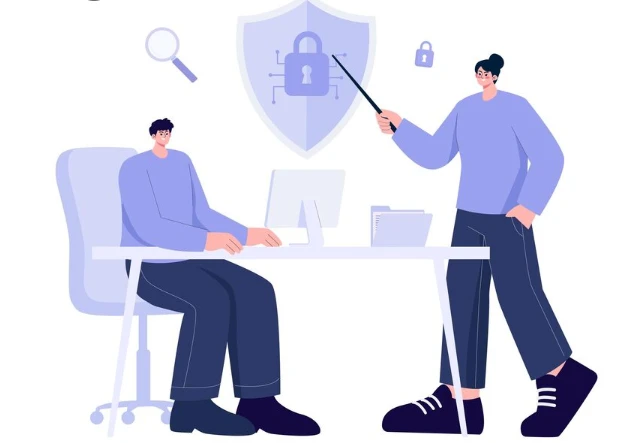
Training Employees Without Boring Them
Many companies treat cybersecurity training like a compliance checkbox. Employees watch a dull video once a year, click through a quiz, and promptly forget everything they learned.
Instead, effective training should be:
- Practical (real-world examples)
- Interactive (simulated phishing attacks)
- Relevant (based on employee roles)
When employees understand how scams actually work—like urgency-based emails or fake payment requests—they become more cautious.
Small habits, like pausing before clicking a link, can prevent major incidents.
Making Security Part of Everyday Work
Cyber awareness improves when security becomes part of normal workflows rather than an extra burden. Employees should not need to memorize complicated rules just to stay safe.
Simple policies help. Password managers remove the need to remember dozens of complex passwords. Multi-factor authentication adds an extra layer of protection without requiring technical knowledge. Automatic software updates ensure systems stay protected against newly discovered vulnerabilities.
Companies that integrate security tools smoothly into daily work reduce mistakes and improve compliance. Employees are far more likely to follow security practices when those practices save time rather than slow them down.
Learning From High-Profile Cyber Incidents
Most cyberattacks succeed due to simple mistakes—not advanced hacking.
Common causes include:
- Weak or stolen passwords
- Unpatched software
- Clicking phishing links
Businesses should regularly review real-world breach cases and discuss them internally.
When employees see how a small error caused major damage elsewhere, cyber risks become real, and behavior changes.
Monitoring Vendors and Partners
Modern companies rarely operate alone. Cloud providers, software vendors, payment processors, and marketing platforms all connect to internal systems. Every partnership expands the organization’s digital exposure.
Vendor risk management has become a critical part of cyber awareness. Before granting system access, businesses should evaluate a partner’s security practices, data handling policies, and breach response plans. This process prevents weak security at one company from becoming a gateway into another.
Organizations should also review vendor permissions regularly. Partners often retain access long after a project ends, leaving unnecessary openings that attackers may exploit.
Building a Cyber Awareness Culture That Actually Sticks
Cyber awareness programs succeed when they become part of company culture rather than a yearly reminder email from IT. Employees should regularly hear about security in team meetings, internal newsletters, and leadership updates so that the topic stays visible and relevant.
Organizations can reinforce good habits by sharing short lessons from real incidents, celebrating employees who report suspicious activity, and encouraging departments to discuss how cyber risks affect their specific work.
Over time, this steady reinforcement helps employees see cybersecurity as a shared responsibility. When awareness becomes routine instead of occasional, businesses dramatically reduce the chances that a simple mistake will turn into a costly breach.
Encouraging Employees to Report Problems Early
Many cyber incidents escalate because employees hesitate to report issues.
Common reasons:
- Fear of blame
- Uncertainty
- Lack of clear reporting channels
Businesses should:
- Encourage a no-blame culture
- Provide easy reporting tools (e.g., “Report Phishing” button)
- Respond quickly to alerts
Early reporting can stop a minor issue from becoming a major breach.
Turning Awareness Into a Long-Term Strategy
Cyber awareness must evolve alongside technology and emerging threats. Treating cybersecurity as a one-time training event leaves businesses vulnerable to new attack methods.
A strong program goes beyond compliance, incorporating regular training updates, realistic security drills, and ongoing discussions about emerging risks. For instance, the rapid rise of artificial intelligence has introduced new dangers, such as AI-generated phishing messages that can trick even experienced employees.
Organizations that stay curious about cyber trends adapt faster and respond more effectively. By combining leadership support, employee training, comprehensive asset visibility, and vendor oversight, businesses can shift from reactive security measures to a proactive cybersecurity culture—one that safeguards operations, reputation, and long-term resilience.