I’ll be honest, the first time I saw “bitcoin extractor” as a search query, I assumed everyone searching it had the same thing in mind.
A blockchain data tool. Something technical. Something an analyst or compliance officer would use.
I wasn’t right
And the majority of people searching “bitcoin extractor” are sitting at their kitchen table, stuck on a crossword clue, increasingly frustrated that none of their answers fit the five available squares.
The rest are genuinely curious about what a bitcoin extractor actually is, how it works, what it does, and whether it’s something they should be using.
So Now I will You’ll get the crossword answer immediately: MINER. And if you need to know about how bitcoin extractor tools work, what they’re actually used for, and what their real limitations are, all of it is here.
What Is a Bitcoin Extractor?
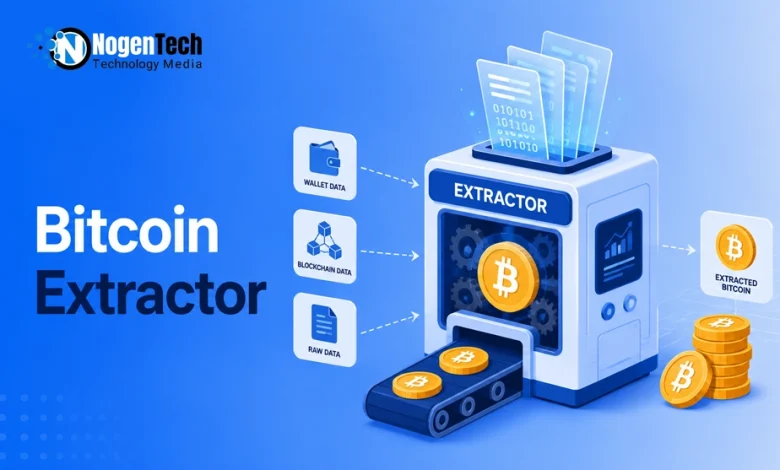
A Bitcoin extractor is a software tool that retrieves and organizes publicly available data from the Bitcoin blockchain for analysis, monitoring, and reporting.
It helps users convert complex blockchain records into readable insights without accessing private or sensitive information.
Bitcoin extractors typically collect data such as:
- Transaction histories
- Wallet balances
- Address activity
- Block and network statistics
- Transaction fees and confirmation status
How Does a Bitcoin Extractor Work?
A Bitcoin extractor follows four basic steps:
- Connects to the blockchain through a Bitcoin node or blockchain API.
- Parses blockchain data into a structured, readable format.
- Extracts relevant information such as transactions, addresses, balances, and timestamps.
- Presents the data through dashboards, reports, alerts, or exported files for further analysis.
What Can a Bitcoin Extractor Do?
Extractors help investors view spending patterns, wallet balances, and market cycles to evaluate investment potential.
Analyzing historical on-chain metrics allows researchers and investors to conduct thorough investment analysis before committing capital.
| Can Do | Cannot Do |
|---|---|
| Read public blockchain data | Access private keys |
| View public wallet balances | Move or spend Bitcoin |
| Track on-chain transaction history | Hack or bypass wallet security |
| Monitor address activity | Reveal wallet owners without additional evidence |
| Analyze historical blockchain data | Modify or reverse blockchain transactions |
Real-time monitoring tools enable faster compliance tracking and allow teams to highlight major market moves during broader crypto marketing for bitcoin efforts.
A Critical Red Flag to Keep in Mind
Legitimate Bitcoin extractors only analyze public blockchain data; they cannot recover private keys, unlock wallets, or extract funds. Be cautious of tools claiming to generate free Bitcoin, recover lost wallets, or access someone else’s assets, as these are common scams.
Key Features of a Bitcoin Extractor Tool
A Bitcoin extractor helps users analyze and monitor blockchain data by turning complex on-chain records into clear, actionable insights.
From tracking transactions to monitoring network performance, these tools simplify blockchain analysis for investors, businesses, developers, researchers, and compliance teams.
1. Transaction Analysis
A blockchain analytics tool retrieves detailed information about every public Bitcoin transaction, including:
- Transaction hash (TXID)
- Sender and recipient addresses
- Transaction amount
- Network fees
- Timestamp
- Confirmation status
This makes it easier to verify payments, trace fund movements, and analyze on-chain activity. While an extractor monitors confirmation times and mempool fees, speed is especially vital when users are actively cashing out assets to fiat accounts.
2. Wallet Balance and Address Tracking
Instead of checking wallet addresses individually, users can monitor multiple addresses from one dashboard to:
- View wallet balances
- Track address activity
- Aggregate holdings
- Generate balance reports
This feature is particularly useful for portfolio management and corporate treasury monitoring. Aggregating wallet activity from a single dashboard simplifies portfolio tracking and compliance auditing for corporate treasuries.
3. Historical Blockchain Analysis
Since every Bitcoin transaction is permanently recorded, blockchain analytics platforms can uncover long-term trends such as:
- Spending and accumulation patterns
- Wallet activity over time
- Market cycles
- Network growth
These insights help researchers, analysts, and investors make more informed decisions.
4. Real-Time Monitoring and Alerts
Many platforms support real-time notifications whenever a monitored wallet address records activity, such as:
- Incoming transactions
- Outgoing transactions
- Large-value transfers
- Custom alert thresholds
This enables faster security monitoring, compliance reporting, and market tracking.
5. Blockchain Explorer Capabilities
Many Bitcoin extractors also function as blockchain explorers, allowing users to search and inspect:
- Wallet addresses
- Transactions
- Blocks
- UTXOs
- Confirmation history
Professional platforms often include APIs, bulk data exports, and advanced reporting for large-scale blockchain analysis.
6. Network Analytics
Beyond wallets and transactions, these tools provide visibility into the overall health of the Bitcoin network by tracking:
- Hash rate
- Mining difficulty
- Mempool size
- Transaction confirmation times
- Fee trends
- Block propagation
These metrics help developers, miners, and researchers monitor network performance and changing blockchain conditions.
What Should You Look for in a Bitcoin Extractor App?
A reliable Bitcoin extractor app should provide accurate blockchain data, real-time monitoring, and secure analytics without claiming to recover private keys or access funds.
When comparing tools, look for the following features:
- Trusted data sources through a Bitcoin node or reputable blockchain APIs.
- Real-time blockchain data with frequent updates.
- Wallet and address monitoring with customizable alerts.
- Complete transaction history for historical blockchain analysis.
- Data export options such as CSV, JSON, or API access.
- Developer support through well-documented APIs.
- Transparent methodology and a strong industry reputation.
Some of the most widely used blockchain analytics and explorer platforms include:
- Chainalysis – Blockchain intelligence and compliance.
- Glassnode – On-chain analytics and market insights.
- Elliptic – Blockchain risk management and investigations.
- CipherTrace – Transaction monitoring and compliance.
- Blockchain.com Explorer – Public blockchain explorer.
- Mempool.space – Bitcoin mempool and fee analytics
What Are the Limitations of Bitcoin Extractor Tools?
Bitcoin extractors provide valuable blockchain insights, but they also have limitations related to privacy, data accuracy, legal compliance, and technical complexity.
1: Privacy Concerns
Bitcoin transactions are publicly recorded on the blockchain. While wallet addresses are pseudonymous, blockchain analytics can reveal transaction patterns and, in some cases, link activity to real-world identities when combined with external data.
2: Data Accuracy
The quality of extracted data depends on the platform’s data sources and analysis methods. Important findings should always be verified, especially for financial, legal, or compliance purposes.
3: Legal and Compliance Considerations
Accessing public blockchain data is generally legal, but organizations must comply with applicable privacy, AML, and data protection regulations when collecting, analyzing, or sharing blockchain information.
4: Technical Complexity
Professional blockchain analytics platforms often require an understanding of concepts such as transaction hashes, UTXOs, address clustering, and on-chain analysis. Beginners may find public blockchain explorers easier to use before moving to advanced analytics tools.
What People Ask About Bitcoin Extractor?
What is the answer to the Bitcoin Extractor NYT crossword clue?
The most common answer is MINER. In crossword puzzles, a Bitcoin extractor refers to a Bitcoin miner, which creates new Bitcoin by validating transactions and securing the network.
What is the Bitcoin Extractor NYT Mini answer?
The answer is usually MINER, a five-letter word commonly used in both the NYT Mini and the standard New York Times Crossword.
What is the Bitcoin Extractor crossword clue?
In most crossword puzzles, Bitcoin extractor clues point to MINER, referring to the process of mining new Bitcoin.
What does “Bitcoin extractor” mean?
The term has two common meanings:
- Bitcoin miner in crossword puzzles and casual use.
- Blockchain analytics tool that extracts public Bitcoin blockchain data for analysis.
What is the best Bitcoin extractor tool?
The best tool depends on your needs:
- Chainalysis – Compliance and blockchain investigations.
- Glassnode – On-chain analytics and market research.
- Elliptic – Risk management and compliance.
- Mempool.space or Blockchain.com Explorer – Free blockchain exploration.
Are Bitcoin extractor tools safe?
Yes, legitimate Bitcoin extractors are safe because they only analyze publicly available blockchain data. Avoid any software claiming to recover private keys, unlock wallets, or extract Bitcoin from other users’ accounts.
Is a Dark Web Bitcoin Extractor real?
No. Tools advertised as Dark Web Bitcoin Extractors that promise to recover, unlock, or extract Bitcoin from wallets are scams. Legitimate blockchain analytics tools cannot access private wallets or move funds without authorization.
The Final Word on Bitcoin Extractors
A Bitcoin extractor is best understood as a blockchain analytics tool, not a tool for recovering or extracting Bitcoin. Its value lies in making public blockchain data easier to access, analyze, and interpret for research, compliance, security, and portfolio monitoring.
In my view, as Bitcoin adoption continues to grow, blockchain analytics tools will become increasingly important for improving transparency and supporting informed decision-making.
At the same time, users should be cautious of software that claims to recover private keys or unlock wallets, as legitimate Bitcoin extractors only analyze publicly available blockchain data.
Choosing a trusted platform and understanding its capabilities is the best way to benefit from blockchain analytics while avoiding common misconceptions and scams.