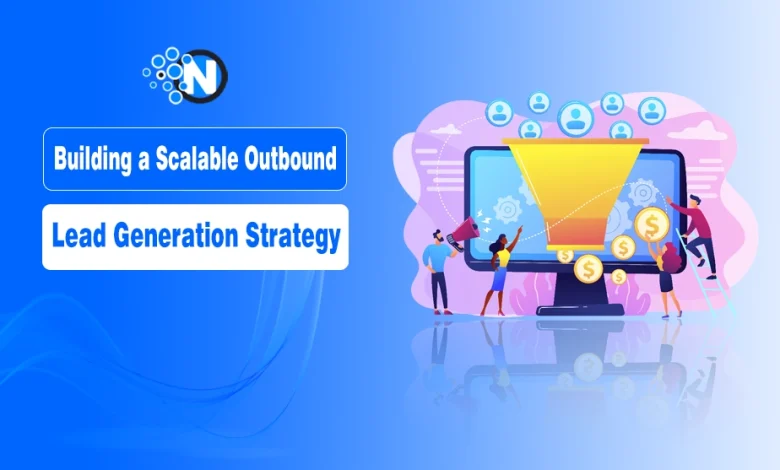
Modern outbound marketing is a proactive growth engine that complements inbound efforts. Instead of using outdated “spray and pray” tactics, successful companies now use a sophisticated, research-based approach to target high-value accounts directly, ensuring growth doesn’t rely solely on passive attraction.
I used to believe that inbound marketing would eventually replace outbound entirely.
The logic seemed sound. Create valuable content. Attract qualified prospects. Let them come to you rather than chasing them. The efficiency of inbound appeared to make outbound obsolete.
Then I spent time with businesses actually trying to grow and discovered how incomplete that perspective was. Inbound works beautifully for some companies in some markets. But waiting for prospects to find you is not a growth strategy for everyone. Many businesses need to proactively create opportunities rather than hoping opportunities arrive.
What I have learned since then is that the most successful companies combine both approaches strategically. They build inbound foundations while executing outbound campaigns that accelerate growth beyond what passive attraction alone can achieve.

Why Outbound Still Matters?
The case for outbound has never actually disappeared.
Inbound marketing requires time to build momentum. Content must be created, indexed and discovered. Authority must be established. The results are powerful but delayed. Businesses needing growth now cannot wait for inbound alone.
Outbound provides:
- Total Control: Select exactly which accounts to target and dictate when engagement happens.
- Resource Efficiency: Direct your budget and effort toward the prospects most likely to convert.
- Strategic Timing: Reach prospects before they start searching to shape their perception of the solution.
- First-Mover Advantage: Establish relationships while competitors are still waiting for search results to kick in.
- Latent Need Discovery: Surface unrecognized problems for busy B2B decision-makers who aren’t actively looking for help.
The Modern Outbound Stack
Effective outbound today looks different from what it did a decade ago.
The spray and pray approach of mass cold emailing has become increasingly ineffective. Prospects ignore generic messages. Email providers filter aggressive senders. The tactics that once generated responses now generate complaints.
Modern outbound requires advancement across multiple dimensions. Research depth, personalisation quality, channel selection, timing and follow-up sequences all affect outcomes. Each element demands attention that amateur approaches cannot provide.
The technology stack supporting outbound has expanded considerably. Customer relationship management systems track interactions. Sales intelligence platforms provide prospect data. Email automation tools manage sequences. Each capability enables scale but requires expertise to leverage effectively.
What strikes me most about successful outbound operations is how much work happens before any prospect receives a message. The research, list building, messaging development and system configuration that precede outreach often determine results more than the outreach itself.
Building Versus Buying Outbound Capability
Every growing business faces a fundamental choice about outbound capacity.
Building internal teams provides maximum control and knowledge retention. Sales development representatives who understand your product deeply can adapt messaging in real time. They accumulate institutional knowledge that improves targeting over time.
The costs are substantial though. Salaries, benefits, management overhead, tools and training add up quickly. Hiring takes time. Ramping new team members takes longer. The investment makes sense at scale but creates challenges for businesses still finding their footing.
External resources offer flexibility that internal teams cannot match. Capacity can scale up or down based on needs. Specialised expertise becomes accessible without long-term commitment. The economics often favour external support during growth phases when needs fluctuate.
Many organisations exploring outbound lead generation services discover options ranging from full-service agencies to individual specialists. Providers like Wing Assistant have developed models specifically supporting sales operations with dedicated assistants who handle prospecting, research and outreach activities. The approach bridges the gap between fully internal teams and traditional outsourcing.
The right choice depends on factors specific to each business. Sales cycle complexity, market characteristics, internal capabilities and growth stage all influence whether building, buying or combining approaches makes most sense.
The Research Foundation
Outbound effectiveness begins with research quality.
Targeting the wrong prospects wastes every subsequent effort. Messages reaching people without relevant needs generate no responses regardless of how well-crafted they are. The precision of targeting determines the ceiling for campaign performance.
Ideal customer profile development deserves more attention than most businesses provide. Beyond basic firmographics, understanding what triggers purchasing decisions, who participates in those decisions and what objections typically arise enables far more effective outreach.
Account selection based on detailed criteria produces better results than broad list purchasing. The hundred accounts most likely to convert deserve more attention than a thousand accounts that merely meet minimum criteria. Quality over quantity applies throughout outbound operations.
Individual prospect research takes targeting deeper still. Understanding what specific people care about, what challenges they face and what they have communicated publicly enables personalisation that generic approaches cannot match. This research is time-intensive but dramatically improves response rates.
Messaging That Actually Works
The messages prospects receive determine whether research and targeting produce results.
Generic templates have become nearly worthless. Prospects recognise them instantly. The same tired formulas appear in their inboxes repeatedly. Standing out requires genuine differentiation that templates cannot provide.
Inserting a company name into a template is not personalisation. Referencing specific challenges the prospect faces, recent company developments or shared connections demonstrates genuine attention that prospects notice and appreciate.
Value proposition clarity matters more than clever copywriting because it instantly shows your worth to potential leads and encourages them to buy from you. Prospects need to understand quickly what you offer and why it might matter to them. Confusion kills response rates. Simple, direct communication of relevant value outperforms sophisticated messaging that obscures the point.
The call to action affects conversion significantly. Asking for too much too soon creates friction. Requesting brief conversations rather than lengthy meetings, offering value before asking for time and making next steps easy all improve response rates.
Multi-Channel Orchestration
Email alone rarely achieves optimal results.
Prospects engage across multiple channels. They check LinkedIn, answer phones, attend events and consume content. Reaching them requires presence across the channels where they actually spend attention.
Sequencing across channels multiplies touchpoint effectiveness. The prospect who ignores an email might engage with a LinkedIn message referencing that email. The phone call following both creates a different conversation than a cold call from nowhere.
Timing between touches requires testing and refinement. Too aggressive and prospects feel harassed. Too passive and momentum dissipates. The optimal cadence varies by market, role and other factors that only testing reveals.
Attribution becomes complex with multi-channel approaches. Understanding which combinations drive responses requires careful tracking and analysis. The investment in measurement infrastructure pays returns through improved allocation of effort.
Scaling Without Sacrificing Quality
Growth creates tension between volume and quality.
The approaches that work for ten prospects per day may not scale to hundreds. The personalisation possible with careful research becomes impractical as volume increases. Maintaining quality while increasing quantity requires deliberate system design.
Segmentation enables scaled personalisation. Rather than unique messages for every prospect, developing tailored approaches for distinct segments provides relevance without requiring individual customisation. The granularity of segmentation determines how personalised scaled outreach can feel.
Technology assists but does not replace judgment. Automation can handle repetitive tasks and ensure consistent execution. But strategic decisions about targeting, messaging and engagement require human oversight. The best systems combine automated efficiency with human intelligence.
Quality metrics deserve equal attention as volume metrics. Response rates, conversation quality and pipeline progression tell you whether scaling is working. High volume with declining quality produces worse results than moderate volume with maintained standards.
Integrating Outbound With Broader Marketing
Outbound does not exist in isolation.
The prospects you reach through outbound will likely encounter your other marketing before, during or after direct engagement. Website content, social media presence, advertising and PR all shape perceptions that affect outbound response.
You can do it effectively with:
- Message Alignment: Synchronize multi-channel messaging to reinforce credibility and avoid prospect confusion.
- Content Synergy: Repurpose inbound assets, like case studies and thought leadership, to warm up cold outreach.
- Strategic Feedback: Use outbound objections and prospect language to sharpen broader marketing messaging.
- Market Intelligence: Leverage direct sales insights to inform and improve organizational strategy.
Measurement and Optimisation
Improvement requires measurement.
The metrics that matter extend beyond simple activity counts. Emails sent, calls made and connections requested tell you about effort but not effectiveness. Response rates, meeting conversion and pipeline generation reveal whether effort produces results.
Some ways to do are:
- Funnel Diagnostics: Identify specific drop-off points to fix the weakest links for maximum impact.
- Continuous Testing: Run ongoing experiments with messaging and timing to turn outbound into an optimized system.
- Revenue Attribution: Connect activities directly to closed deals to ensure data-driven resource allocation.
- Performance Refinement: Move beyond guesswork by using real-time data to inform every campaign adjustment.
Stop Waiting for Growth and Start Creating It
Effective outbound lead generation requires strategy, execution and continuous improvement.
The fundamentals have not changed. Identifying good prospects, reaching them with relevant messages and following up persistently still works. But the standards for what counts as relevant messaging and effective execution have risen considerably.
Businesses succeeding with outbound today invest appropriately in the capabilities required. Whether through internal teams, external support or combinations of both, they build the research, messaging and operational infrastructure that modern outbound demands.
The results justify the investment. Proactively created opportunities that compound over time. The relationships built through thoughtful outreach generate value beyond initial transactions. The growth that outbound enables creates capacity for further investment. For businesses ready to grow faster than inbound alone allows, building advanced outbound capabilities deserves serious strategic attention.