Online scams are becoming more advanced every year, making it harder for people to distinguish genuine individuals from fake identities. Online scammers stole a record $16.6 billion in 2024, a 33% increase from 2023, said the FBI.
Scammers thrive on personal information. They use stolen or publicly available data to trick people into handing over money or sensitive details.
Whether it is on dating apps, hiring freelancers, networking on social media, or connecting with potential clients, it has never been more crucial to check who you are talking to.
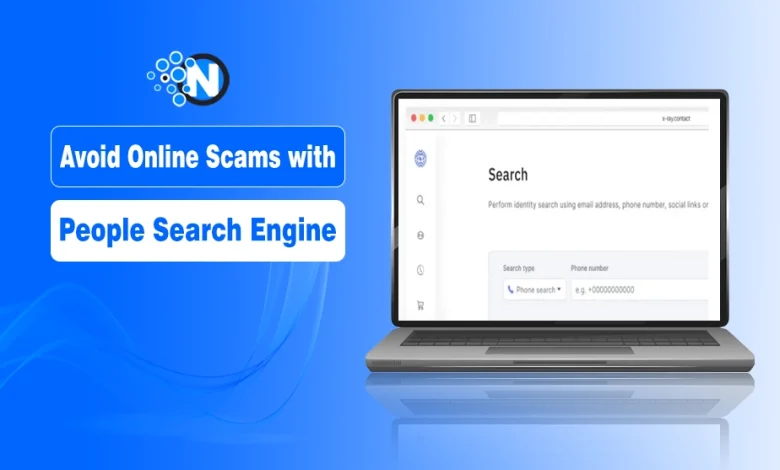
Modern tools, such as a person search engine, allow tracing the red flags, verifying identities, and maintaining safety on the Internet much more easily.
In this blog post, you will learn how a person search engine can help protect you from online scams, and how to use them effectively.

Why Online Scams Are Rising
The digital world has made communication effortless, but it has also created new opportunities for fraud. Scammers exploit anonymity, automation, and psychological manipulation to deceive victims.
Some common reasons scams are increasing include:
- More platforms for communication (dating apps, marketplaces, social media)
- Easier identity masking using fake photos or stolen profiles
- Increased remote work, making it harder to vet professionals
- Economic pressures, which make people more vulnerable to quick-money schemes
- AI-generated content allowing scammers to create realistic fake identities
Understanding these trends helps underline why people search tools are now essential for online safety.
The Most Common Types of Online Scams
To avoid falling into a scammer’s trap, it helps to recognize their favorite tactics. Some of the most widespread scams include:
1. Romance Scams
Fraudsters use fake profiles, stolen photos, and emotional manipulation to build trust and request money.
2. Investment or Crypto Scams
Promises of quick returns, “guaranteed” profits, or urgent opportunities are major red flags.
3. Fake Job or Freelancer Scams
These include:
- Fake employers offering high-paying remote work
- Freelancers using false credentials
- Phishing disguised as recruitment
4. Marketplace and E-commerce Scams
Scammers sell items they never ship, or they buy goods using stolen accounts.
5. Identity Theft
Fake accounts impersonate real people to extract sensitive information.
6. Business Impersonation
Scammers pose as legitimate companies, consultants, or salespeople using stolen branding.
Regardless of the scam type, identity manipulation is nearly always involved—and that is exactly where people search engines become valuable.
How a People Search Engine Helps You Avoid Scams
People search tools are designed to gather publicly available information and give you a clearer picture of who you’re dealing with online. Here’s how they protect you from fraud.
1. Verifying Someone’s Identity
One of the biggest strengths of a people search engine is identity verification. Before engaging with someone online, you can check:
- Whether their name appears across multiple legitimate platforms
- If the photo they use online appears elsewhere
- If their job title, company, or background is real
- Whether they have any digital history at all (a red flag if they claim to be prominent)
Scammers often create profiles that look polished but lack depth or consistency. A real person usually leaves many traces online.
2. Detecting Fake or Stolen Photos
Reverse image matches help you see if a profile picture appears on:
- Stock image sites
- Multiple unrelated accounts
- Scam report platforms
If a profile photo appears in multiple places with different names, the identity is almost always fake.
3. Checking Social Media Consistency
Scammers often fabricate social media activity. A people search engine can show you:
- Linked accounts
- Gaps in personal history
- Suspiciously new profiles
- Duplicate accounts with slight variations
A genuine person will usually have a consistent online presence across several years.
4. Confirming Work and Education Background
Fraudsters often inflate job titles or invent careers to build credibility.
By using a people search engine, you can check:
- Whether they appear on professional platforms like LinkedIn
- If co-workers or references are real
- Whether their stated work history matches public information
If someone claims to be a CEO but has no digital footprint, something is wrong.
5. Reviewing Public Records
Some people search engines pull from publicly available databases, which can show:
- Business registrations
- License verification
- Court records
- Property information
While not always necessary, these details help validate whether a person’s story aligns with reality.
6. Identifying Duplicate or Suspicious Accounts
Scammers often reuse usernames, bios, or photos across multiple platforms.
A people search tool helps you discover:
- Secondary accounts under the same name
- Old abandoned profiles
- Links between suspicious identities
These patterns help you separate authentic individuals from fabricated personas.
Red Flags You Can Detect Through People Search Tools
When reviewing someone online, watch for these warning signs:
- Their name produces almost no results
- Their online presence seems “too perfect”
- Photos appear in unrelated profiles
- Work history cannot be verified
- They avoid video calls or real-time meetings
- Their background stories change over time
- They pressure you emotionally or financially
Scammers depend on inconsistency, your job is to notice it.
How to Use a People Search Engine Safely and Ethically
People search platforms are powerful, but they must be used responsibly. Follow these guidelines:
- Only check publicly available information
- Respect privacy and avoid stalking behavior
- Use findings for safety and verification—not harassment
- Remember that data may have errors; cross-check when needed
Ethical use ensures that these tools remain beneficial and trustworthy.
Practical Steps to Avoid Online Scams
Combine people search tools with smart online behavior:
- Never send money to someone you haven’t met in person
- Avoid sharing sensitive data early in communication
- Schedule a video call before making commitments
- Check their social profiles for consistency
- Look up phone numbers and email addresses
- Watch for urgency or emotional manipulation
- Verify their identity through multiple channels
The more information you gather, the safer you stay.
Final Words
Online scams are aimed at taking advantage of trust, emotion and anonymity of the Internet. However, by using a people search engine, you can reclaim control through verifying people, detecting anomalies, and making informed choices. These tools are a potent barrier to fraud, whether you are dating, hiring, networking, or conducting business online.