Digg is Back and It Wants to Fix What Reddit Broke
Digg is back with a public beta in 2026, aiming to challenge Reddit by rebuilding online communities around trust, transparency, and real human interaction.

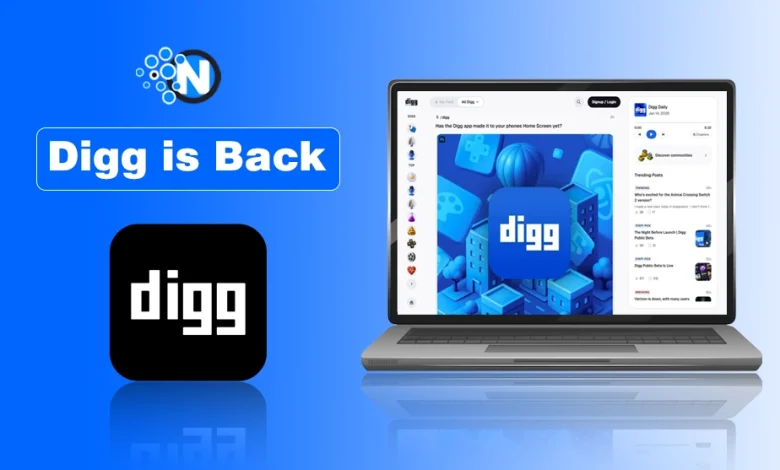
If you spent any time on the internet in the late 2000s, the name Digg probably hits with a wave of nostalgia. It was the place where stories went viral before “going viral” was even a thing. Then it disappeared, and Reddit took over.
Now, in 2026, Digg is back from the dead again, and this time it feels less like a reboot and more like a second chance at getting social communities right.
On Wednesday, Digg officially opened its public beta, letting anyone sign up and start browsing, posting, and creating their own communities. Behind the scenes is an unlikely reunion: Digg’s original founder, Kevin Rose, and Reddit co-founder Alexis Ohanian working together on the same platform.
Yes, the guy who helped replace Digg with Reddit is now helping bring Digg back.
What the New Digg Actually Feels Like
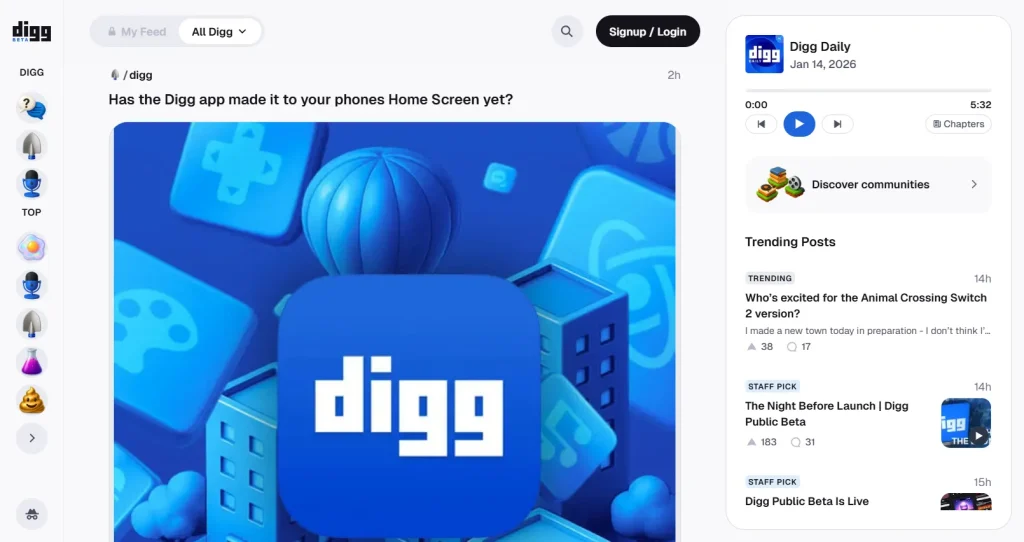
The first thing you notice when you open the new Digg is that it looks modern without feeling chaotic. There is a clean main feed, a sidebar where you can pin your favorite communities, and a strong focus on visual content.
It feels more like a thoughtfully designed social hub than a noisy link dump. The structure is familiar if you use Reddit. There are topic-based communities where people can post, comment, and upvote.
The difference is in the tone Digg is trying to set. Upvotes are called “diggs” again, which is a small touch but one that gives the platform its own personality.
Before going public, about 67,000 people were using Digg through invites. Now it is open to everyone, and you can create a community around almost any niche you can think of, from tech gadgets to obscure hobbies.
At launch, each community only has one manager, but Digg plans to expand that as the platform grows. Moderation logs are also public, so you can actually see what decisions are being made and why. That kind of transparency is something Reddit has never really nailed.
Digg’s Real Bet is Not on Posts; It is on Trust
Where Digg gets truly interesting is in how it wants to deal with the biggest problem facing social platforms today: bots, fake accounts, and AI-generated manipulation.
Kevin Rose is very clear that he does not want Digg to turn into a heavy-handed, “upload your ID” kind of platform. Instead, Digg is experimenting with what he calls “signals of trust.”
That means using subtle forms of verification that add up to credibility without exposing your identity. For example, if there is a community for people who own an Oura Ring, Digg could ask users to prove they actually own the device before posting.
That way, discussions stay authentic instead of being flooded by marketers, bots, or trolls. They are also looking at privacy-focused tools like zero-knowledge proofs, which can confirm something about you without revealing your personal data.
Even real-world signals, like attending a meetup in the same place as other Digg users, could become part of how trust is built. The goal is simple but ambitious: make it harder for fake people to dominate real conversations.
In an era where AI bots can post, comment, and argue better than humans, that might be Digg’s biggest selling point.
A Platform That Wants to Listen Instead of Dictating
Digg’s CEO Justin Mezzell describes the new platform as “building the plane while flying it,” and that actually shows in a good way. The team is small, which gives them a long runway, and they are shipping new features every week based on what the community asks for.
They have even brought in experienced Reddit moderators as advisers, which is a smart move. Anyone who has ever run a large online community knows how brutal that job can be. Digg says it wants to find a better, fairer way to support moderators, though the exact model is still being worked out.
One small but telling example of Digg listening is its AI-generated podcast. It was originally designed to summarize trending stories on the site, but users asked for something more human.
Now Digg is considering turning it into a real, human-hosted show instead. That might seem minor, but it shows the company is paying attention to what people actually want, not just what looks cool in a demo.
Why This Digg Comeback Feels Different
Digg has been “back” before, and none of those attempts really worked.
So why does this one feel more serious?
First, the timing is right. Social media is in a weird place. Reddit is huge, but many users feel burned by moderation drama, API changes, and a flood of low-quality or AI-generated content. X, Facebook, and other platforms are dealing with their own trust problems.
Second, the people behind Digg know exactly what went wrong the first time. Kevin Rose lived through Digg’s rise and collapse. Alexis Ohanian helped build Reddit into what Digg failed to become. Together, they understand both sides of that history.
And finally, Digg is not trying to beat Reddit by copying it. It is trying to fix what Reddit struggles with: trust, transparency, and real human communities in an age of bots.
How to Try Digg
The Digg public beta is now live. You can sign up at Digg.com, and the app is available on both iOS and Android. The rollout began on January 14, with full access opening up worldwide.
If you ever missed the feeling of discovering great content through real people instead of algorithms and spam, this version of Digg is worth a look.
It is not perfect. It is early. But for the first time in a long while, a Reddit rival feels like more than just a clone. It feels like an experiment in making the internet social again.
Source: Digg is Relaunched on TechCrunch